
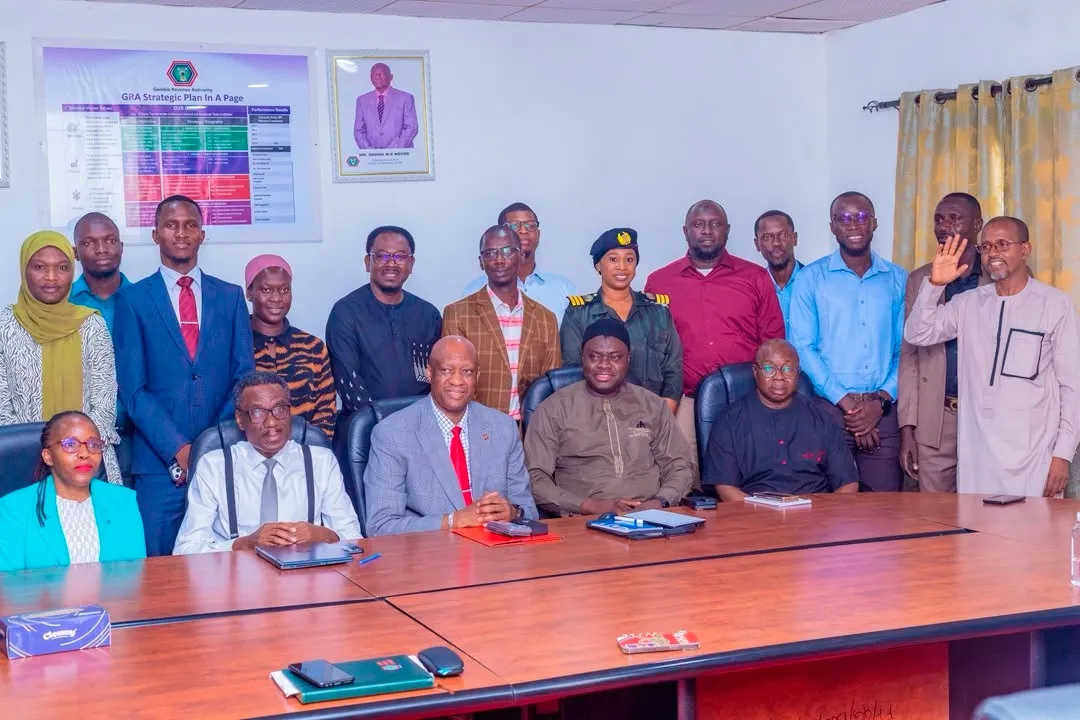
The Gambia Revenue Authority's ability to collect tax revenue is at risk due to weaknesses in its transfer pricing audits, prompting the launch of a technical assistance programme to strengthen its ability to identify and audit transfer pricing risks involving multinational companies and related-party transactions. The programme, supported by the African Tax Administration Forum and the World Bank, aims to provide tax officers with practical experience in conducting transfer pricing audits. According to GRA Commissioner General Yankuba Darboe, the initiative will bridge the gap between theoretical knowledge and practical experience, enabling tax officers to effectively conduct audits and protect tax revenue.
Darboe emphasized the importance of the programme, stating that the GRA's ability to mobilize revenue depends largely on the competence, professionalism, and technical capacity of its staff. The programme will cover transfer pricing risk assessment, case identification and selection, audit planning, transaction analysis, and the practical steps needed to conduct effective audits. Darboe described the programme as an important part of the GRA's broader strategy to strengthen domestic revenue mobilization, which is critical for the country's development.
The programme brings together GRA officers with experts from the African Tax Administration Forum, including Transfer Pricing Specialists Betty Ahwera and Robert Luvuuma, as well as a representative from the World Bank. Darboe highlighted the importance of partnerships with international organizations in specialized areas of taxation, noting that conventional academic and professional training must be complemented by practical experience from experts who have handled complex transfer pricing cases. The programme will also cover the country's transfer pricing legal and regulatory framework, including a review of draft Transfer Pricing Regulations shared by the African Tax Administration Forum and the World Bank.
Darboe warned that countries with limited technical capacity could lose significant tax revenue when weaknesses in tax administration go unchecked, emphasizing that stronger transfer pricing audits have become increasingly important as tax administrations face more sophisticated forms of tax non-compliance. He urged members of the Transfer Pricing Implementation Team to take full advantage of the practical training, engage with the experts, and develop a strong understanding of transfer pricing audits. The GRA expects the programme to improve its ability to identify and conduct transfer pricing audits, with the long-term goal of making transfer pricing audits an established part of its compliance programme.
The partnership with the African Tax Administration Forum and the World Bank aims to build sustainable institutional capacity within the GRA, enabling the authority to independently identify, investigate, and address transfer pricing risks. Darboe expressed hope that GRA officers would eventually develop the confidence and technical competence to conduct effective audits, protecting tax revenue and contributing to the country's development. The success of the programme will be critical in strengthening the GRA's ability to mobilize revenue and achieve its strategic objectives.