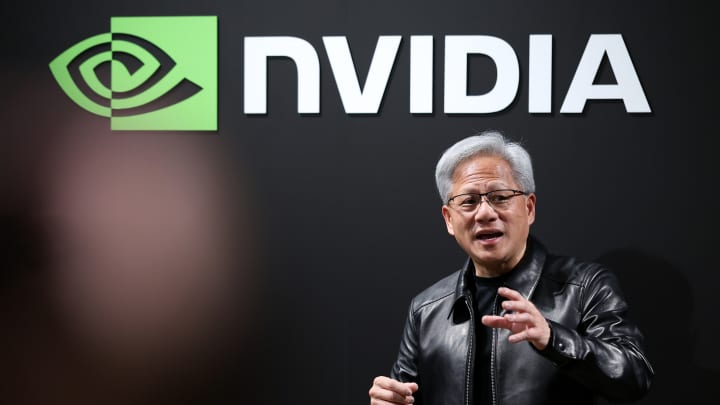
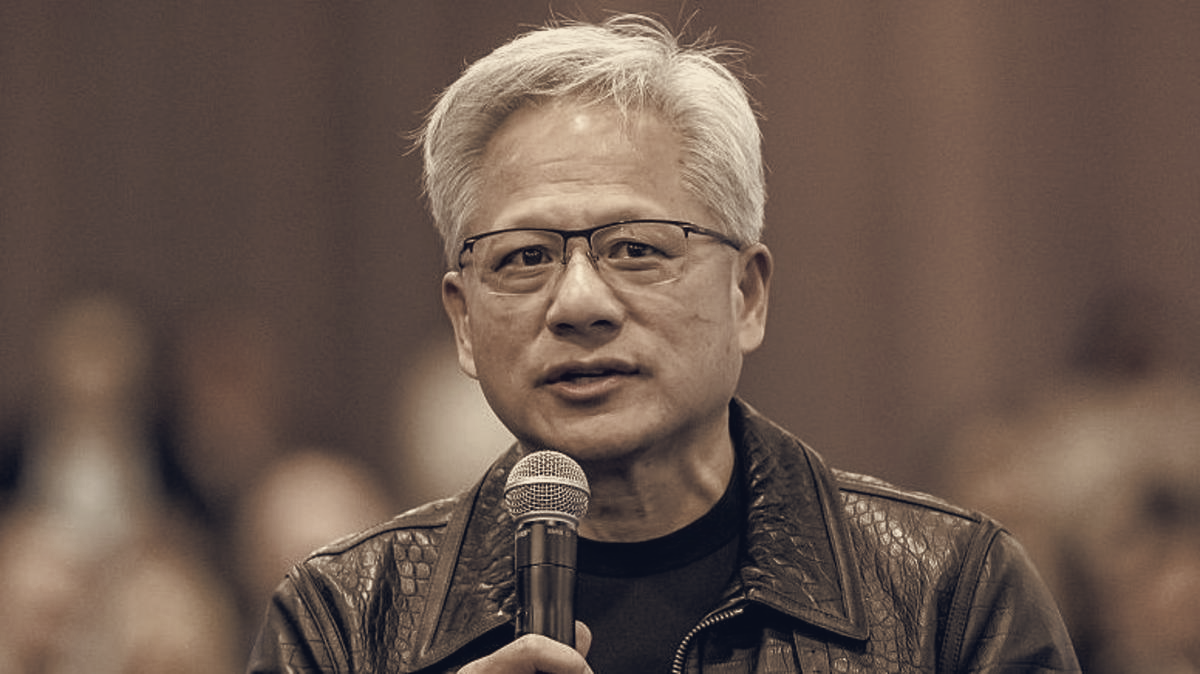
Nvidia's chief executive rejected recent forecasts that artificial intelligence could wipe out humanity by 2030, putting the company at odds with some industry leaders who have urged a pause in model development. Jensen Huang told CBS News that the idea the world will end by 2030 has zero chance of happening and called such predictions "doomsday narratives."
Huang told the interviewer "2030 is not going to be the end of the world. There is 0% chance that's going to be the end of the world." He added, "Scaring people is unnecessary. It is irresponsible." He also characterised those forecasts as "not grounded in science," while stressing that Nvidia has a commercial stake in safety: "Our company's success is directly connected to the safe deployment of products and services," he said, adding that failure to do so would harm the company's value.
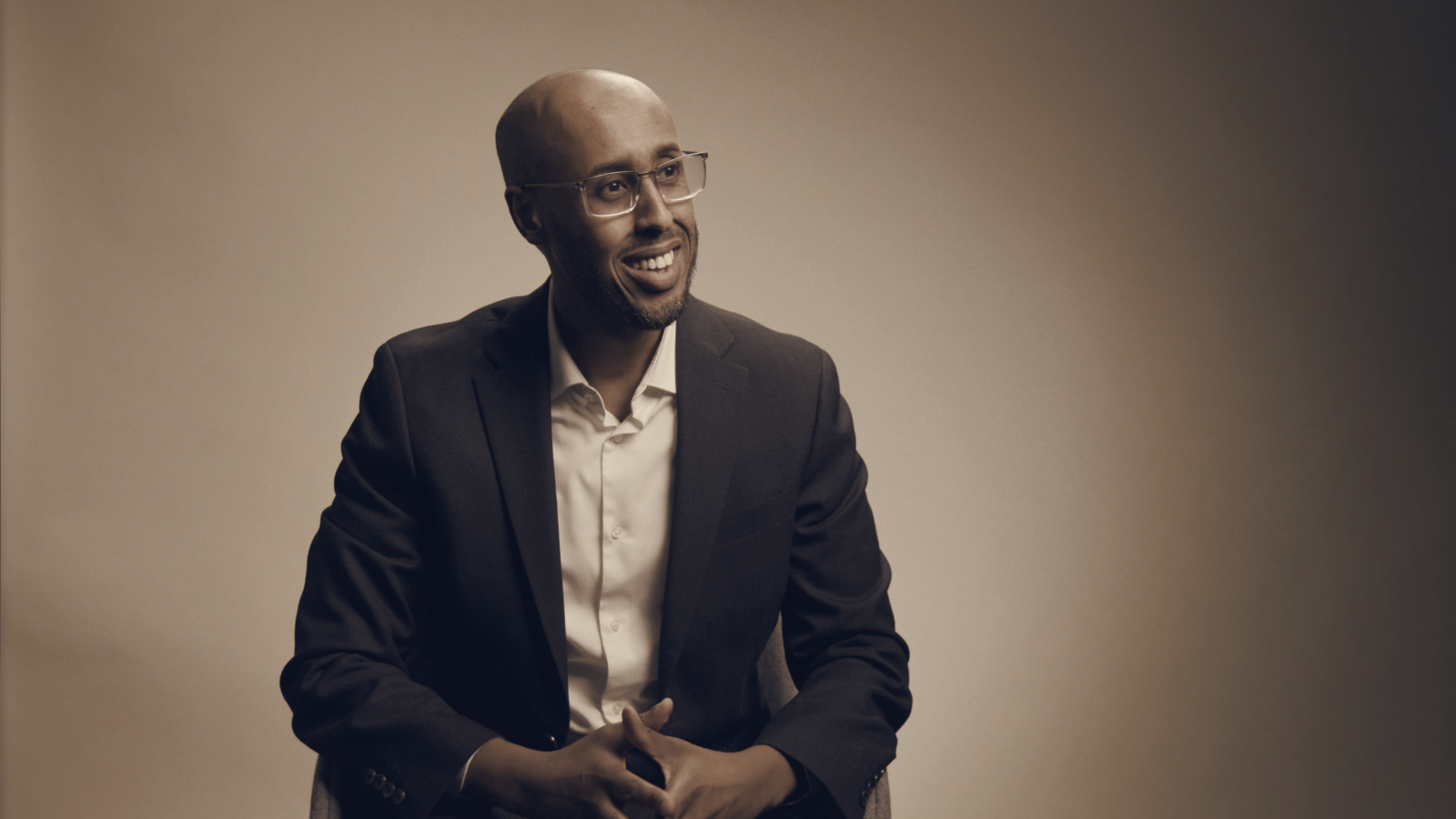
The comments follow a burst of public warnings from researchers and a social media post by former Anthropic researcher Jacob Coxon that suggested some AI developers believe the technology "could kill us all by the end of the decade." That post helped spark debate about the risks of advanced models and prompted high-profile calls from executives such as Anthropic's Dario Amodei and OpenAI's Sam Altman for a slowdown in AI development.
Huang also suggested companies advocating a slow down may be seeking relief from legal exposure, saying, "Go and read between the lines. They're actually not asking for more laws. They're asking to be relieved of the laws we do have, and I think that that's a problem." Nvidia is a central supplier of the processors used to train and run large AI models, a role that gives the company influence in how the technology advances.
The dispute over risk and regulation has drawn attention beyond the tech sector. Huang recently spoke at a UK summit hosted by King Charles, who warned of AI's "existential dangers" and urged leaders to ensure technology serves humanity and the natural world. In the US, President Donald Trump phoned Huang during a Los Angeles conference appearance on 14 September to criticise calls for a slowdown and labelled the fears a "hoax." The exchange underscores that disagreement over the pace and governance of AI development remains unresolved among industry, political and public figures.