
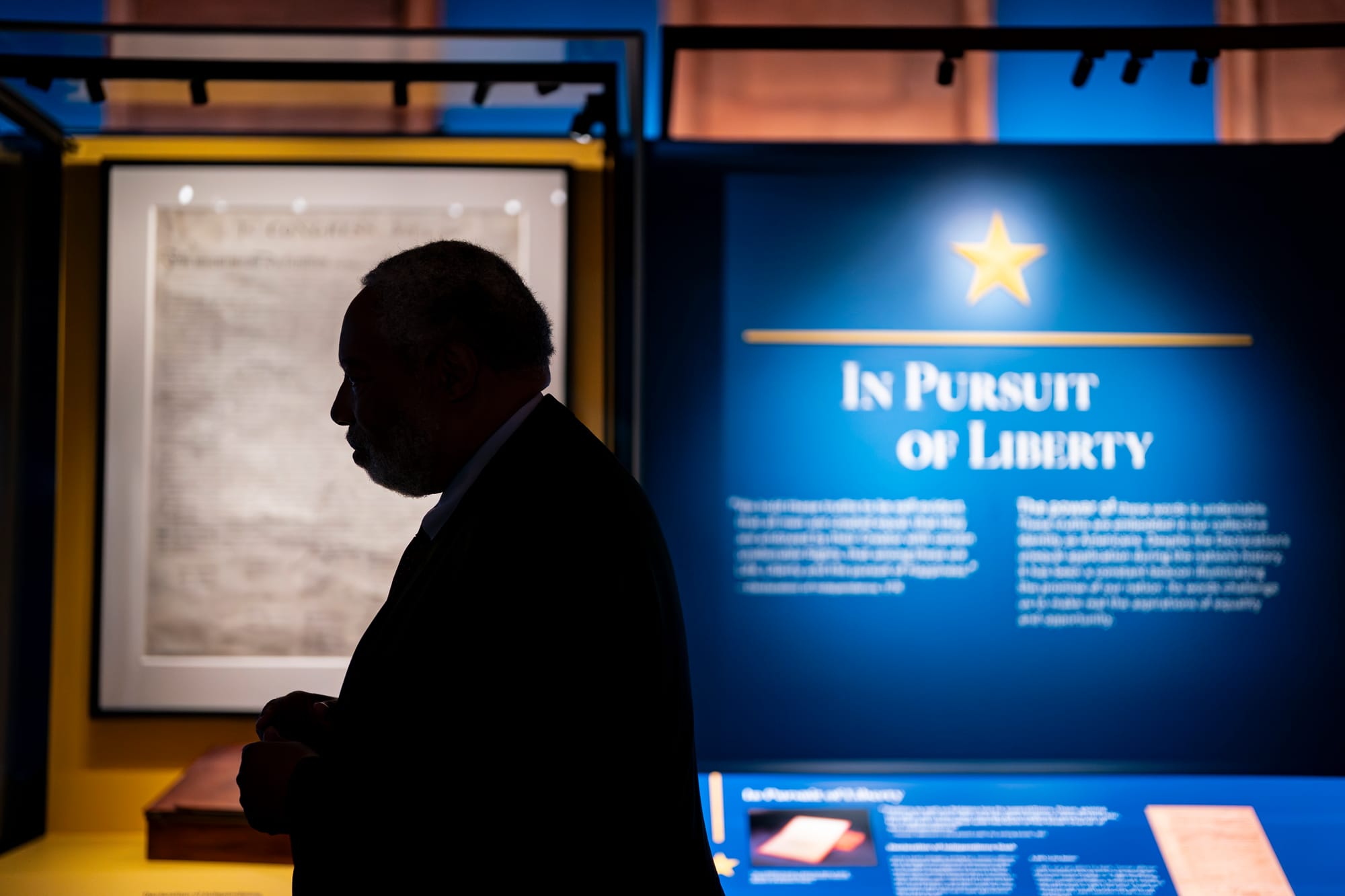
The Smithsonian will lose its secretary, Lonnie G. Bunch III, by the end of the year, a departure that spotlights growing political pressure on national cultural institutions over how American history is told. Bunch, who served across multiple roles in the Smithsonian system and founded the National Museum of African American History and Culture, announced plans to retire after years of confrontations with the Trump administration over contested historical narratives.
Bunch’s tenure at the Smithsonian began with his appointment in 2019 and included stewardship of some of the institution’s most visible and contested projects. Reporting notes he has often clashed with the administration as it pushed for revisions to public history, though Bunch told the Washington Post that pressure from the president did not determine his decision to step down.
The resignation arrives amid a broader struggle over who controls the story of the nation. The piece juxtaposes Bunch’s exit with the career path of Kevin D. Roberts, a scholar who in 2003 completed a dissertation on slavery and Black resistance in Louisiana and later surfaced as director of the Heritage Foundation in 2021. That unexpected move alarmed colleagues who had known Roberts in academia and illustrated how expertise in Black history can be deployed in opposite directions: to illuminate past injustices or to fuel political projects that seek to reshape public memory.
Bunch’s record, by contrast, is presented as one of rigorous scholarship turned outward, used to present critically informed histories to the public rather than to advance a partisan rewrite. His resignation does not erase the museum’s accomplishments under his leadership, but it underscores the intensity of the contest over museums and memory in Washington. Institutions that curate national history will face increased scrutiny and political pressure as they choose how to exhibit and explain contentious chapters of the past.
What happens next remains practical and symbolic. The Smithsonian will move to replace a leader who combined scholarly expertise with public-facing institution-building, and cultural custodians across the country will watch who is chosen to defend, or to recalibrate, the narratives that museums present to Americans.