
Barletta-Andria-Trani is presenting itself through hands-on food experiences, where dairies, fishermen and farm restaurants turn local produce into the main attraction for visitors.
The Story in Pictures
The province lays claim to burrata, born in the hills outside Andria when a farmer preserved cream and curd in a stretched-curd casing. Caseificio Olanda in Andria stages demonstrations and tastings, with Riccardo “Dino” Olanda guiding visitors through the process. He adds near-boiling water to curds, works them until a glossy, velvety mass forms and shapes mozzarella by hand. “See how it’s shiny?” he says. “Means it’s ready.” He then hollows a warm ball, fills it with cream and stracciatella and ties the top, producing the creamy centre that defines burrata.
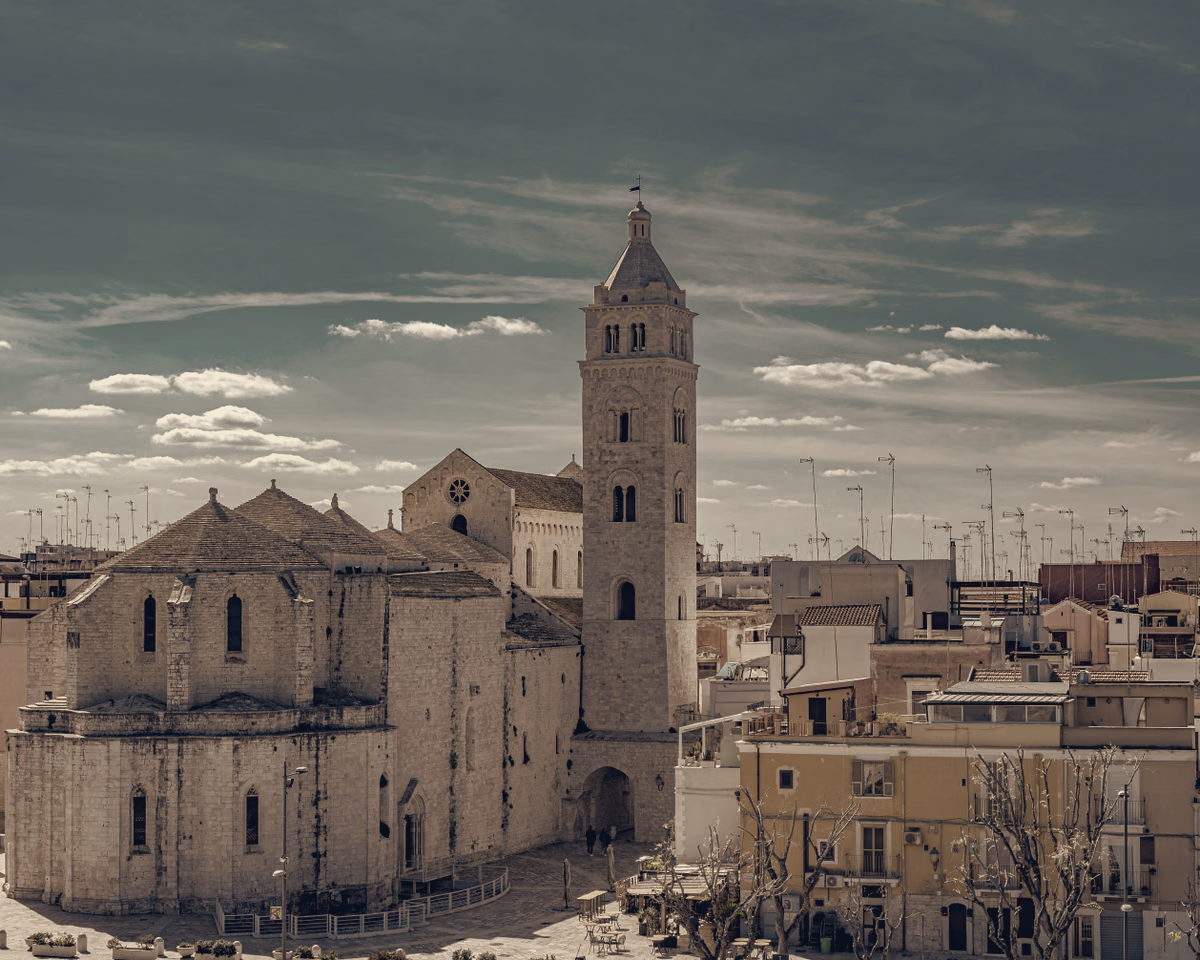
Outside the dairies, the province serves a broader culinary register. Barletta has long beaches, a Norman castle and a cathedral, but its bars and gelaterie on the sette strade animate evenings with local life rather than tourist frills. Trani’s harbour still handles early-morning landings, with fishers selling mullet, octopus, skate, sea snails, monkfish and palombo, the small shark that supplies restaurants and fishmongers.
Chefs and small producers supply the menus. At Portento in Barletta, Luigi Lacerenza sets antipasti with caprino goat’s cheese, grilled caciocavallo and small-batch salami before pizzas topped with sausage, olives, oyster mushrooms and yellow tomatoes, or aubergines with grated cacioricotta. In Cerignola, Rosario Didonna transformed his family deli into U’ Vulèsce, a wood-panelled restaurant that works with fishers and small farmers and stages nonne-led recipe demonstrations. After plates including goat prosciutto, bella di Cerignola olives and prawn tartare served in sea urchin shells, Didonna waves away praise: “I’m doing the best job in the world!”
On the Alta Murgia estate of Masseria Barbera, Nicola Barbera emphasises self-sufficiency. The 100-cover restaurant sources about 90% of what it needs from the farm, from olives and vines to wild greens plucked as “weeds.” “They’re eatable,” he says, using peppery rocket and wild chicory in sauces and preserves prepared on site.
Visitors seeking regional specificity will find producer-led encounters here: cheesemaking demos, fishermen’s markets and farm kitchens that foreground the ingredients. While parts of Puglia still draw more attention, Barletta-Andria-Trani offers a concentrated portfolio of cheeses, olive oil, yellow tomatoes and coastal catches organised around the people who make them, not staged attractions.