
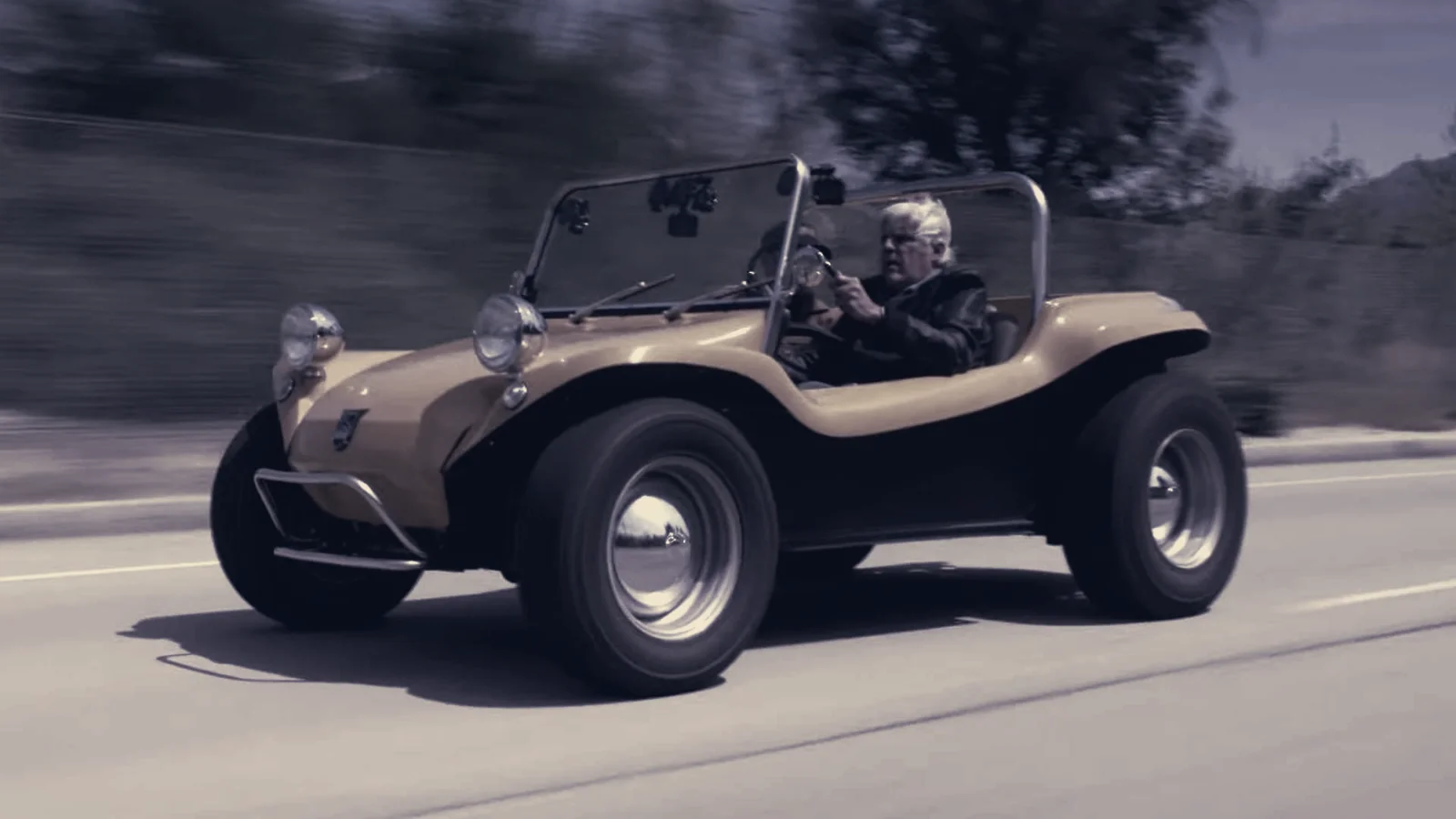
California will stop requiring routine smog inspections for a defined group of older collector cars on a staggered timetable that starts in January 2028, after Governor Gavin Newsom signed Senate Bill 1392 into law. The measure, widely known as Leno’s Law, expands exemptions each year so that by 2033 collector vehicles built before 1986 become eligible if they meet the bill’s conditions.
The rollout opens with model years before 1981 qualifying in 2028, then advances one model year annually through 2033 to cover cars produced up to 1985. Lawmakers framed the schedule as gradual, rather than immediate, giving owners and administrators time to adjust to the new eligibility window.
SB 1392 does not remove smog obligations for every older vehicle. Exemptions apply only to cars that are registered as collector vehicles or that are driven fewer than 1,000 miles in a year, so people who use an older car as a daily driver or who have not filed for collector status remain required to take emissions tests. Vehicles older than 1976 already avoid California’s routine smog checks, and pre-1998 diesel models continue to follow separate rules.
Industry groups praised the legislation. SEMA CEO Mike Spagnola said, "a historic win for California’s automotive community and for every family, enthusiast, and small business working to keep this culture alive." He added, "Leno’s Law shows that California can protect clean air while also showing the appropriate reverence for the vehicles that connect generations and tell an important part of our state’s story. We are grateful to Senators Cortese and Grove, Jay Leno, our member companies, and the thousands of advocates whose energy fueled this effort with an unrelenting passion for our shared automotive heritage."
Practical effects will be limited by the bill’s registration and mileage tests, so the exemption benefits a focused segment of collectors rather than changing emissions policy for older cars that remain in frequent use. Implementation will be procedural: the exemption expands one model year each January from 2028 through 2033, and owners who believe they qualify must ensure their registration category and mileage records satisfy the law’s requirements.
The law reduces compliance costs for eligible enthusiasts and small businesses while leaving the state’s broader approach to emissions for regularly driven older vehicles intact. State agencies, registration offices and owners will now prepare for the annual administrative adjustments the phase-in requires.