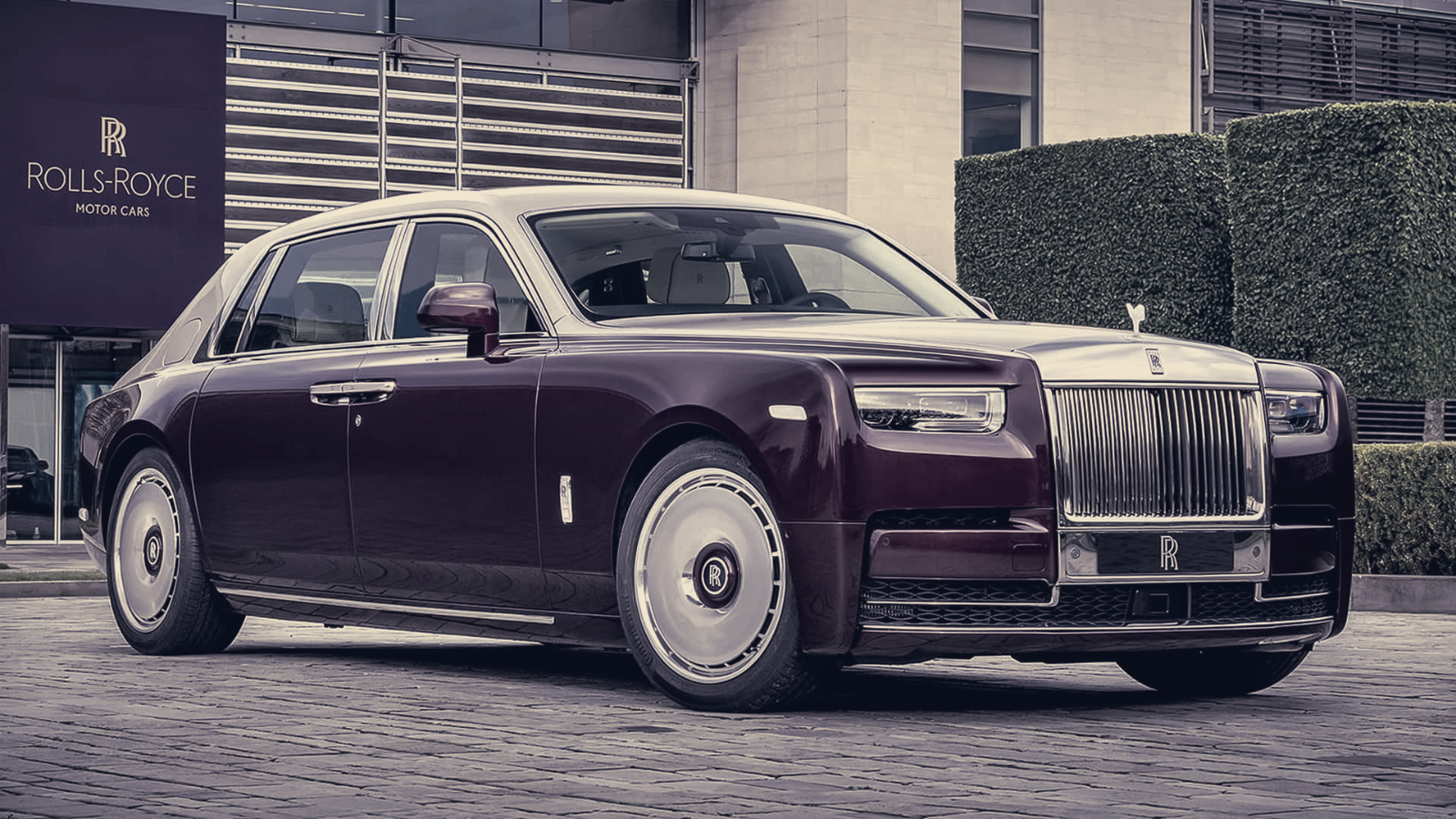
Rolls‑Royce has added abalone shell marquetry to its bespoke toolkit, after artisans spent nine months developing a method to cut and set the brittle, colour‑shifting shell for an interior. The technique debuted in the Phantom Hummingbird, a one‑off Extended Phantom commissioned through Private Office Dubai as a tribute to the owner’s wife.
Abalone behaves unlike wood veneer or mother‑of‑pearl, the company found, and required sustained experimentation before the final composition was installed. Once the development phase concluded, craftsmen assembled the completed marquetry in 45 hours. Each hummingbird motif built into the picnic tables and the Rear Waterfall panel uses 53 individual pieces of shell; a companion botanical design is formed from 84 pieces.
The car sits on the Extended Phantom body, measuring 235.5 inches from end to end with a 148.5‑inch wheelbase. Rolls‑Royce notes a standard Phantom Extended starts around $600,000, a figure that precedes the bespoke work on this commission. Outside, the Hummingbird wears a bi‑tone finish of Wildberry and White Sands and carries a hand‑painted hummingbird graphic that mirrors the interior marquetry.
Rolls‑Royce framed the design choice around the bird’s symbolism, saying a hummingbird is "a symbol of joy, resilience and the ability to find beauty in every moment." The marque has used single‑client commissions before to push its craft boundaries, most notably with Project Nightingale, and it treats these jobs as a way to prove techniques that would not pass a normal business case.
The Hummingbird therefore serves two purposes: a personal memorial for a client and a live laboratory for material science in a cabin. Abalone’s iridescence means no two shells shimmer the same way, which both supports the car’s one‑off status and creates practical limits on where the finish can be scaled. As bespoke customers continue to ask for rare natural effects, expect Rolls‑Royce to keep turning such commissions into working expertise at Goodwood.