
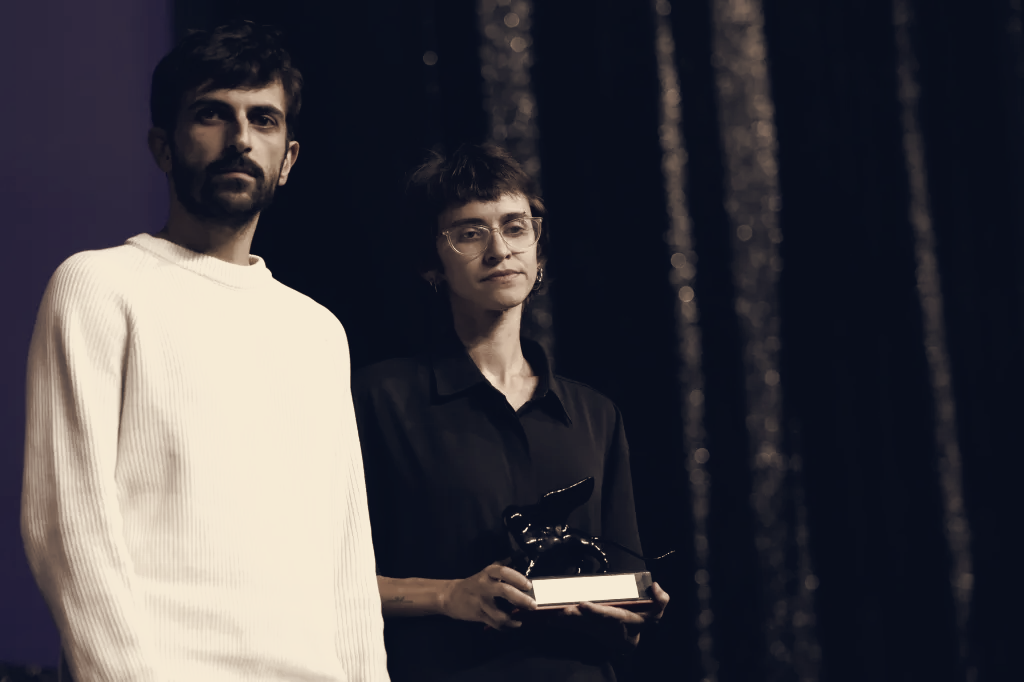
The immediate consequence is clear: the directors of NAZA now face political and institutional penalties that could limit their ability to work inside Israel. The documentary, which premiered at Venice, has drawn a sharp response from Israel's government and its cultural funding body. Prime Minister Benjamin Netanyahu called the film "global antisemitic incitement," and officials have signalled they may move against one of the film's makers, Yuval Abraham, including by questioning his Israeli citizenship.
NAZA, directed by Yuval Abraham and Rachel Szor, examines a program its filmmakers say caused catastrophic damage to residential areas in Gaza. The project’s title refers to a Hebrew acronym for collateral damage, and much of the production was shot on Tel Aviv rooftops at night to minimise the risk of eavesdropping and to protect contributors. Abraham appears on camera, as he did in the Oscar-winning No Other Land, and the film’s allegations have already provoked an institutional backlash.
The Israeli Film Council announced it will remove festivals from the criteria it uses to calculate film-fund budgets and publicly criticised Venice for programming NAZA. That move changes how international premieres translate into domestic funding, effectively reducing the influence festival exposure can have on state support. With Israeli elections pending, the combination of political denunciation and funding rule changes raises the prospect that this controversy will be used as a lever in the broader domestic debate, and that critical filmmakers will face heightened scrutiny.
The NAZA dispute coincides with other international film developments. France selected Minotaur as its submission for Best International Feature Film, choosing the Russia-themed drama from Andrey Zvyagintsev over the big-budget De Gaulle: Résistance. France has now selected a non-French-language film for the second consecutive year, a decision industry observers described as tactical, favouring an auteur with recent Cannes acclaim and Oscar credentials. Spain named the Netflix-acquired musical drama La Bola Negra as its contender, a film widely considered the frontrunner in the category.
Separately, distributors announced the international launch of Diana Unheard, a documentary built around secret 1991 audio recordings of Princess Diana, timed for MIPCOM Cannes as a row between Earl Spencer and the UK throne’s current incumbent unfolded. Together, these stories map a moment when festival platforms, national politics and distributor strategy are reshaping which films gain protection, backing and international visibility.
What happens next depends on political decisions in Israel and on whether the Film Council formalises its funding rule changes. If authorities pursue citizenship challenges or further funding penalties, the repercussions for Israeli documentary-makers will be immediate; if not, the episode may still chill contentious work at a moment of heightened domestic sensitivity.