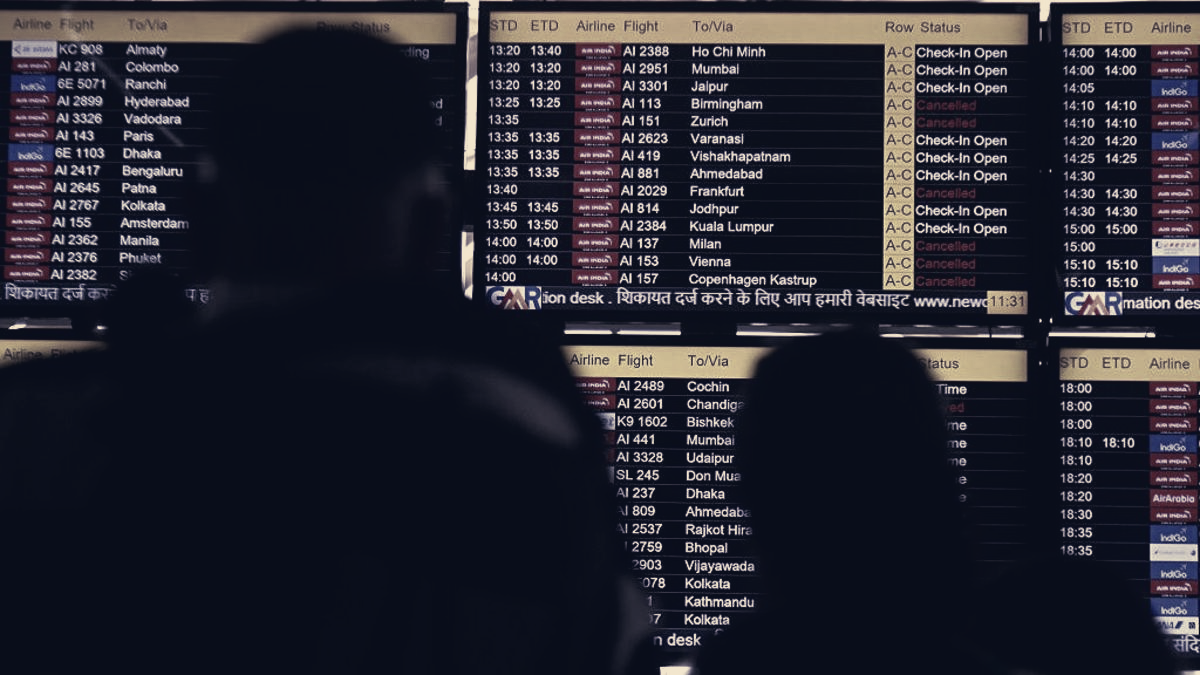

Passengers and airlines lost travel certainty after Nats discovered a software defect that corrupted the data used to manage UK airspace, forcing more than 2,000 cancellations and widespread delays. Major hubs including Heathrow, Gatwick, Luton and Glasgow reported heavy disruption as flights were pulled and schedules adjusted. The immediate effect left aircraft and crews out of position, and the knock-on disruption took days to clear.
Nats said the fault occurred, "in the space of a millisecond", and injected corrupted information into the system it uses to underpin traffic management. The operator published an initial external report and issued a repeated apology to those affected. The incident forced airlines to rebook passengers, reposition crews and reroute aircraft, and some travellers reported sleeping on airport floors or becoming stranded abroad.
Transport Secretary Heidi Alexander described the disruption as "completely unacceptable" and "frustrating" for passengers, airlines and airports, and said a Civil Aviation Authority review is under way. The government has ruled out a cyber attack as the cause, and the Ministry of Defence denied suggestions that a military aircraft was to blame.
Nats chief executive Martin Rolfe apologised directly. "I would like to apologise again, very sincerely, to everyone who was affected last week. It's our job to get people where they want to go, quickly and without delay and we are devastated when that goes wrong. However, our primary role is to keep our skies safe, and everyone who flies through them. At no point last week was safety in question," he said.
Passengers face limited prospects for compensation because the regulator regards the disruption as extraordinary circumstances, a classification that restricts airline liability. The CAA review will examine what failed and whether changes to oversight or technical safeguards are required to prevent a similar collapse of data integrity.
The episode has raised immediate questions about Nats' resilience and drawn scrutiny from carriers over the leadership team's position. The CAA's findings, and any subsequent regulatory recommendations, will set the timetable for reforms and determine whether operational or governance changes follow.