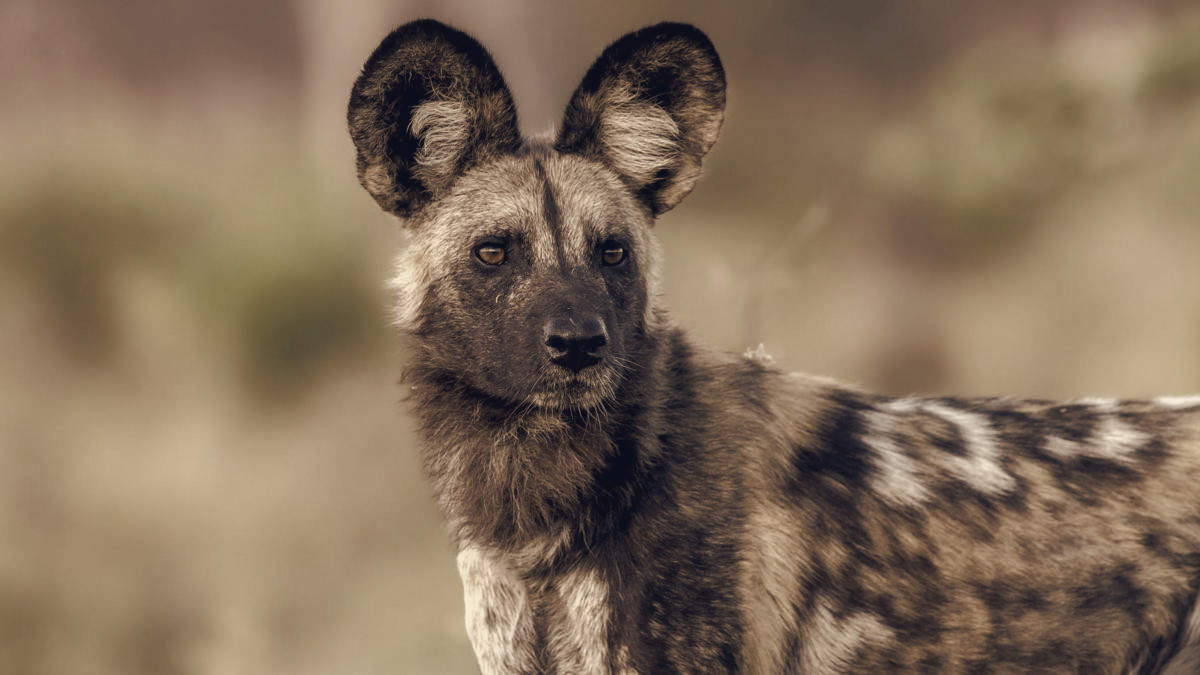
If wild dog populations across eastern and southern Africa can still be reached by individuals moving thousands of miles, conservation priorities must shift from isolated parks to landscape-scale connections. Researchers documented three male African wild dogs fitted with GPS collars travel a one-way route of 2,485 miles (4,000km) across Zambia. Their route covered roughly 260 miles in a straight line over eight months, but the animals' zigzagging around towns, roads and industry added up to nearly ten times that ground distance.
The trek is the longest recorded dispersal for any African terrestrial mammal seeking a mate, the paper reports. The collared dogs navigated between known wildlife strongholds while avoiding major human obstacles including Lusaka and heavily developed industrial zones, a pattern the authors say supports the idea that, aside from fenced populations, wild dog groups can still be linked by rare long-range movements.
That connectivity depends on survival in hostile landscapes. Other collared wild dogs died after being caught in illegal snares, and a separate trio of females almost completed a comparable journey before one was trapped. Researchers also recorded animals repeatedly returning to a single location, a behaviour commonly associated with the loss of a companion.
African wild dogs number about 6,000 in the wild. They live in tight social packs and young adults, who cannot breed within their natal groups, typically disperse at around two or three years old to challenge for breeding positions or to find mates elsewhere. Those life-history traits make successful long-distance dispersal essential for gene flow and demographic rescue between fragmented strongholds.
The study’s authors argue for conservation beyond fenced reserves, calling for strips of natural habitat outside protected areas to link fragmented populations and allow wide-ranging species such as wild dogs and elephants to move between strongholds. Bruce Ellender, Kafue Conservation director for The Nature Conservancy and a co-author, said, "We can't see these protected areas as islands and expect them to be functional in the long term, we need to think much broader than that." Lead author Professor Scott Creel of Montana State University added, "It's plausible to believe that every major wild dog population in eastern and southern Africa, other than fenced ones, are potentially connected," and, "the glass is half empty and the glass is half full."
The research appears in the journal Ecology and highlights both the species' ability to accomplish extraordinary long-range movements and the persistent dangers posed by human activity. For context, Africa's best-known seasonal movement, wildebeest migrations between Tanzania and Kenya, exceed 400 miles, while caribou can make single round trips of 839 miles and grey wolves have been recorded travelling more than 4,350 miles in a year. The findings focus where policymakers and conservationists should place corridors, monitoring and anti-poaching measures to preserve the last wide-ranging predator populations.