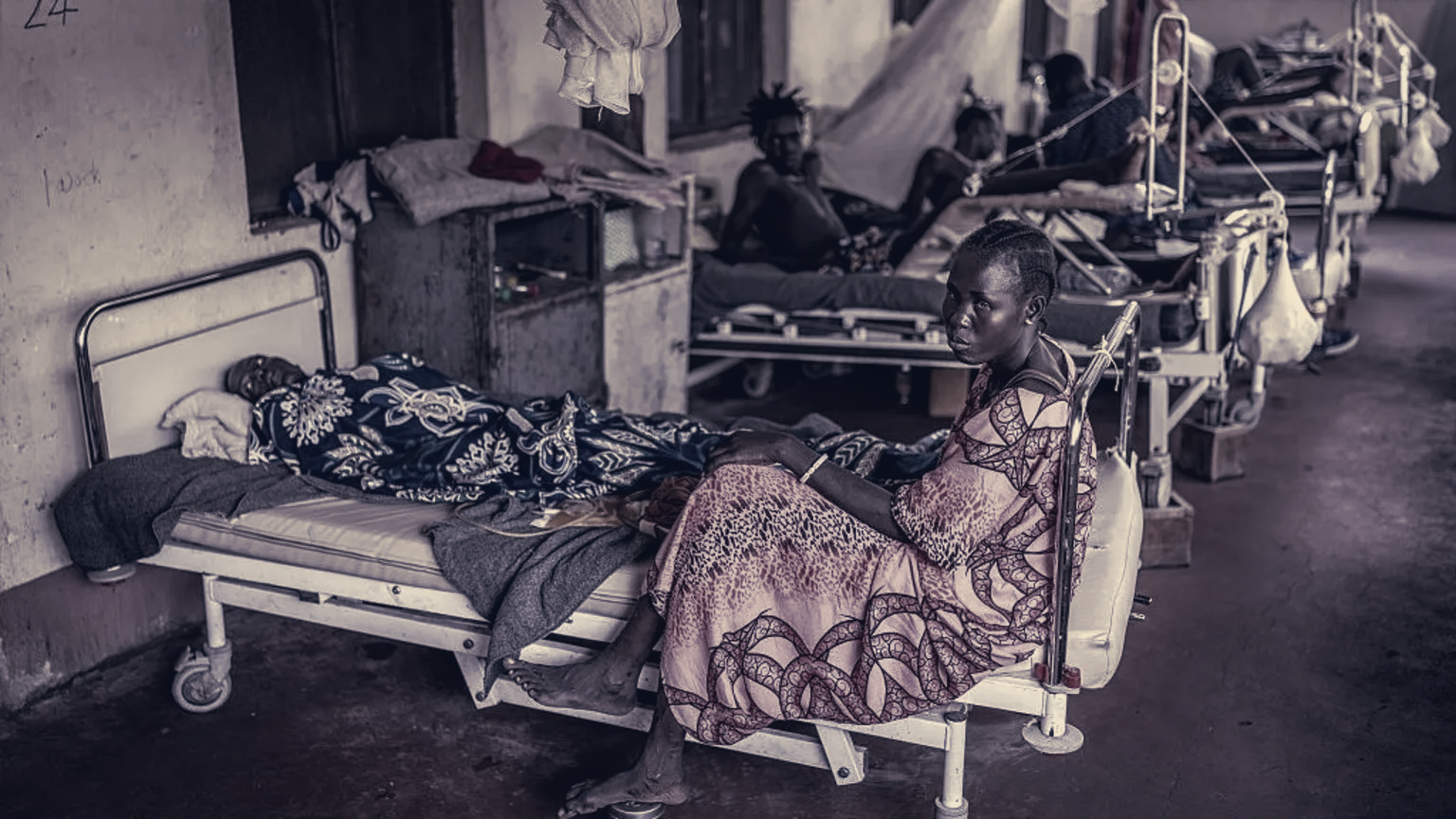

Millions of people in Sudan now face sharply reduced access to medical care after a pullback in international funding, Médecins Sans Frontières warned, a change that has already closed clinics and pushed patients onto a smaller number of overstretched hospitals.
MSF traces the squeeze in part to the end of US-backed grants, following the cessation of USAID operations in Sudan last year, which left many organisations’ funding to expire in June. European governments have also been reducing assistance, and the Paris-based OECD recorded a 21.3% fall in international aid in 2025 compared with the year before.
The charity says those funding shifts have translated into service contractions on the ground. Dozens of clinics have shut, MSF reported, and where the organisation still runs facilities patient loads are growing. Between January and April 2026, admissions in MSF-supported centres in central Darfur were 22.5% higher than in the same period the previous year. In May, 45 healthcare centres there stopped receiving funding.
"War is driving Sudan's needs; funding cuts are shrinking the response," said Muhammad Ibrahim, head of MSF's work in Sudan. The combination of reduced aid and continued violence is creating gaps in treatment for complex cases and acute shortages of medicines, MSF said.
Closures are concentrated in displacement sites. In Gedaref state's Tanedba camp, which hosts 18,400 displaced people, a humanitarian group withdrew in June and the camp’s maternity and surgical wards closed. MSF is operating an emergency room, but pregnant women who require surgery now must travel three hours to the nearest city. At Um Rakuba camp, which hosts about 17,000 people, the number of aid agencies has fallen from 35 in 2021 to fewer than 10.
"After a longer and more expensive journey, patients often arrive in a much more serious condition, and the hospital may already be full," said Sebastián Traficante, MSF's emergency coordinator in western Darfur, describing how distance and crowding worsen outcomes.
MSF also flagged the broader security context. In 2025, 1,620 people were killed in assaults on medical facilities in Sudan, accounting for 82% of global deaths from attacks on healthcare that year. The UN estimates more than 19.5 million people face crisis-level food insecurity, with over five million at emergency levels of hunger.
With the UN General Assembly convening world leaders in New York, MSF has called for renewed funding to prevent more closures and reduce the risk that patients will arrive too late for care. "If support does not increase, more patients will face longer journeys, fewer treatment options and greater risk of arriving too late for care," said Liz Harding, MSF's UK humanitarian representative.
MSF’s appeal frames the UN meeting as a near-term chance to reverse recent funding losses. Unless donor commitments change, the organisation warns, continued closures and stretched hospitals will leave large swathes of Sudanese populations without timely access to lifesaving services.