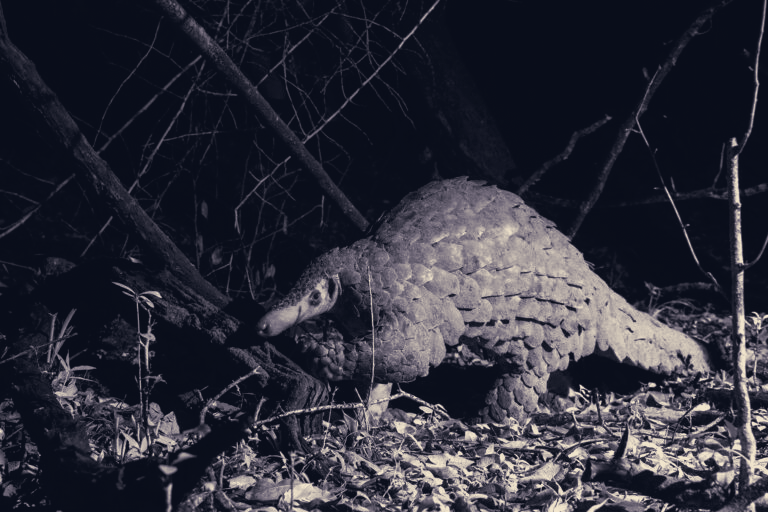
Researchers from The Pangolin Project began monitoring Naserian in 2025 and recorded roughly two years of movements as she traveled each night out of Nyekweri and across a shifting mix of woodland, farms and grazing lands on the western edge of Maasai Mara National Reserve. The team followed her progress on computer screens at an outpost near the reserve by tracking a GPS signal attached to the animal.
One night the signal stopped. When the research team visited the location they found Naserian dead under a charged fence. After years of navigating a landscape where private parcels, agricultural fields and remaining forest intersect, a single electrified wire ended her life.
Field records show the Nyekweri area is seeing repeated losses. Since 2022 researchers have logged 15 deaths in the locality, 14 of them from electrocution on electric fences. Those figures matter because Kenya’s population of giant ground pangolins is extremely small, with fewer than 30 believed to remain in the country. With such low numbers, each death has an outsized impact on the species’ prospects in Kenya.
Giant ground pangolins, Smutsia gigantea, are already endangered across their fragmented range in Western and Central Africa. They occur naturally at low densities and typically produce only a single offspring, traits that limit the pace at which local populations can recover from losses.