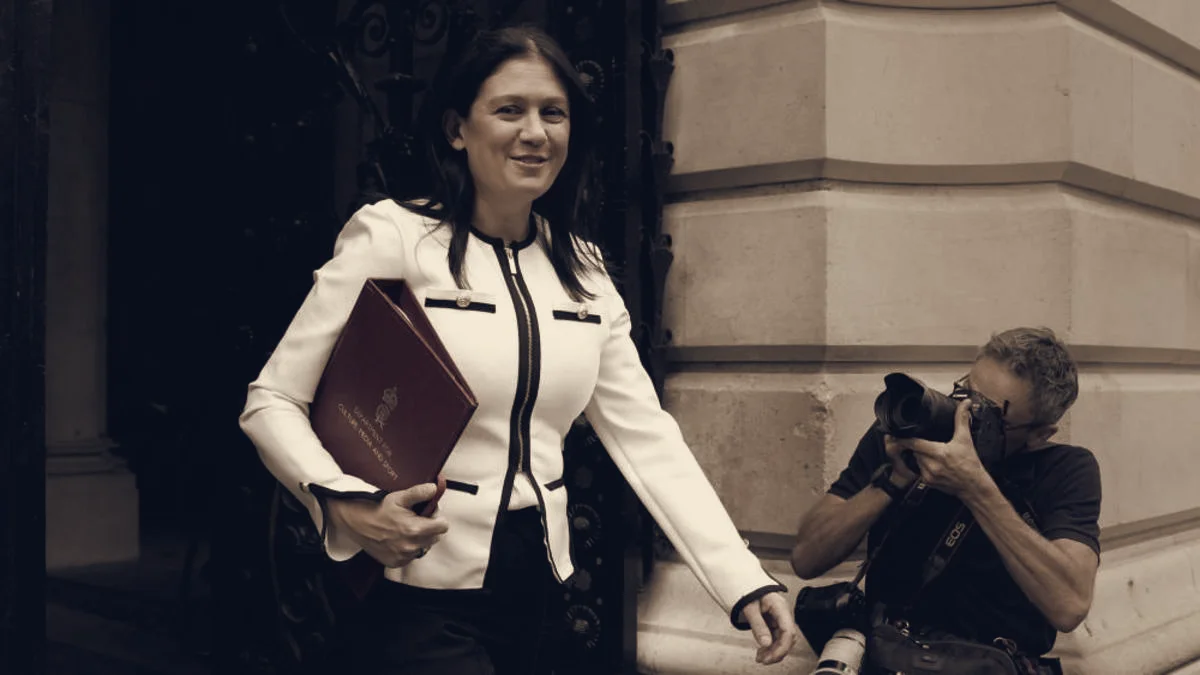
The government will move to make publishing people’s home addresses online a criminal offence, Culture Secretary Lisa Nandy said, after lifeboat volunteers involved in Channel rescues had their personal details posted on social media.
Nandy told broadcasters she intended to "tighten up the law" because current rules only criminalise doxxing when there is clear intent to cause fear, harm or distress. She said the change would make it explicit that posting someone’s address is an offence and that authorities must act quickly when it happens.
The pledge followed a rise in online and physical abuse directed at volunteers who helped in recent migrant crossing incidents. Viral social posts circulated that identified people allegedly involved in rescue operations, in some cases naming crew members incorrectly and urging followers to target their families. The RNLI has stressed that only 109 of its 9,058 lifeboat launches last year were for people "in distress in the Channel", representing 1.2% of its rescue work, and said around 95% of small boats were intercepted by the UK Border Force.
Nandy convened a meeting with major social platforms to press for faster removal of doxxing material, but said she found inconsistent approaches across firms. She quoted TikTok as committing to automatically remove such posts, and said Meta told her it would not do so automatically. The Culture Secretary criticised X for failing to attend the meeting, saying the platform’s absence showed "real contempt for people’s safety and security and their obligations to society" and calling X "a disgrace".
A source close to Meta told officials the company removes content that shares, offers or solicits personally identifiable information that could lead to physical harm. At present, prosecutors can treat doxxing under offences such as malicious communications if a victim is threatened or harassed.
Nandy also urged faster enforcement of the Online Safety Act, describing progress as "incredibly slow". Ofcom disputed the description, saying it has issued £7m of fines to 11 providers since the Act came into force, and that some penalties have been paid while work continues to recover unpaid fines.
Ministers have signalled they will push both for changes in criminal law and for regulators and platforms to act more swiftly. The next steps are likely to include drafting amendments to the statutes that cover doxxing and further meetings with social media companies and regulators to agree enforcement timetables.