
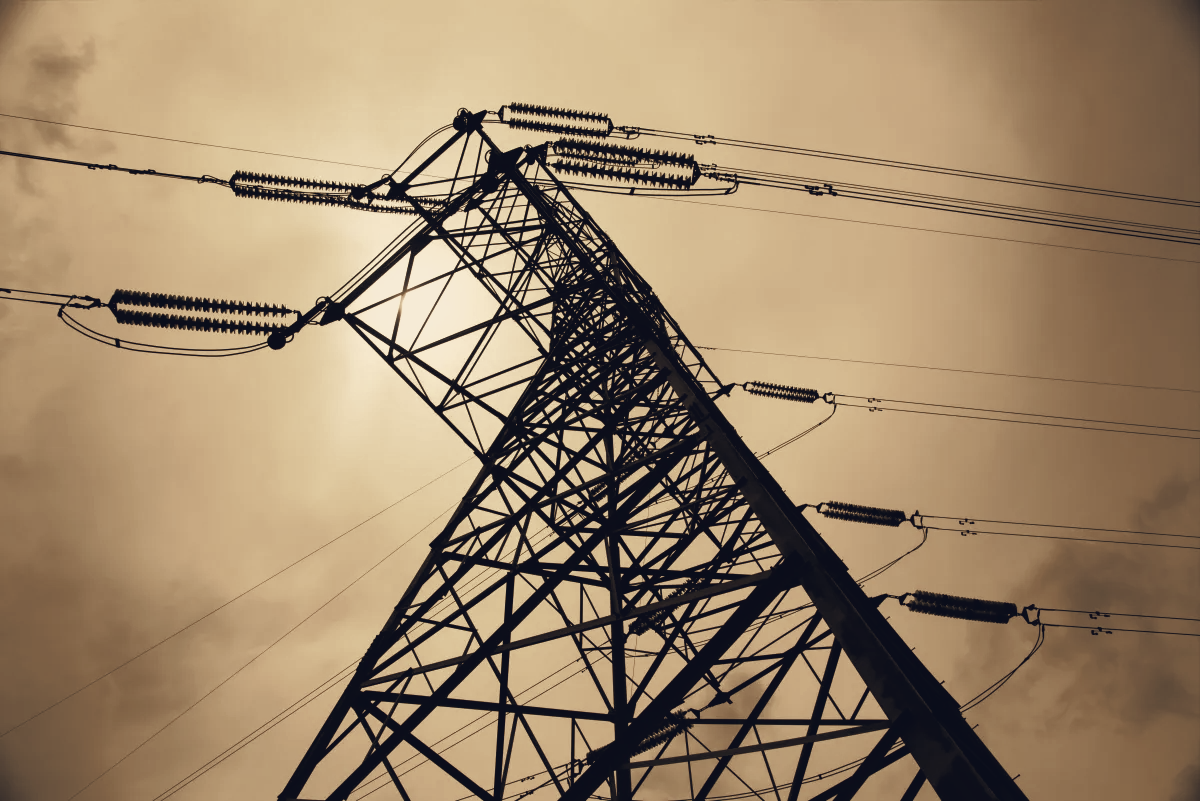
Data center operators could gain access to as much as 100 gigawatts of new grid capacity if a new industry coalition succeeds in making demand response a standard part of facility development. Emerald AI has launched the AI Energy Management Alliance, or AEMA, to coordinate utilities and hyperscale compute sites so operators can temporarily reduce or shift workloads when the grid is strained.
Demand response is a long-standing utility tool that trims peak consumption by asking large customers to pause or curtail usage in tight hours. Historically that role fell to factories or to generators at data centers, which often switch on backup power to avoid outages. Emerald AI’s platform instead links utilities directly to data centers and orchestrates pauses of noncritical tasks or reroutes compute to locations with spare headroom, aiming for a fast, predictable response that functions like a virtual battery.
The founding members named in the launch include Google, Nvidia and Anthropic, alongside utilities AES, Constellation, National Grid and NRG Energy. AEMA says the approach could allow roughly 100 GW of additional data center connections. Independent analysis cited in industry coverage last year suggested that capping peak site use at around 90% for brief periods might free about 76 GW of capacity.
Other players are developing related capabilities: Google has built internal tools and companies such as Enel X offer ways for data centers to use uninterruptible power supplies to shave peaks. Emerald AI’s recent $150 million Series A, led by Energize Capital and DCVC, gives the startup capital to broaden deployments and integrate with utility systems at scale.
Emerald AI’s chief scientist, Ayse Coskun, cautions that the technology will reduce the sector’s near-term need for new generation but will not remove that need entirely. The coalition also plans to help utilities and cloud providers identify new sites for facilities, addressing a longstanding bottleneck in locating data center projects.
AEMA’s formation signals a pragmatic industry push to treat compute as a flexible resource rather than an inflexible demand source. The effort could defer some grid investment and speed new builds, but it is not a comprehensive fix for rising electricity needs tied to AI and other high-performance computing growth.