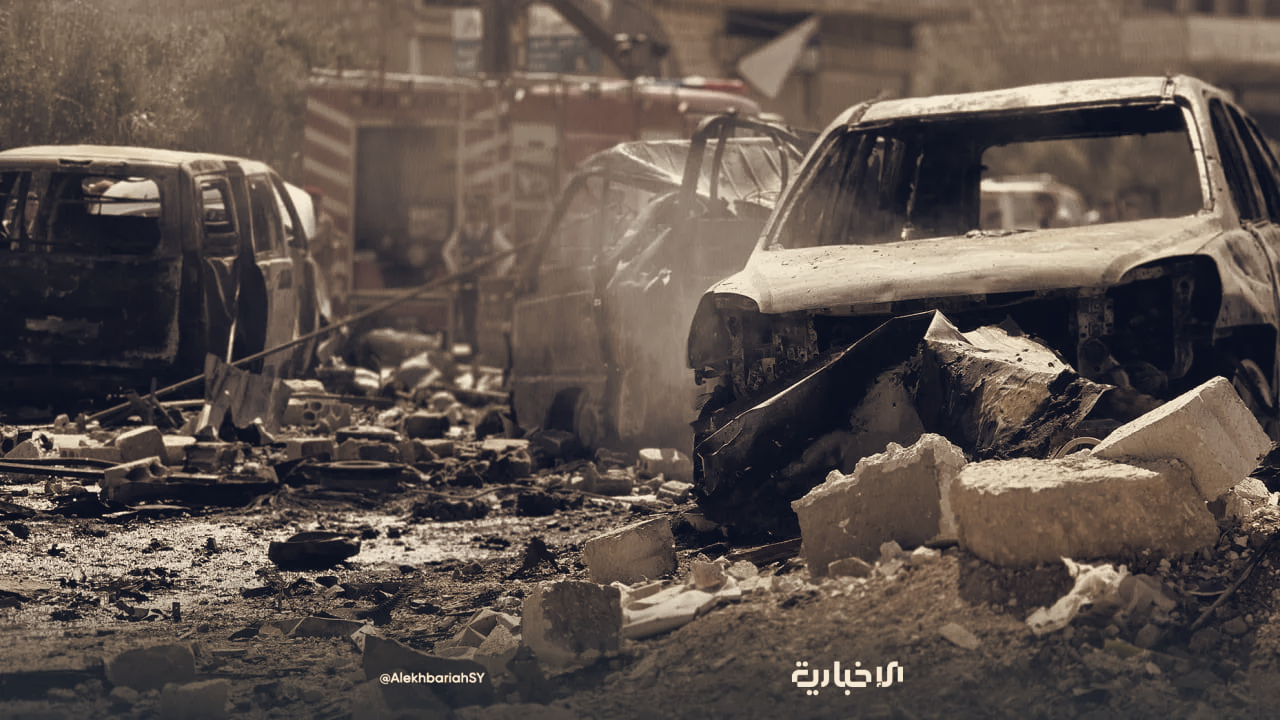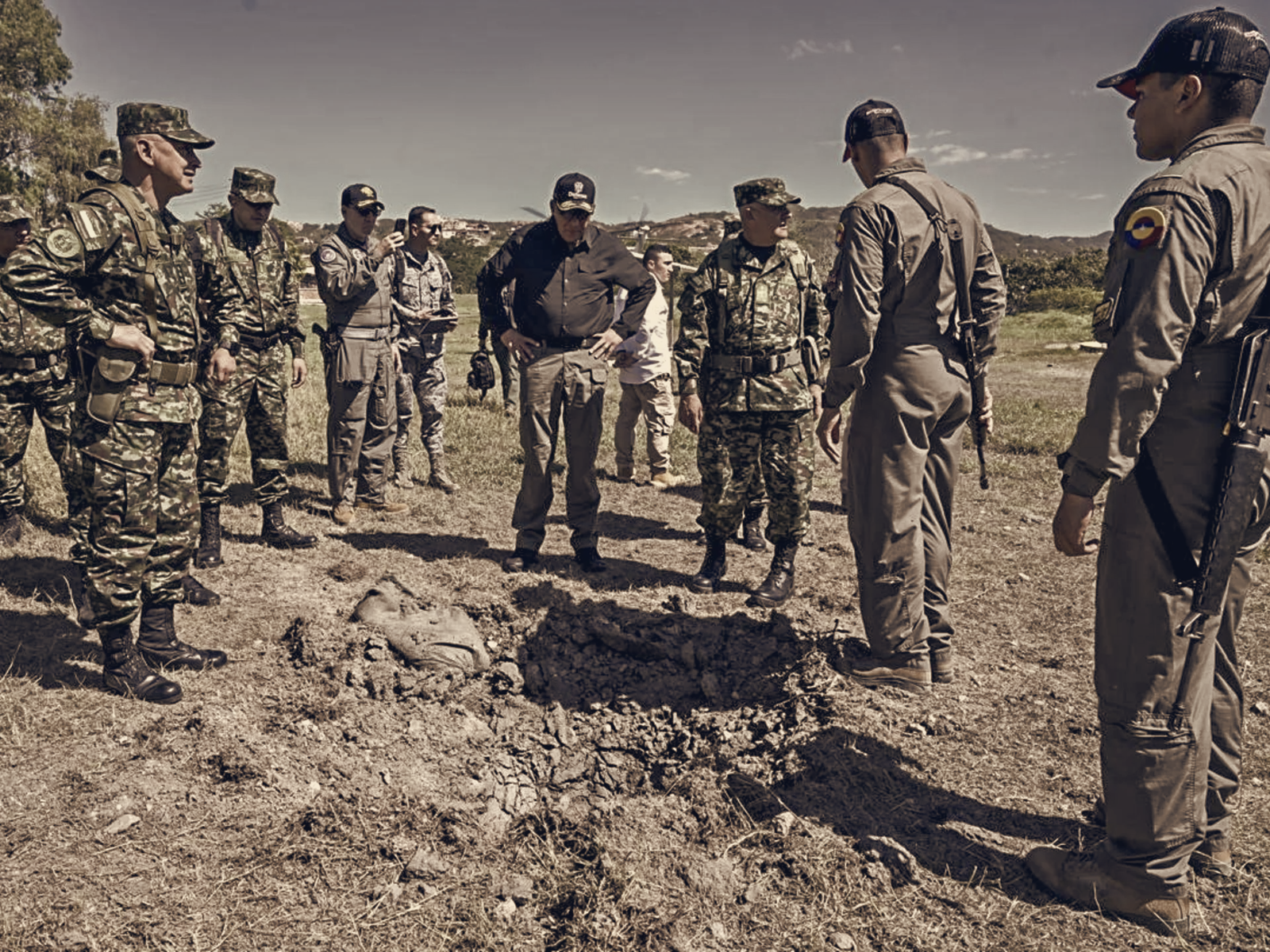

Colombia's security forces face immediate pressure after three soldiers were killed when ELN fighters used explosive-laden drones to strike a garrison in Ocana, Norte de Santander, near the Venezuelan border. The army said the assault took place the previous night inside the municipality, where fighting spread across the compound after explosives were dropped from unmanned aircraft.
Two service members died during exchanges of fire at the facility, the army said, and a third died after receiving medical treatment. Four other personnel were wounded. Military officials said the attack involved drones dropping explosives onto the perimeter before ground clashes escalated, and an unnamed security official reported at least 20 drones loaded with explosives were used in the operation.
President Abelardo de la Espriella condemned the assault and promised a forceful response. "To the ELN I say with absolute clarity: for every police officer or soldier you kill, I will bring down on you the full weight and legitimate force of the State," he wrote in a statement on social media. His words underline a return to a confrontational security posture after his campaign pledge to prioritise militarised action against insurgents and criminal networks.
The attack occurred in the Catatumbo region, a long-standing ELN base where authorities have mounted repeated raids. Deadly incidents have continued since de la Espriella took office, and critics warned his approach could drive a rise in violence and produce rights concerns. The president has also pledged closer security ties with the United States, while Washington advances an initiative called "Shield of the Americas" that seeks to expand regional military cooperation.
US Secretary of State Marco Rubio is scheduled to meet de la Espriella next week in Barranquilla, a diplomatic exchange that now carries a sharper security focus. The use of multiple explosive-laden drones marks a tactical escalation by armed groups and places immediate operational and political pressure on Bogotá to respond, setting the stage for intensified counteroperations and closer coordination with international partners.