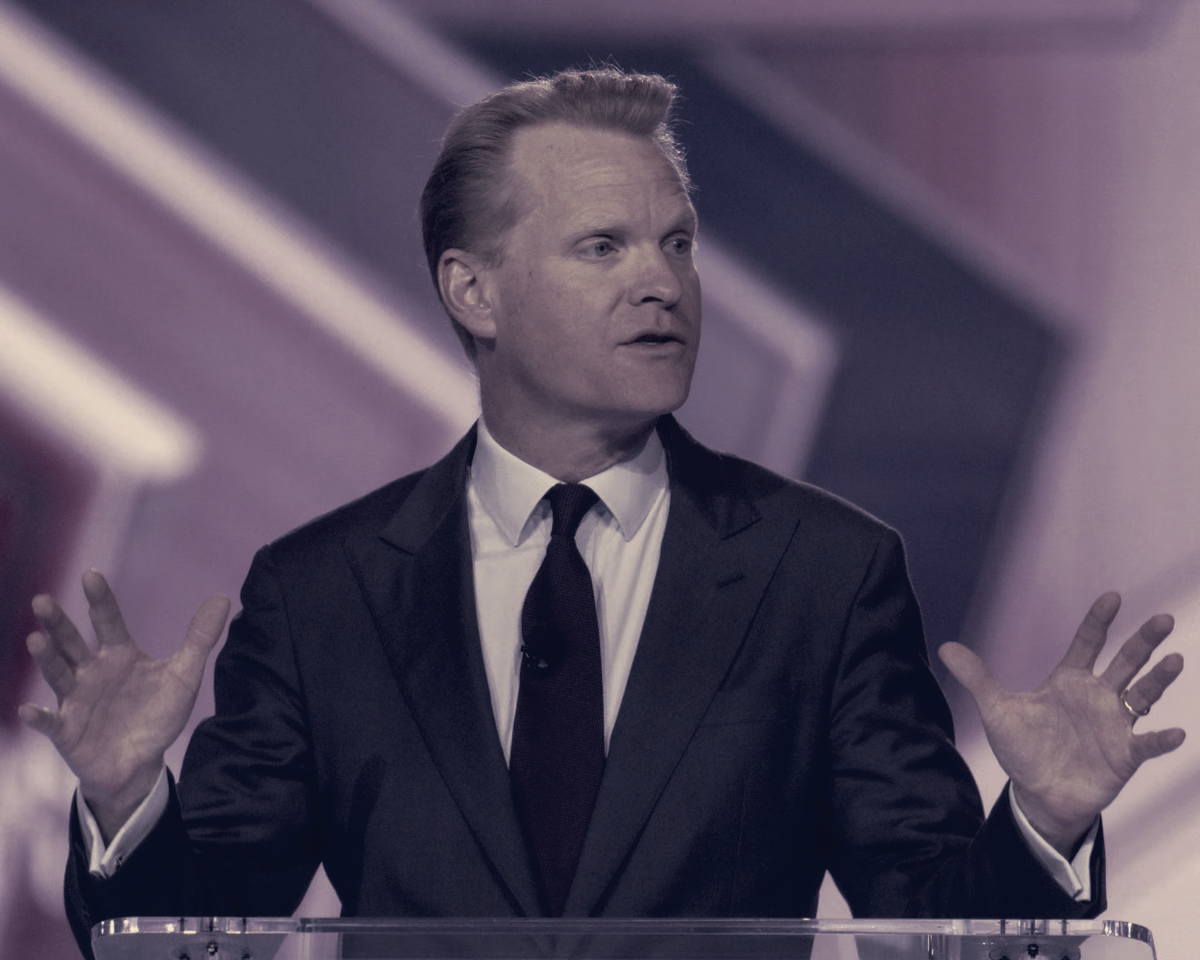
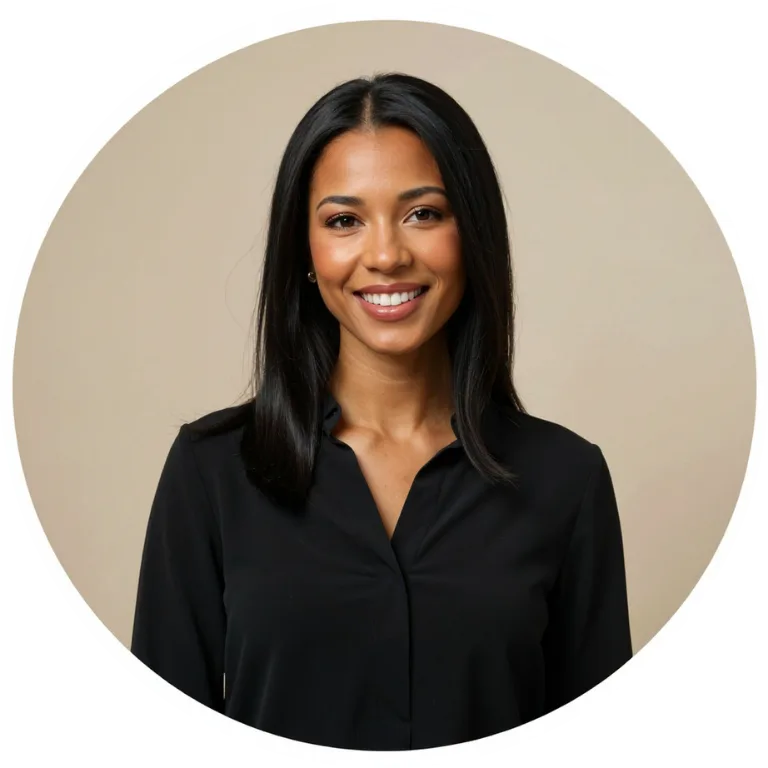
The University of Cambridge has opened an inquiry into James Orr after undercover footage suggested he sought to route polling payments through a US company, a move that could raise questions under UK electoral law. Cambridge said it is examining the matter while Orr remains an associate professor in the divinity faculty and continues to teach students at the university.
The footage, broadcast by Channel 4 News and gathered by investigative journalists at Verbatim, showed an undercover reporter posing as a UK-based supporter in discussions with Orr. In those conversations Orr discussed commissioning polling that had been arranged by Reform UK but appeared to propose it be paid for by a US firm linked to the fake supporter’s supposed father. In a separate clip he said of the arrangement that Nigel Farage "doesn’t know, won’t know" and it was the kind of thing he would "rather not know."
Orr has been a prominent intellectual within Reform, described by Politico as the party’s "philosopher king," and has close US political contacts. The footage noted that JD Vance, the US vice-president, has called Orr his "intellectual mentor" and his "British Sherpa." Reform initially dismissed the investigation as a "hoax." Orr later posted on X that "There is absolutely no way this could amount to a benefit or donation in kind at all," and described Verbatim as "politically motivated actors trying to discredit a political opponent through dubious legal means."
On Friday Orr and Dan Jukes, another senior aide to Farage who denies wrongdoing, stood down from their roles while the party conducts an internal review. Farage publicly distanced himself from both men, saying they were not part of the fundraising team and should have followed proper channels.
The immediate consequences are twofold, institutional and political. Cambridge must determine whether the conduct of a faculty member breaches university obligations, while Reform faces reputational and compliance risks as it investigates fundraising practices. The party’s internal probe will decide whether the matters raised by the broadcast amount to breaches of party rules or electoral law, and Cambridge’s inquiry will establish whether academic duties or codes of conduct were compromised.