
The opening of the trial in Paris places criminal responsibility for one of the deadliest small-boat disasters in the English Channel at the centre of a public reckoning, and offers bereaved families their first sustained legal forum to pursue answers.
Fourteen men have been charged with manslaughter and facilitating illegal immigration as members of an organised criminal group. Most of the defendants, who are mainly Afghan nationals, deny the accusations. Two men named by prosecutors as alleged leaders remain at large and are being tried in absentia.
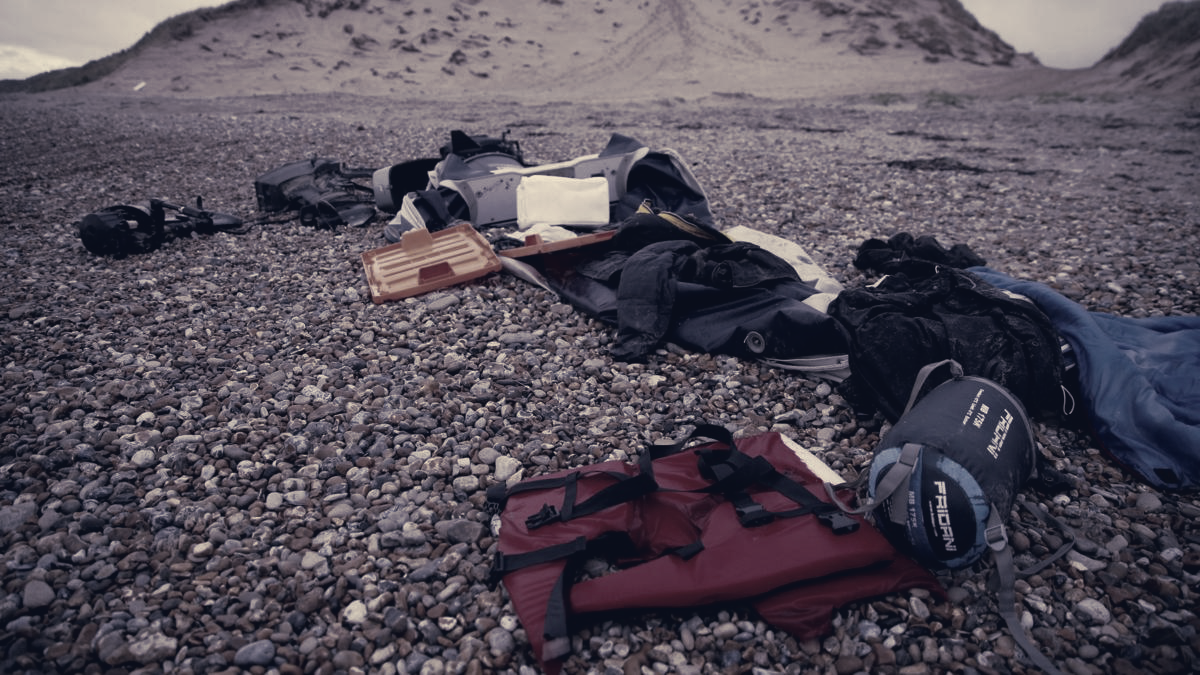
The case concerns a motorised dinghy that left the French coast on the evening of 23 November 2021 and began taking on water while crossing the Channel. Occupants tried to lighten the craft by entering the sea, but many were overcome by the cold. Two men survived, at least 30 men, women and children died, 27 bodies were recovered and four people were later classed as missing.
Prosecutors say the group supplied an unseaworthy, overloaded boat, provided inadequate lifejackets, organised lodging and onward transport, and handled payments. Several defendants have told investigators they were migrants themselves who acted under orders from other organisers.
Some relatives of the victims travelled to Paris for the trial's opening. Emmanuel Daoud, a lawyer representing many family members, said, "Once again [the smugglers displayed] total cynicism. Migrants are not sailors," and added, "The smugglers know perfectly well what they are doing. They take the deliberate, conscious risk of sending migrants to their deaths."
Those who died included many Iraqi Kurds, and people from Somalia, Ethiopia, Egypt and Afghanistan. The youngest named victim was seven years old.
The disaster prompted parallel probes on both sides of the Channel. In France, seven military personnel who worked at a maritime rescue centre and aboard a navy vessel are under judicial investigation for a possible charge of failing to assist persons in danger, with a judge due to decide whether they should face trial. A separate UK inquiry concluded HM Coastguard in Dover suffered limited capacity because of chronic staff shortages, a surveillance aircraft was not launched because of poor weather, and a prevailing belief that migrants in small boats exaggerated distress led the coastguard to underestimate the emergency.
Proceedings in Paris are scheduled to run for about three weeks. Beyond individual verdicts, the trial will test how courts allocate criminal responsibility for deaths at sea, and whether prosecutions of suspected smugglers can address the wider safety and rescue gaps exposed by the tragedy.