UK sanctions on illegal Israeli settlements have prompted a series of Israeli counter-measures directed at UK nationals and organisations, shifting the diplomatic confrontation into direct reprisals.
The sanctions were imposed after Israel launched tenders to build homes in the strategically important E1 area east of Jerusalem, a plan that has drawn widespread international condemnation. Critics warn construction in E1 would effectively split the West Bank and leave East Jerusalem more isolated from Palestinian areas.
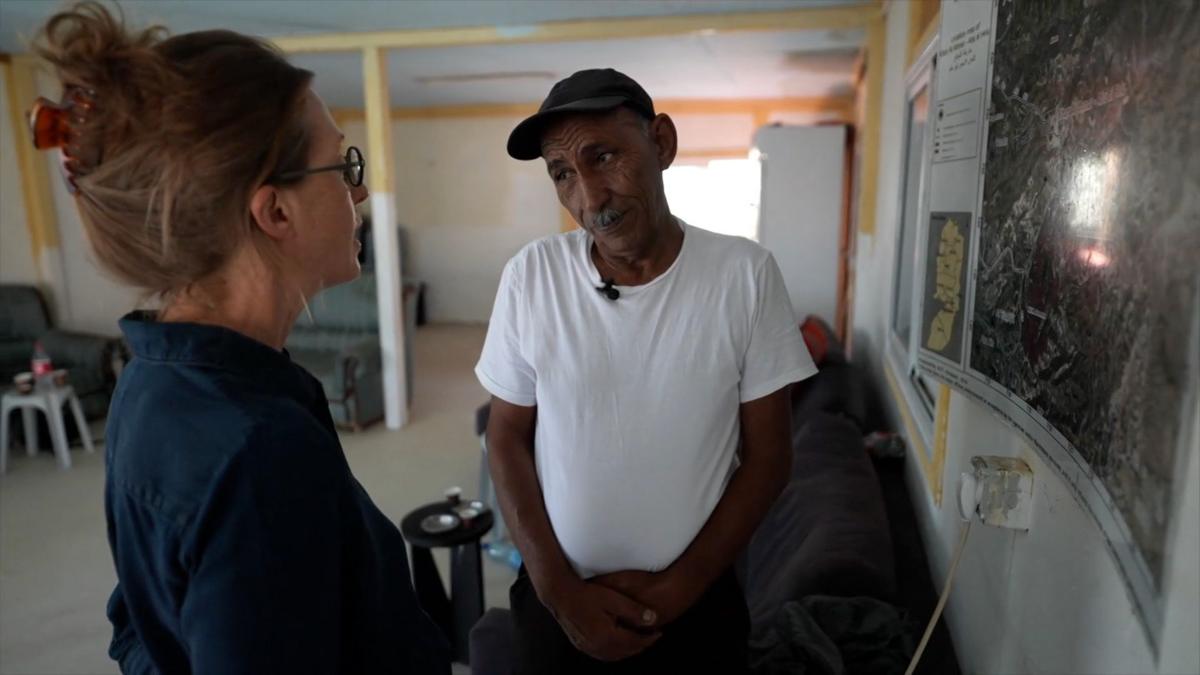
Middle East correspondent Lucy Williamson visited Khan al Ahmar, a Palestinian community located inside the E1 zone, and the neighbouring Israeli settlement of Maale Adumim. The proximity of the village to the settlement underscores why the E1 plans carry such immediate geographic and political consequences for residents on both sides.
The sequence of events is clear: Israel advanced construction tenders in E1, international actors responded with sanctions aimed at settlements deemed illegal under international law, and Israel then moved to counter those measures by targeting British individuals and bodies. Each step reinforces the dispute over the territory’s future and keeps the E1 area at the centre of controversy.
The public reporting from the visits highlights how local communities are already living amid the policy debate. For Palestinians in Khan al Ahmar, planned development in E1 is not an abstract strategy, it is an immediate threat to movement and access. For residents of Maale Adumim, the proposals form part of long-standing municipal expansion plans.
What happens next remains tied to diplomatic responses and policy choices by both the UK and Israel. The sanctions and the Israeli counter-measures have raised the stakes of decisions over E1, ensuring the area will remain a focus of international attention and bilateral tension.