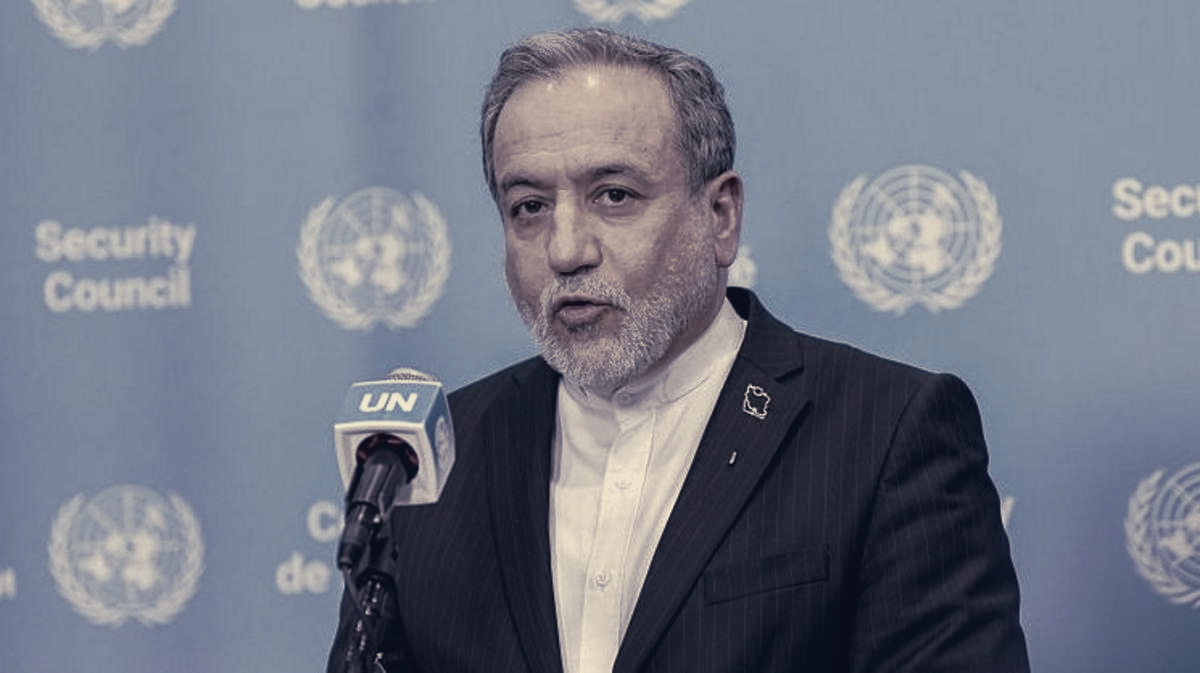
The reopening of the Strait of Hormuz could be restored within seven days if the United States meets conditions Iran says are already set out in the memorandum of understanding signed in June, Iran's foreign minister told reporters at the UN. Tehran says the proposal was delivered to Washington via Qatar and that the decision now rests with the US.
Foreign Minister Abbas Araghchi said the actions the US would need to take are not new, they are in the MOU, and that if Washington shows seriousness "everything is now prepared." He told reporters the strait could be reopened and "a normal maritime passage" restored within seven days if the necessary conditions are met.
An unnamed US official said talks are taking place through mediators and described discussions as constructive, while also asserting the US holds a strong position and is not in a rush. The contact through intermediaries is also addressing nuclear issues, the official added.
The June memorandum, a 14-point agreement signed on 18 June, sought a ceasefire and steps to reopen the strait. It included a pledge that Iran would never have a nuclear weapon, a mutual end to military operations on "all fronts," the end of a US naval blockade and provisions for sanctions relief. The text also called on Iran to make arrangements for the safe passage of commercial vessels and to hold talks with Oman on future shipping arrangements.
The MOU collapsed after both sides resumed strikes. On 28 February the US and Israel launched air strikes on Iran, and Iran responded with attacks on Israel, US bases in the Gulf and Arab Gulf allies, and by blocking the Strait of Hormuz. Before the war, about 20% of the world’s oil and liquefied natural gas transited the strait; its closure has driven large swings in energy prices and heightened pressure on President Trump as the US approaches Congressional elections in November.
Shipping data from Kpler shows a recent 10-day average of about 18 transits per day through the strait, with daily counts falling to as few as nine vessels on some days. The regional security picture is further strained by Houthi advances in Yemen, which have included the capture of stretches of Red Sea coast and the port of Mokha, and by intensified attacks on Saudi oil facilities. US media have reported that Saudi Crown Prince Mohammed bin Salman has sought military support from the US.
President Trump has publicly threatened to "annihilate the Islamic Republic" if no deal is reached, a line Tehran rejected as coercion. Araghchi said Iran will not accept "coercion, threats or intimidation" and warned that "peace cannot be built through threats of annihilation."
The immediate next steps are likely to remain diplomatic: mediators will carry the offer to Washington and both sides will weigh whether to return to the ceasefire framework in the June MOU. Any reopening of the strait depends on reciprocal steps being taken and on a de-escalation of strikes across multiple fronts.