White House ethics scrutiny has intensified after President Donald Trump gave $45,000 to Natalie Harp, financial disclosure forms published by the administration show.
The filings list four cash gifts that together total $157,000. Two other aides received $45,000 each, while long‑time aide Walt Nauta was given $22,000. The payments are recorded as a "cash gift for the holidays."
The documents show no other White House staff reported receiving money from the president. Federal rules bar employees from accepting outside compensation for their official duties, and the fact the payments went only to a small group of close aides has raised questions about how the gifts fit those restrictions.
A White House official told the BBC the payments were personal, part of a long practice of holiday giving by the president, unrelated to the recipients' government roles and lawful under ethics rules. The administration did not explain why the other 91 listed staff members, including senior aides and advisors to the First Lady, were not given gifts.
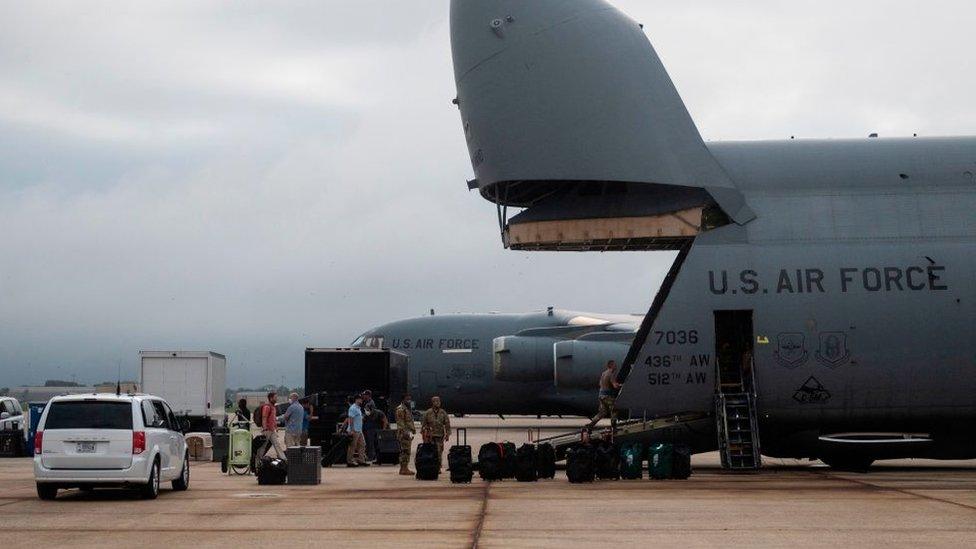
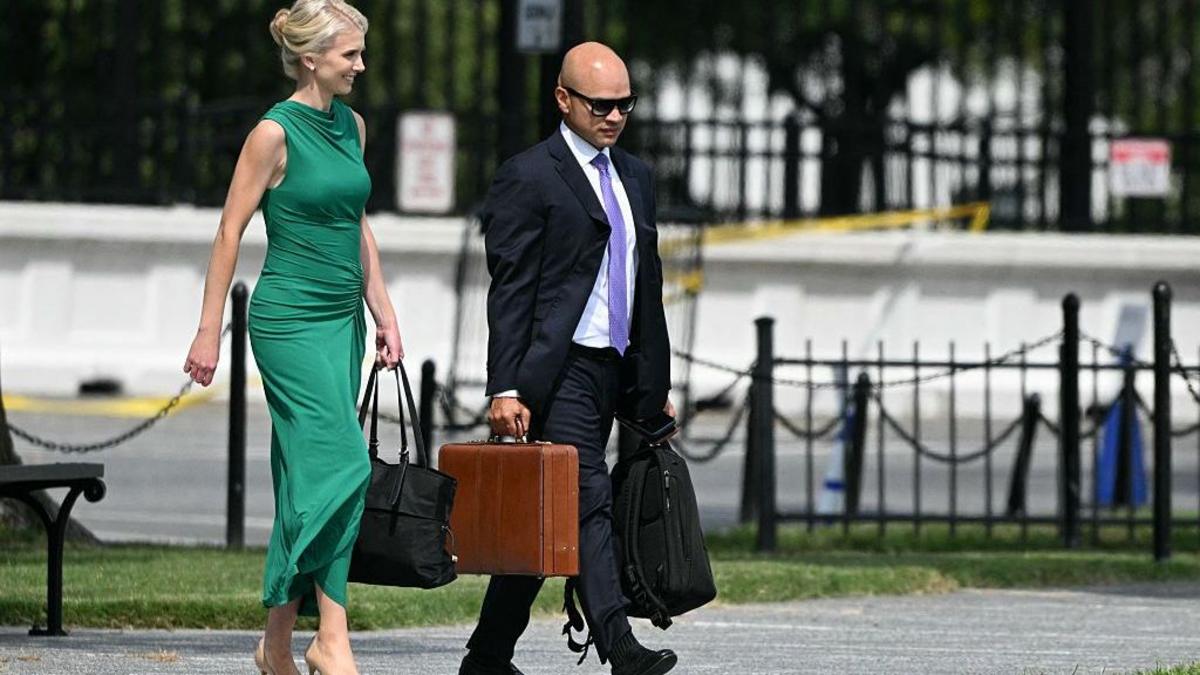
The four named recipients are widely described as members of Mr Trump’s inner circle. Natalie Harp, 35, is one of his longest‑serving aides and is regularly entrusted with drafting his Truth Social posts. She was also among the small group who accompanied the president during a discreet aircraft change after a trip to Turkey last month. Nauta, a US Navy veteran, previously served as a military valet and later worked at Mar‑a‑Lago. He was indicted alongside Mr Trump in June 2023 on charges over classified documents; that case was dismissed.
The other recipients are communications aide Margo Martin, known for documenting the president’s activities online, and Chamberlain Harris, 26, who serves as the president’s executive assistant and was appointed in February to the US Commission of Fine Arts.
Cassandra Burke Robertson, director of the Center for Professional Ethics at Case Western Reserve University, said "it's not an easy call" on whether the gifts are ethical. "If it were compensation, it's not allowed," she added. "Of course, that's where the administration's argument comes in, that it's a social gift done out of friendship. Not compensation." Robertson warned the payments could "add to a generalised perception of really rampant conflicts of interest."
There are no other known examples of a serving president handing cash to White House staff. Past presidents have given personal keepsakes to aides; one example cited in the disclosures was former president Barack Obama giving a framed necktie to a former press secretary. The immediate effect of these filings will be heightened public and media scrutiny and renewed questions about how personal gestures by a president intersect with federal ethics rules.