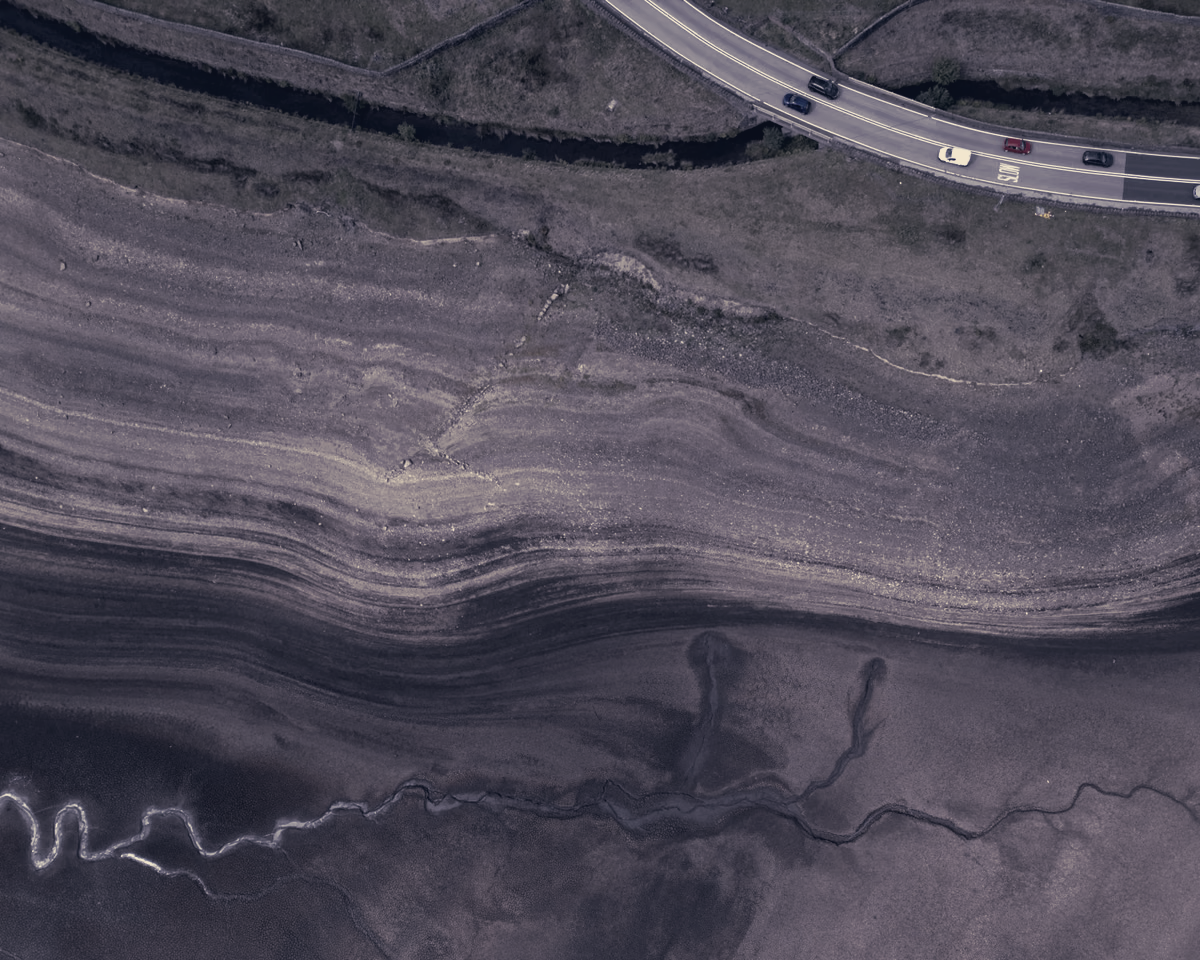
Large industrial users stand to pay more after ministers asked the Environment Agency to examine whether water abstraction licences and charges reflect the true value of a shrinking supply. The move follows a summer of shortages that has left almost three-quarters of England and all of Wales in drought and exposed 27 million people to potential restrictions.
Helen Wakeham, the Environment Agency’s director of water, told ministers the agency has been asked to look at how the value of water is reflected in licences and whether pricing can change behaviour. She said the body charges licence applicants only for producing a licence, not for the value of the water they take, and that the agency is in a “lively conversation” about whether it can “completely reframe the way we value and pay for water.” Wakeham added, “The overarching message is that water is so cheap that often it’s not managed, because it’s cheaper just to use more water.”
Campaigners and some industry voices seized on the contrast between rising household costs and low-priced access for certain firms. Dr Doug Parr, Greenpeace UK’s chief scientist and policy adviser, said households are being told to cut use while large firms “continue to benefit from low-priced access.” He called for a full rewrite of abstraction policy and licensing to reflect climate-driven water stress and biodiversity threats.
Ministers were shown data indicating a small number of businesses account for a disproportionate share of withdrawals. Less than 1% of firms in England use more water than the daily needs of 10 million people, and several of those companies face no formal requirements to reduce consumption, the agency said.
Datacentres featured prominently in the review. Water UK estimates datacentres now draw 6.6m litres of drinking water a day in England and warned that plans to expand capacity could push that to 19.8m litres if capacity triples by 2030. Jon Chappell, deputy director at Water UK’s trade body, called the use of potable water for cooling “unforgivable” and “a genuine failing of government.”
The Environment Agency and ministers are at an early stage of considering different pricing and licensing approaches so supply can be directed where it is most needed. Any reforms would initially hit large industrial withdrawers and water-intensive new projects, while the agency’s warning of a potential 5bn-litre-a-day shortfall in England by 2055 frames the central policy choice: preserve cheap access for some sectors, or use market and regulatory levers to drive conservation and reallocate scarce water.