Qatar is shifting its investment focus, committing more than $38bn to domestic infrastructure over the next five years to attract private capital and shore up the economy as regional conflict disrupts markets.
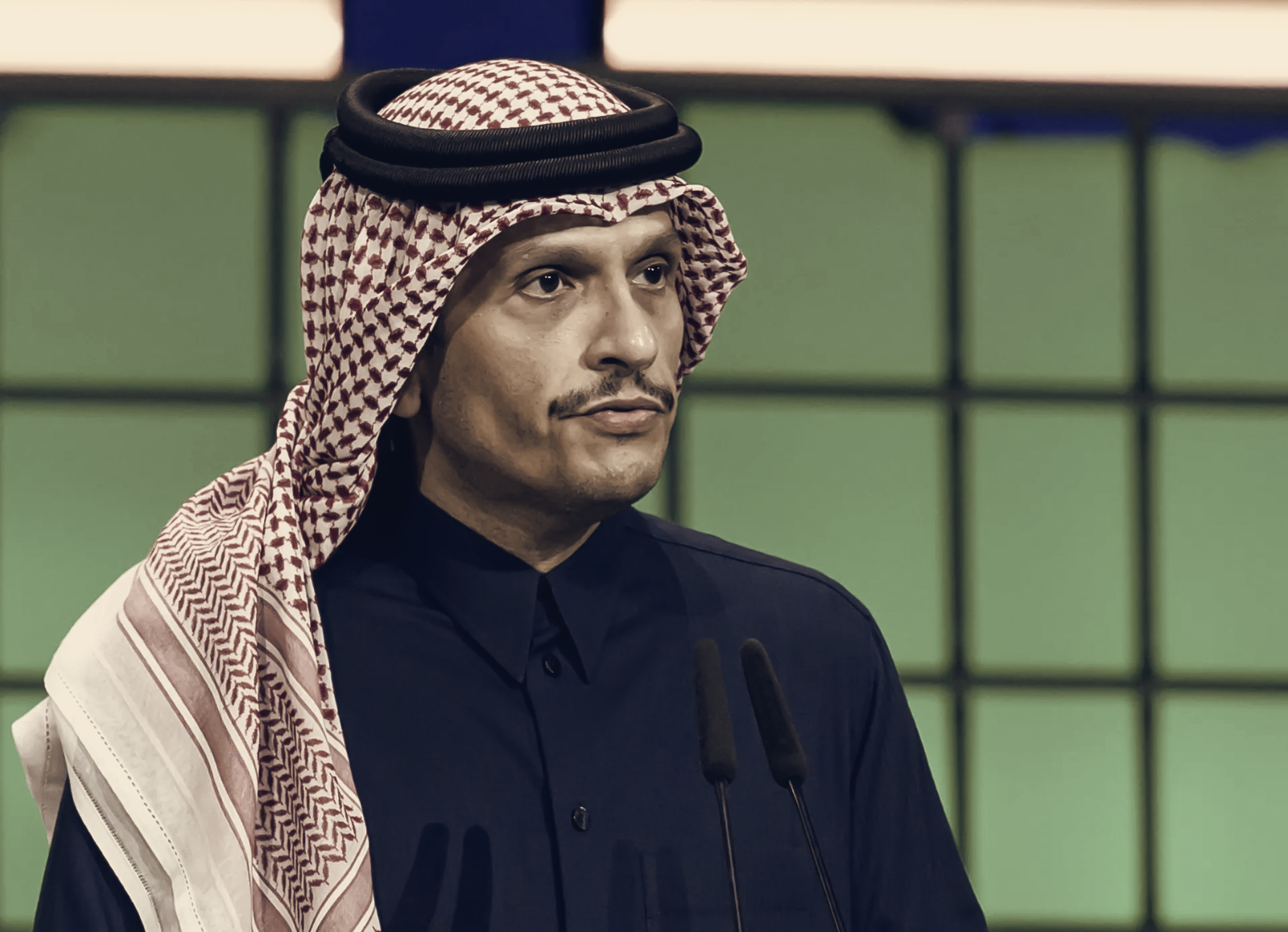
Delivering the announcement at a UN General Assembly, adjacent event in New York, Prime Minister Sheikh Mohammed bin Abdulrahman bin Jassim Al Thani framed the wider threat from the US-Israel war on Iran as "an earthquake," saying its shock waves extend beyond the Middle East and unsettle assumptions about security and stability.
The prime minister, who also serves as foreign minister, called for a new regional framework centred on respect for sovereignty to break recurring cycles of escalation. He warned that piecemeal arrangements that leave states exposed are not a path to lasting peace, saying, "Permanent security cannot be built through arrangements that leave any state permanently exposed to insecurity."
Sheikh Mohammed acknowledged the conflict is already affecting energy supplies, shipping and investor confidence, and posed a simple question about what remains reliable when so many systems are disrupted. He said Qatar's economy and security foundations have been tested, but the government views the domestic investment plan as a way to demonstrate resilience and draw private-sector partners.
The spending pledge covers Qatari infrastructure projects over five years and is explicitly designed to send a signal to markets that Doha will prioritise internal stability amid external shocks. A reporter in New York said the prime minister's message is likely to be repeated when Gulf leaders meet US President Donald Trump on Tuesday during the UN General Assembly.
Qatar also continues diplomatic work to reduce regional tensions. Foreign Ministry spokesman Majed Al-Ansari told journalists in New York that Doha is mediating in efforts to restart talks between Tehran and Washington with the aim of ending the US-Israel war on Iran.
The UN General Assembly opens Monday and runs through Friday, with the Middle East and the conflict's global consequences expected to feature prominently in speeches and bilateral diplomacy.