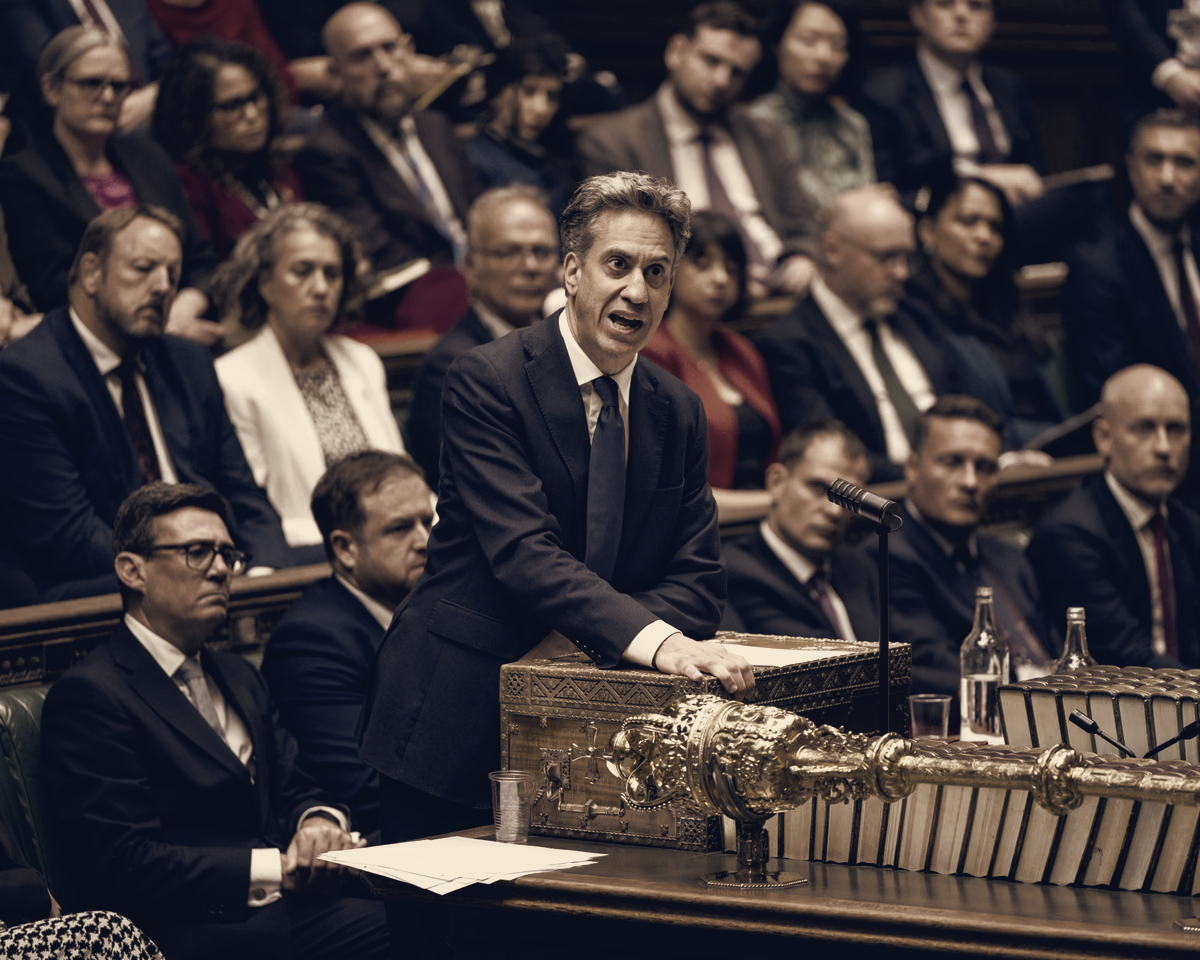

Britain is changing how it does business with Israel, signalling immediate economic costs for firms and individuals tied to West Bank settlements. Foreign Secretary Ed Miliband led a 12-country initiative that includes the UK, France and Canada committing to national trade bans, and announced measures to forbid imports from settlements while pursuing action against companies and financiers that sustain them.
Miliband formally declared the occupation of the Palestinian territories unlawful, aligning Britain with the international court of justice's 2024 opinion. He said evidence of war crimes in Gaza is mounting and accused elements of Israel's government of supporting forced displacement, using the phrase "ethnic cleansing" to describe activity in the West Bank. He also warned the government will refuse to licence arms sales that "contribute to the occupation".
Beyond a goods ban, Miliband said London will target construction, infrastructure and financing services that underpin settlements, because a import-only restriction would leave commercial activity intact. He promised a "sanctions regime" to act against "companies and individuals" aiding settlements, and said the UK will also move against extremist settlers. Those measures aim to force private actors to ask whether they are profiting from or helping to sustain an unlawful occupation.
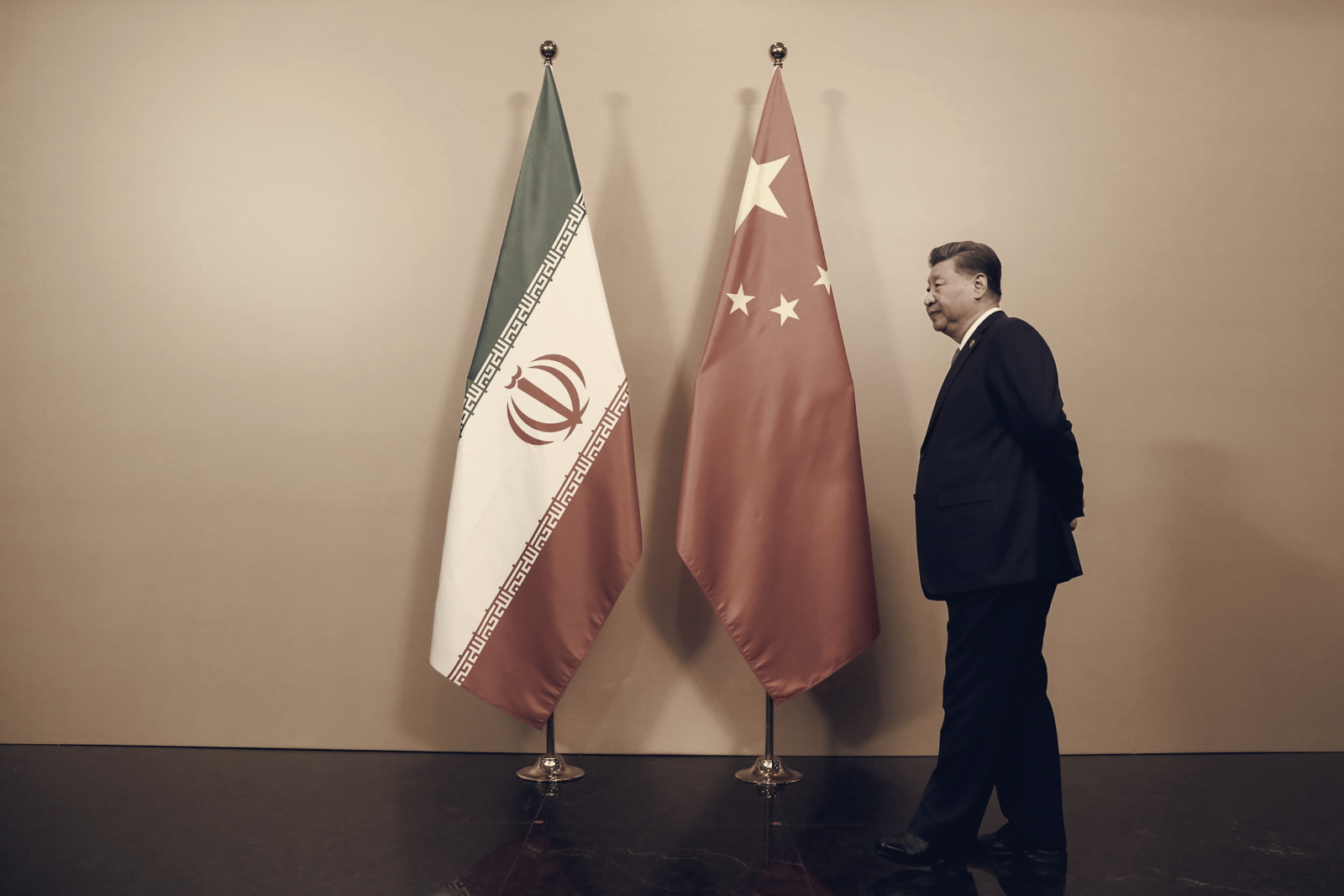
The move followed international alarm after Israel approved plans for 1,200 homes in the E1 settlement, a project described as cutting the West Bank in two and extinguishing prospects for Palestinian statehood. Britain’s announcement came as part of a diplomatic package that also sanctions Iran and Hezbollah, a balance London says recognises Israel’s security threats while opposing what it calls illegal actions by Israeli authorities.
The declaration has already prompted an immediate diplomatic response: Israel closed the UK consulate in Jerusalem. Washington will watch closely, with the announcement likely to be scrutinised by the Trump administration; US political figures may react, and some US states, including Florida, have flagged potential penalties for entities seen as boycotting Israel.
The practical test of the policy will be enforcement. Miliband’s words establish a principle that Britain must sever business ties that uphold an unlawful occupation, but converting that into a comprehensive embargo will require detailed regulations, company investigations and legal work in the weeks and months ahead. The government has promised action, and its next steps will determine whether the measures are a symbolic stance or a sustained shift in UK-Israel economic relations.