
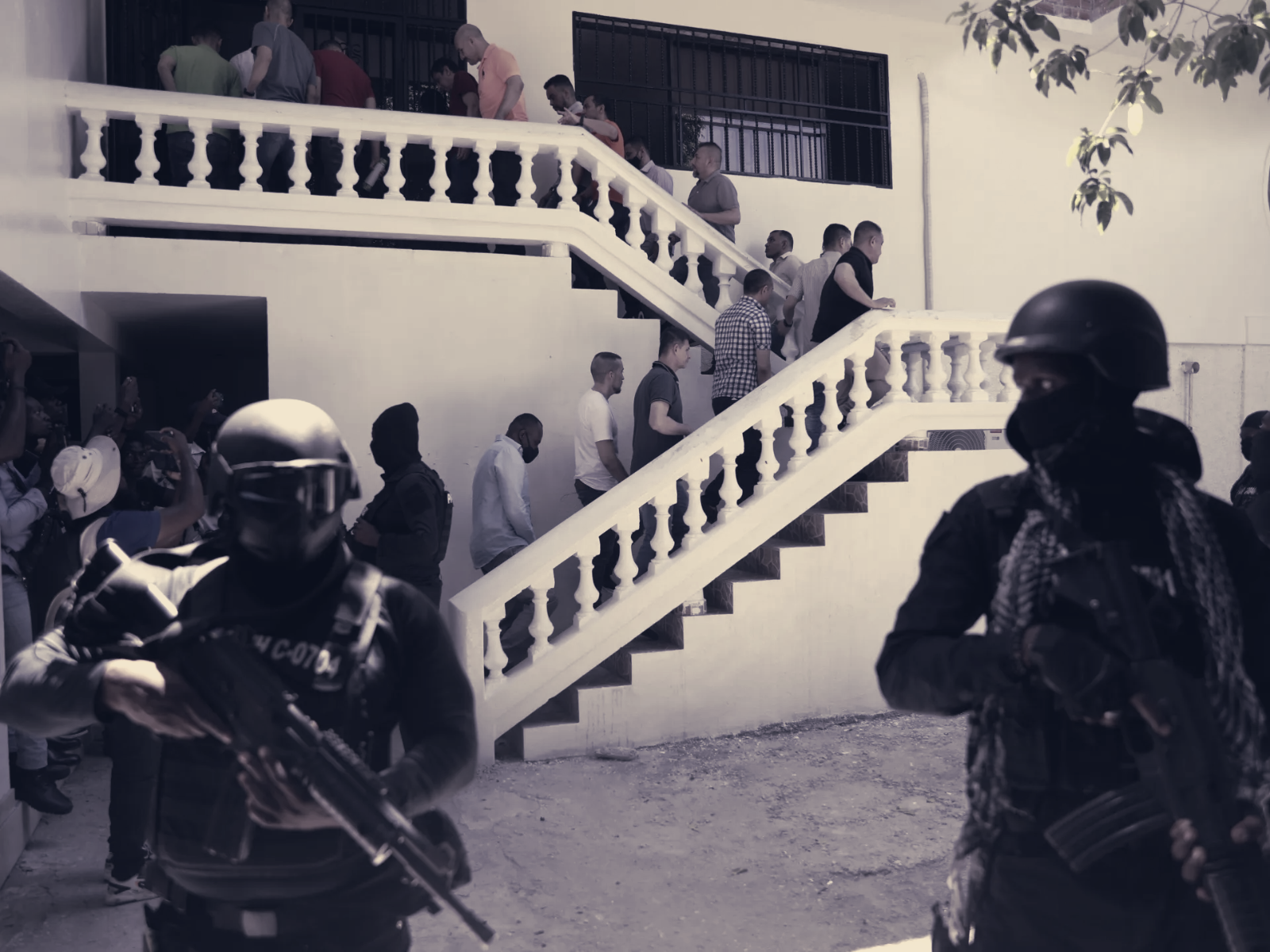
Control of the prosecutions has moved to federal courts in Florida, after 18 Colombians and Haitians were flown from Port‑au‑Prince on a U.S. military flight to face charges linked to the 2021 assassination of President Jovenel Moise. The defendants were transferred to the Southern District of Florida, where prosecutors say planning, financing and staging of the plot were centred.
U.S. Attorney Jason A Reding Quinones, who is an appointee of President Donald Trump and is leading the probe, framed the move as a continuation of a broad, cross‑border investigation. “Today marks the next major phase in our pursuit of accountability for the assassination of President Jovenel Moise,” Quinones wrote on social media. “We will follow the evidence wherever it leads, to those who financed it, facilitated it, supported it or committed crimes to make it possible. Five years later, we are still bringing defendants before American courts, and we are not finished.”
FBI Special Agent in Charge Brett Skiles confirmed that multiple arrests took place on Sunday in the United States and abroad. Federal prosecutors point to earlier activity in Florida, where convictions were secured this year: in May, a jury in Florida convicted four men, and at least five other defendants have pleaded guilty and are serving life sentences.
Haitian critics say the extraditions underline the collapse of the country’s justice system. Pierre Esperance, executive director of the National Human Rights Defense Network, called the transfer a “disgrace for the Haitian justice system” and urged reforms so that complex trials can be handled inside Haiti in future.
The country’s institutions were already weakened after Moise was shot dead at his private residence in the Pelerin 5 neighbourhood in July 2021, an attack that left his wife critically injured and produced a prolonged leadership vacuum. That security breakdown has allowed armed gangs to expand, the article records, with fighters now consolidating control over an estimated 90 percent of Port‑au‑Prince. The United Nations logged at least 8,100 gang killings in 2025 and estimated that about 1.5 million people have been displaced. No national elections have been held in Haiti since the assassination.
Federal prosecutors say moving the cases to U.S. courts became necessary because a fair trial in Haiti had become increasingly impossible amid entrenched graft, political chaos and violent gang activity. The 18 defendants are scheduled to appear before federal courts in Florida as U.S. investigators continue the transnational inquiry into who financed, facilitated and carried out the assassination.