
The owners of Furnace Brook lost their fishery overnight after more than 2,000 fish were found dead in the 2.4-hectare lake on the morning of 20 June 2024, forcing removal and burial of 15 trailer-loads and triggering an Environment Agency Category 1 incident declaration.
The Story in Pictures
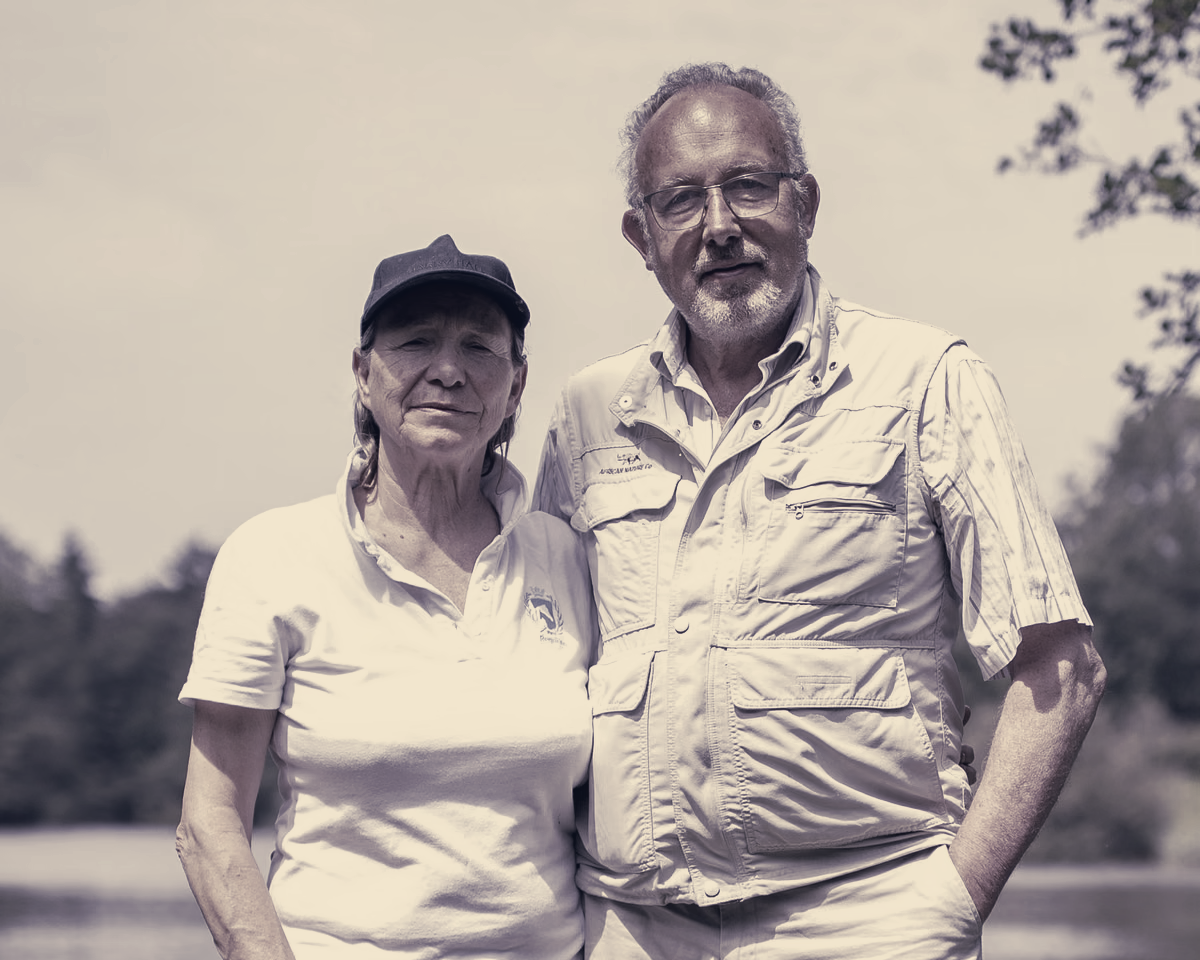
Furnace Brook sits in a secluded valley in the High Weald, East Sussex, on an eight-hectare (20-acre) property the Gould family bought in 2013. The lake supported at least 15 species, including carp, tench, bream, roach, trout and large eels. Diane Gould said the loss was devastating for the family and the anglers who had known individual fish for years. “The eels were climbing out of the lake to die,” she said.
Alistair Gould, an ecological consultant, and their son Simon, who managed the fishery, first found bodies on the surface and then saw dead fish stretching up the stream that feeds the lake. When Alistair inspected Clippenham stream, which supplies the lake and runs to the Pevensey Levels on the south coast, he found it also contained dead fish, suggesting the pollution entered the lake from upstream.
The Goulds called the Environment Agency, which attended two days later and classed the incident as Category 1, the most severe designation for an event with a serious, extensive or persistent impact on the environment, people or property. The agency advised the family to bury the carcasses and they removed 15 trailer-loads. They estimate their lost income so far at £500,000. A biologist later estimated the lake will take 10 to 15 years to recover.
The Furnace Brook die-off is presented by the family as part of a wider pattern of freshwater decline in England. Government statistics from 2025 show just 14% of England’s rivers and lakes have a "good ecological status," and every river and lake tested contains chemical pollution. Illegal dumping has also produced large contamination events in recent years, including a 150-metre-long mountain of rubbish discovered in Kidlington and 35,000 tonnes of waste dumped in Hoad's Wood, Kent, the latter costing an estimated £15m to clear up.
For the Goulds the immediate outcome is clear: the angling business is gone overnight and the ecological function of the lake has been severely damaged. The family and their community are left to manage the burial, the cleanup, and a long wait for natural recovery while the Environment Agency pursues the inquiry into the source and mechanism of the pollution.