
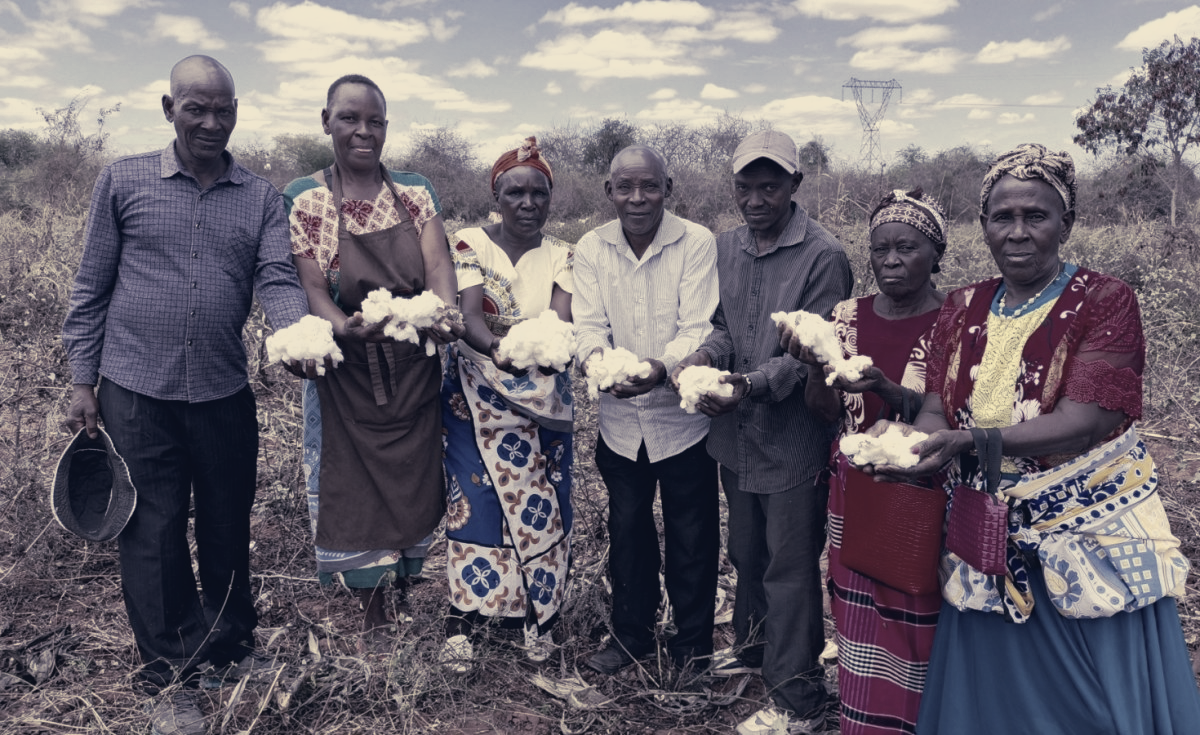
The renewed interest rests on three constraints named in reporting from the area. Seed availability is the first, because without certified or affordable planting seed farmers cannot scale production. Second is rainfall, the simple but decisive requirement for planting and yields. Third is whether younger producers choose to return to or take up cotton, a demographic factor that will influence labour and the sustainability of any expansion.
These conditions make the revival contingent rather than certain. Higher prices can motivate planting quickly, but price signals alone do not deliver seed, guarantee rains or bring back a younger cohort of growers. If one or more of those inputs are missing, any uptick in area planted may be short lived or produce disappointing harvests despite favourable market prices.
The immediate consequence for Kitui is pragmatic: farmers who can access seed and hope for normal rains may increase cotton acreage, while those who cannot will likely stick with existing crops or leave land fallow. For the county as a whole, the difference will determine whether cotton returns as a meaningful source of income or remains a temporary response to market moves.
What happens next is straightforward to watch for: distribution of seed, seasonal rainfall patterns and signs of youth participation in planting and management. Those three variables will decide whether Kitui’s cotton revival becomes a sustained shift in the county’s agricultural mix or a short episode tied to current prices.