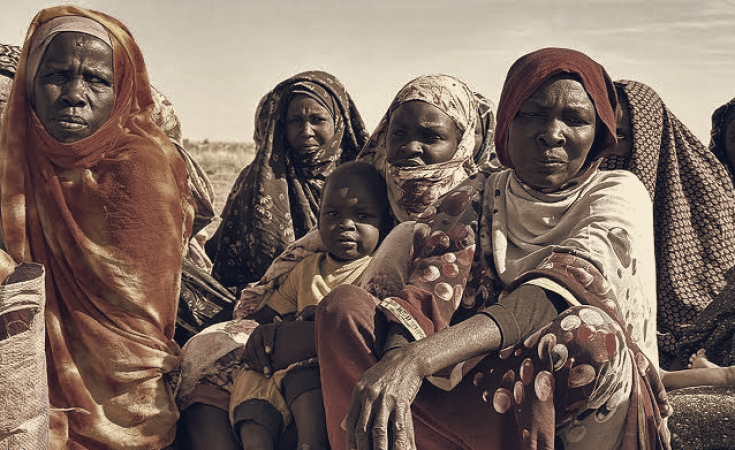
DNHR has been collecting and verifying figures and says the cumulative number of women arrested or imprisoned in Nyala stands at approximately 1,371 for the period following the RSF takeover. The organisation also reports that some detained women were pregnant and that several gave birth while in custody, raising immediate questions about access to adequate medical care for pregnant women, mothers and newborns held in detention.
During his visit to a Nyala detention facility, General Mohamed Hamdan Dagalo reportedly ordered the release of a group of women. Authorities subsequently freed 196 women, and each woman reportedly received USD 1,000. DNHR welcomed the return of those released but warned that the gesture does not resolve concerns over why so many women were arrested, where others are being held, or what treatment detainees experienced while deprived of liberty.
The rights network singled out the detention of activists and women human rights defenders as especially troubling, saying authorities must not punish women for civil society work, documenting violations, or assisting communities. DNHR urged that release and cash payments cannot substitute for truth, justice, accountability and reparations where rights have been violated.
DNHR set out a list of demands for the RSF and de facto authorities controlling detention sites: disclose the total number, identities, locations and legal status of all detained women; allow family visits, legal counsel and independent humanitarian and rights monitors; ensure immediate healthcare for pregnant detainees and infants born in custody; investigate allegations of torture, ill-treatment and sexual and gender based violence; and protect activists from intimidation and arbitrary arrest.
The organisation also called on the United Nations, the African Union and regional human rights mechanisms to intervene urgently to secure independent monitoring of places of detention. DNHR says it will continue verifying numbers and circumstances, and it urged transparent investigations to determine the fate of women still in custody and to hold any perpetrators to account.