New Zealand's Ministry of Business, Innovation and Employment said tests found Burkholderia cepacia complex in the solution used to package the lenses and warned the bacterium may pose a risk of eye infection or irritation. The Australian Competition and Consumer Commission issued a similar recall. The ministry also noted an incident in the United Kingdom in which a user developed an eye infection after using the product.
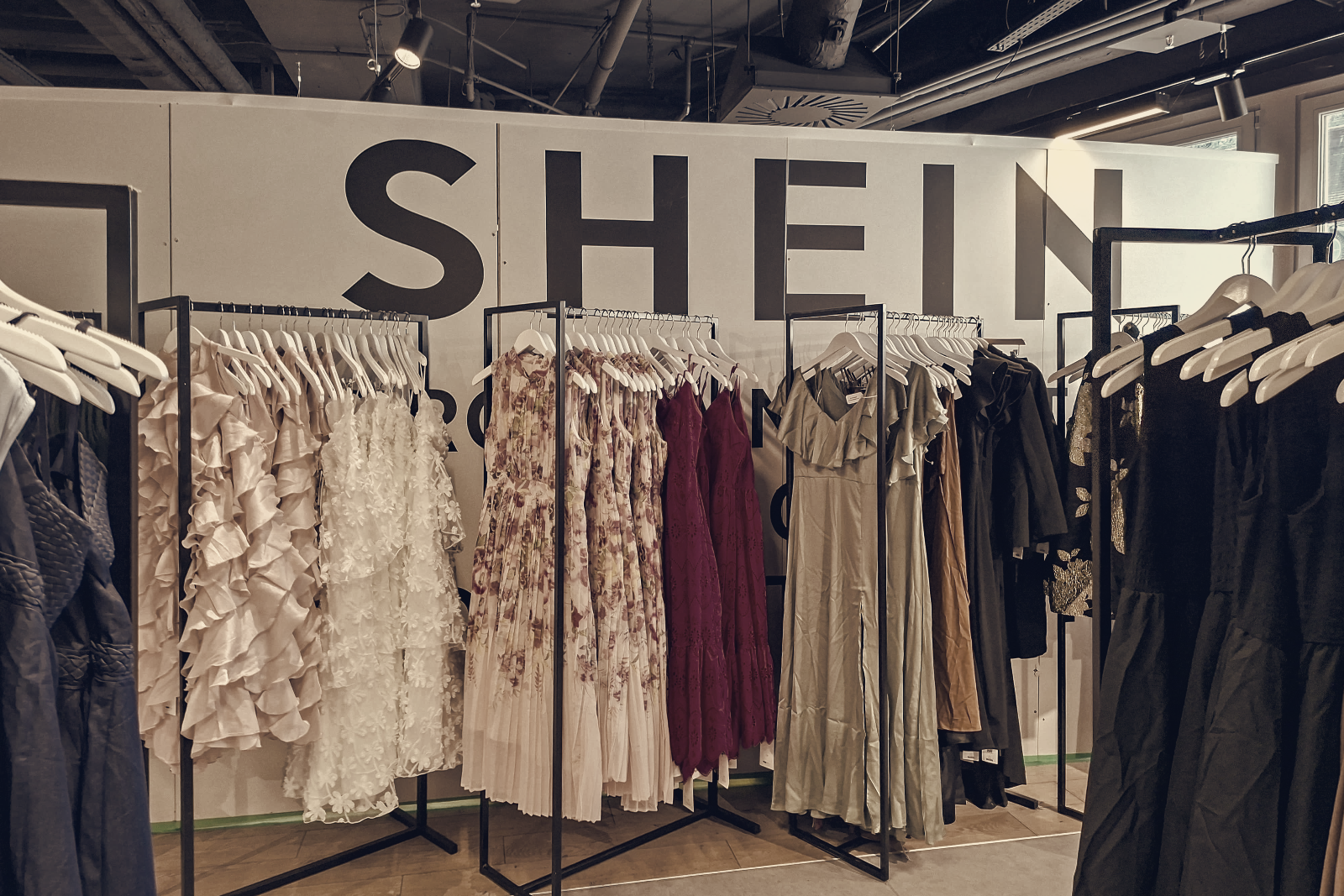
The market reaction was immediate. At the time of reporting Shein's Hong Kong-listed shares were 9.49% lower at HK$36.26, after earlier moving down by as much as 10% on the day. The slide compounds pressure on the fast-fashion retailer following its rocky Hong Kong debut earlier this month.
Shein rose to prominence by offering low-cost clothing and a rapid turnover of new designs, but that model faces growing headwinds outside its core market. The company has encountered tariffs and regulatory changes in Europe and the United States, factors that analysts say force a rethink of its customer proposition and operations. Marguerite LeRolland, senior global insight manager for fashion at Euromonitor International, has argued Shein must broaden its offer beyond low prices and fast novelty by curating marketplace listings, developing services and improving its brand image as scrutiny intensifies.
The recall puts product safety squarely on the agenda for investors and regulators. For now the immediate consequence is downward pressure on the share price and an increased need for the company to respond to safety concerns in international markets. The episode will test whether Shein can stabilise investor confidence while addressing regulatory and reputational risks highlighted by the recall and by recent market-entry challenges.