
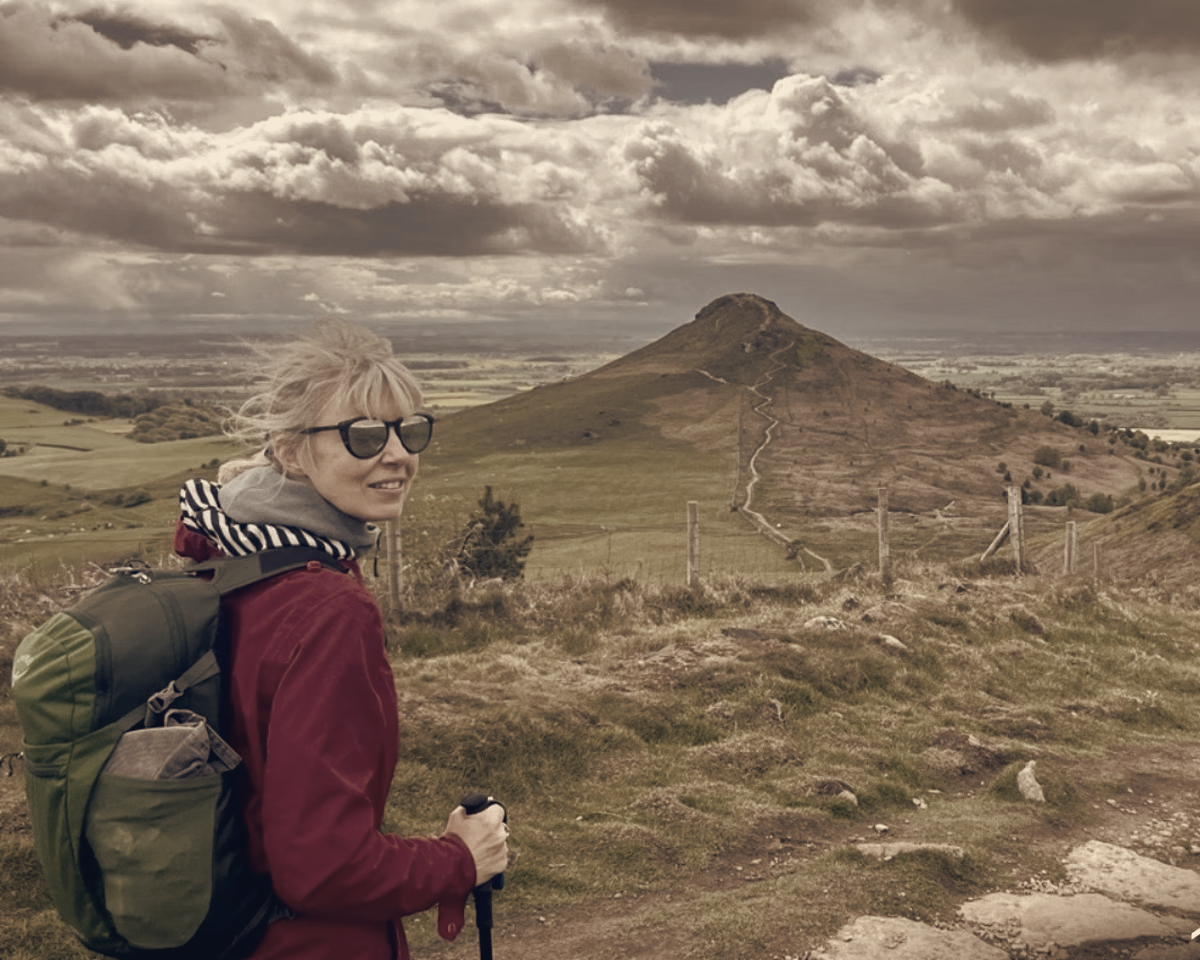
More women are choosing solo autumn hikes, shifting how routes should be planned and prompting practical safety choices for those who want solitude without unnecessary risk. Between 2020 and 2022 the proportion of women solo hiking in the UK rose by 27%, and in the United States 41% of female hikers say they regularly walk alone. Researchers at the Munich University of Applied Sciences found that 30% of women they interviewed would like to hike solo but are hesitant, a gap that simple planning can narrow.
The Story in Pictures
Author Annabel Abbs, who made her first solo hike during a sunny September seven years ago after a demanding summer caring for four teenagers, says the need to be alone outweighed her fears, adding, "my need for silence and solitude outweighs my fears." Her experience frames the practical advice she offers: choose landscapes that suit you, favour well waymarked national routes, and avoid stretches that feel deserted or unsafe.
Autumn is an especially favourable season for solo walking. Falling leaves improve sightlines, temperatures are milder, and days are long enough to reach planned endpoints before dark, while trails carry other walkers without the summer crowds. For multi-day trips she recommends light packing, paying to have luggage transported, or using specialist operators who plot routes, arrange accommodation and move bags, so the walker can focus on the terrain rather than logistics.
Practical navigation and safety steps are simple and repeatable. Start with a single-day walk, study transport and weather options in advance, carry a non-digital map and walking poles, and tell someone your expected arrival time. Routes that follow rivers, canals or coastlines tend to be navigation-lite, and regions with established hiking traditions often combine reliable waymarking with a regular presence of locals and phone signal.
She highlights three routes that match those priorities. The Bernese Oberland in the Swiss Alps, a Unesco world heritage site, offers dramatic scenery, strong waymarking and a culture of hiking; base villages include the car-free settlements of Wengen or Mürren where farm-cafes and honesty boxes are common. In England the South Downs Way from Eastbourne to Kingston, near Lewes takes about 2 days and covers 19 miles and offers clear signage plus nearby cultural stops. The Cleveland Way from Saltburn to Filey runs 52 miles and typically takes 4 days, and as one of the UK’s early national trails it benefits from good maintenance and signage.
The consequence for would-be solo walkers is straightforward: rising numbers mean solitude is increasingly accessible, but enjoyment depends on choosing the right route and managing logistics. For hesitant walkers the smallest step is a single-day autumn outing on a well-marked trail; afterwards many find the quiet and freedom that drew them out on to the path in the first place.