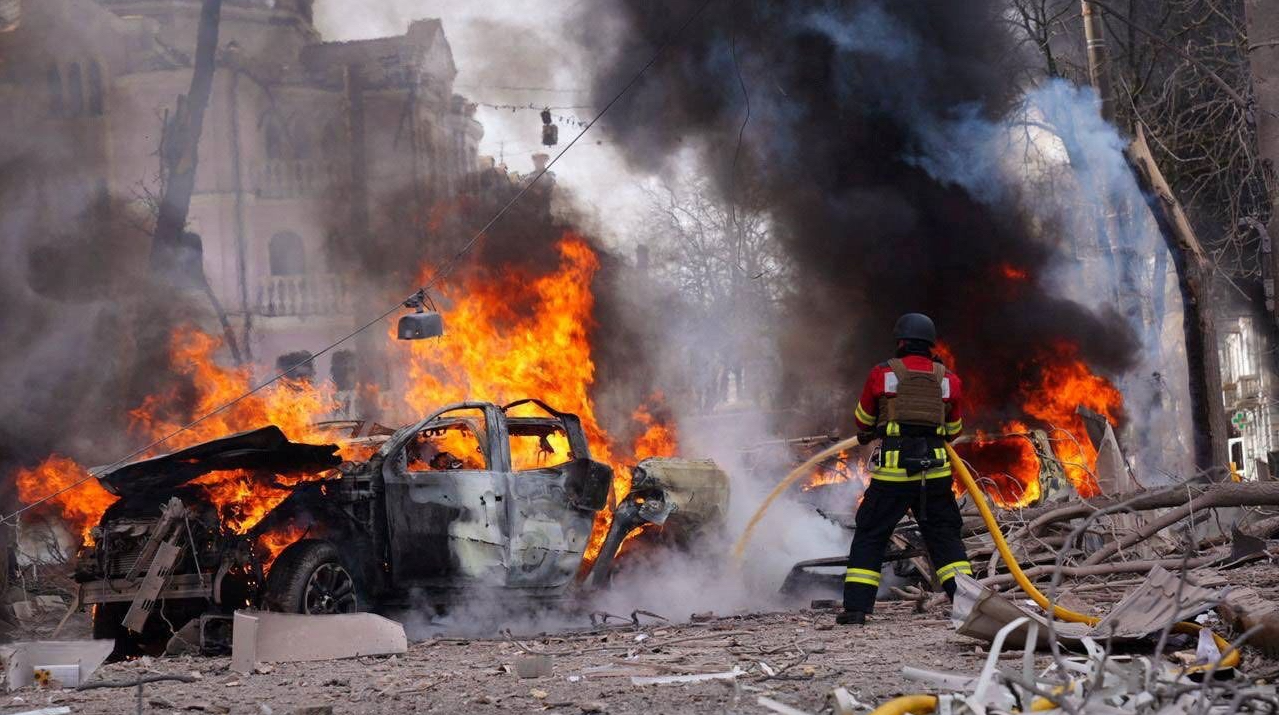
Nearly 93,864 people have been forced from their homes as fighting intensified following a burst of Saudi airstrikes across western Yemen, the UN and Houthi officials said. The Iran-aligned movement said the strikes came after it launched attacks on military facilities inside Saudi Arabia.
The Houthis said Riyadh carried out 54 airstrikes over 24 hours, using F15 and Typhoon aircraft to hit areas including Taiz, Lahj, Al-Jawf, Marib and Hodeida, a Houthi military spokesman said. The group also said it had fired dozens of drones and missiles at Saudi bases, prompting civil defence alerts in the southern Saudi cities of Khamis Mushait and Abha, and a later brief warning for Najran.
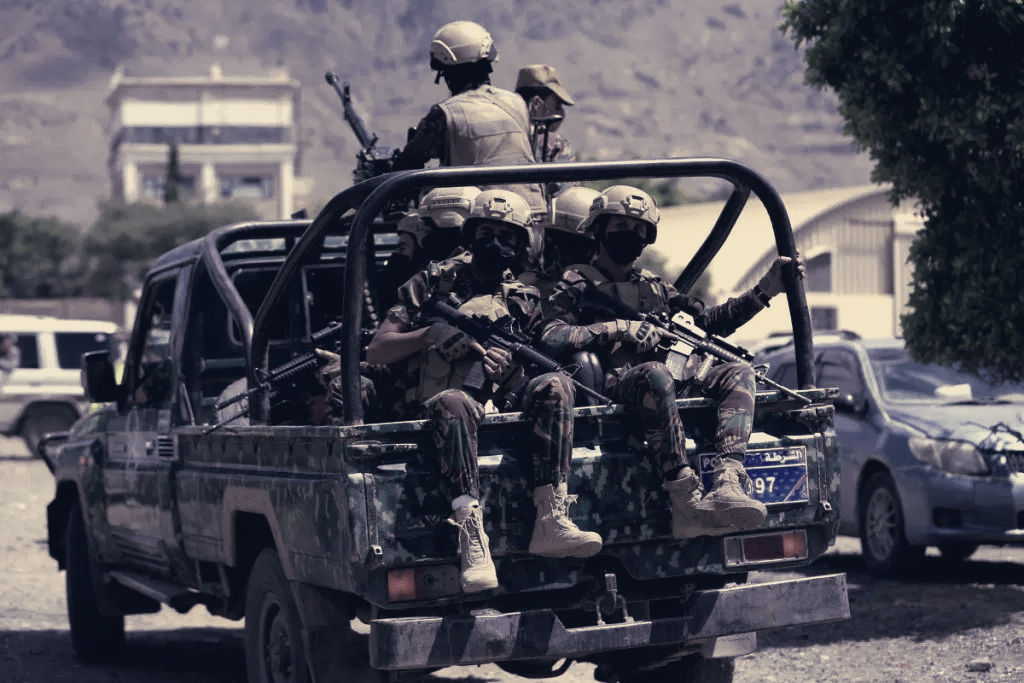
A resident of Khamis Mushait described "intense blasts" that left fires burning for a "long time," and said people in the city could not sleep. Within Yemen, Houthi missile strikes in the west killed eight troops from forces aligned with the Aden-based government, two military sources said. The Houthis' Al-Masirah channel reported that two civilians died when Saudi strikes destroyed a bridge in Taiz, a province that has seen particularly fierce fighting.
The recent clashes follow the Houthis' seizure last week of Yemen's Red Sea coast and the Bab al-Mandab Strait, a chokepoint linked to global shipping routes. Analysts and officials have warned the move raises the risk to commercial traffic through a key maritime corridor, and has already prompted diplomatic and military consultations among regional powers.
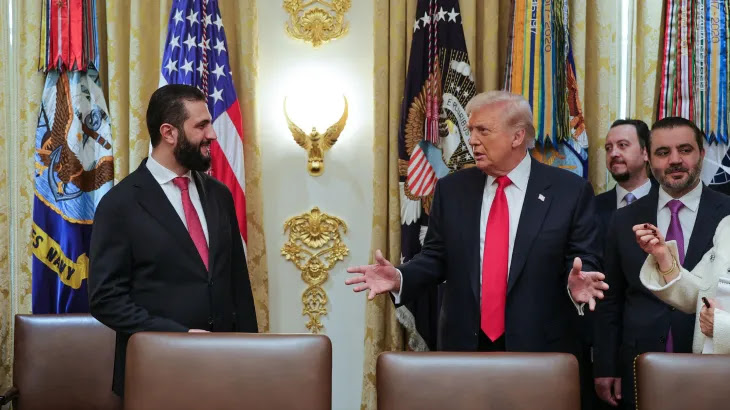
Diplomatic efforts showed strain, with a planned Gulf-Iran meeting on the future of Hormuz postponed amid accusations Tehran said Riyadh was using Yemen as a "pretext" to delay talks. Iran denied directing the Houthi campaign, its foreign ministry spokesman saying, "Iran does not interfere in Yemeni affairs," and describing the Houthis as "entirely independent actors who make their decisions based on their own interests." U.S. President Donald Trump said he was open to talks with Iran.
Regional leaders moved to coordinate responses. Egypt said its president would meet Saudi Crown Prince Mohammed bin Salman, and a U.S. Central Command chief held talks in Jeddah with the crown prince on the unfolding situation. A Middle East Institute expert suggested Saudi Arabia would seek guarantees that Egypt could help protect Bab al-Mandab if needed, but that Cairo would prefer alternatives to direct military engagement.
As combat continues, the immediate prospect is more displacement and rising humanitarian need in Yemen, and elevated diplomatic tension across the Gulf as states weigh whether to press military, economic or political responses to Houthi gains and the Saudi campaign.