Artists who lack museum, gallery or institutional networks are more likely to disappear from public memory because legacy planning is chronically underdeveloped and underfunded, the Joan Mitchell Foundation finds. Creating Future Memory, an 80-page report published September 15, compiles testimony from 145 artists, family members, curators and legacy workers to trace how gaps in knowledge, scarce resources and poor coordination shape who is remembered.
The authors place the problem in systems, not individual choices. Co-authors Solana Chehtman, the Foundation's Director of Artist Programs, and art writer and metadata consultant Sharon Mizota identify three central obstacles: lack of access to practical legacy knowledge, insufficient funding and resources, and weak coordination among the professionals and institutions that could preserve artists' work. Chehtman characterises those systems as "deeply underdeveloped, underfunded, and oftentimes completely inaccessible to artists [and professionals] working outside the mainstream."
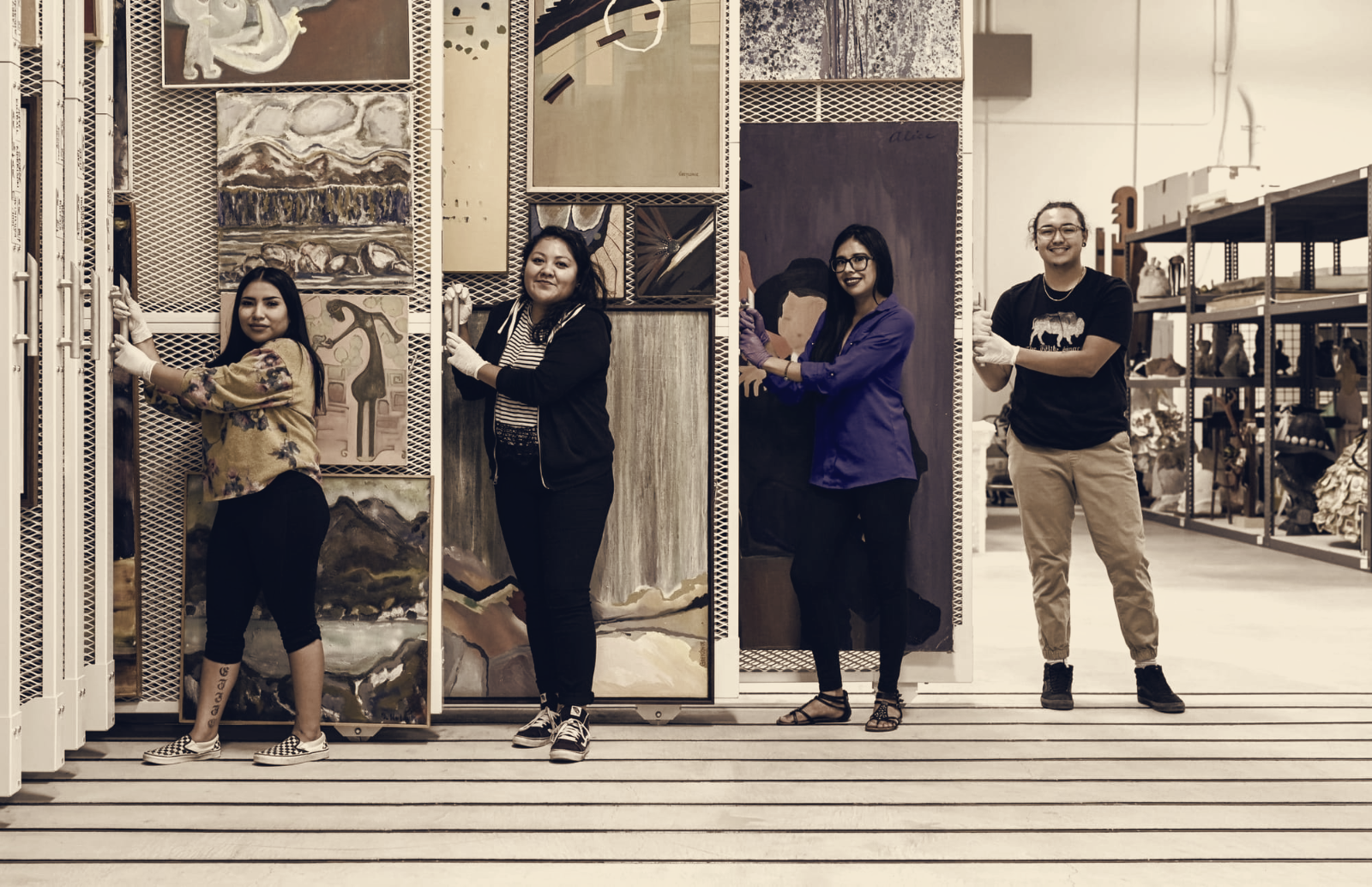
Contributors recount difficulties at every stage of stewardship, from deciding which records to keep, to finding funding for conservation, to locating partners able to manage collections over time. The report expands on the Foundation's Creative a Living Legacy program, known as CALL, which the organisation has run since 2007, using that institutional experience to map recurring failure points and the kinds of support practitioners say they need.
Personal testimony underscores the stakes. Mikiko Ino, president and director of the New York nonprofit KinoSaito and co-founder with the late painter Kikuo Saito, recalls her husband's maxim about memory and mortality: "Kikuo always said there are two deaths: the first is physical, and the second is when nobody talks about you," she tells the report, and adds, "I decided to never give him the second death." Her account highlights how heirs and small organisations shoulder preservation when public systems do not.
Creating Future Memory does not offer a single policy prescription. Instead, it aggregates lived experience and expert observation to show where systems break down and who bears the burden. The implicit next steps are clear: funders, arts organisations and policy makers must confront the documented gaps, invest in shared infrastructure and information-sharing, and prioritise support for artists outside dominant markets if the field wants a more inclusive cultural record.