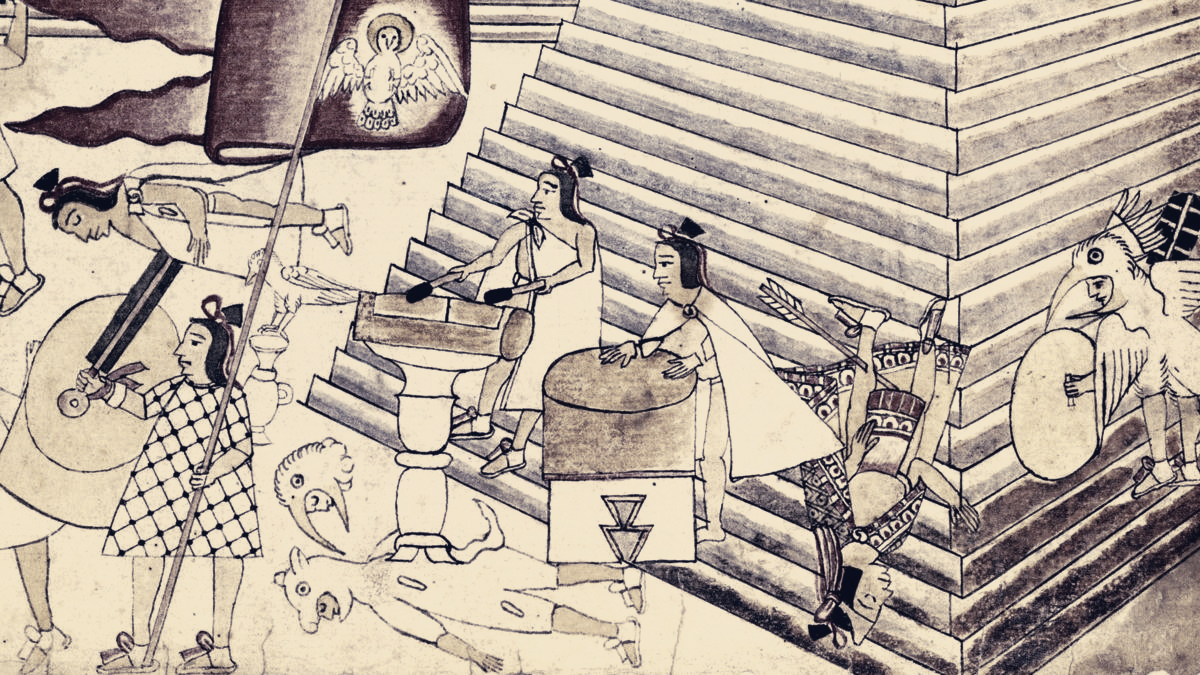
Mexican visitors will be able to see the Codex Azcatitlán in Mexico City for the first time in 186 years, after France agreed to lend the 16th-century manuscript. The loan brings a pictographic history of the Aztec civilisation back to Mexico for a temporary exhibition at the National Museum of Anthropology.
The codex, thought to have been drawn a few years after the Spanish arrival in what is now Mexico, chronicles key episodes of Aztec history, including scenes of the defence of Tenochtitlán and the arrival of the conquistador Hernán Cortés. France's Bibliothèque Nationale has held the manuscript since 1898, although it had already spent decades outside Mexico before that date.
The transfer is a reciprocal gesture tied to diplomatic milestones. France is lending the Codex Azcatitlán to mark 200 years of Franco-Mexican relations, and Mexico has agreed to send the Codex Boturini to France in return. The Boturini codex uses pictograms to recount the Mexica migration from their ancestral homeland to the shores of Lake Texcoco, where they founded Tenochtitlán.
Mexican President Claudia Sheinbaum and France's Emmanuel Macron agreed the temporary exchange during Macron's visit to Mexico last year. Mexican authorities present the move within a broader push to regain and exhibit objects taken from the country in earlier centuries. Mexico's ministry of foreign relations reported that more than 2,000 items were repatriated last year.
The Codex Azcatitlán will go on view at the National Museum of Anthropology from Thursday, offering scholars and the public direct access to a primary Aztec narrative long held overseas. The swap underscores how cultural diplomacy and negotiated loans remain central to how former colonies and European institutions manage contested heritage.