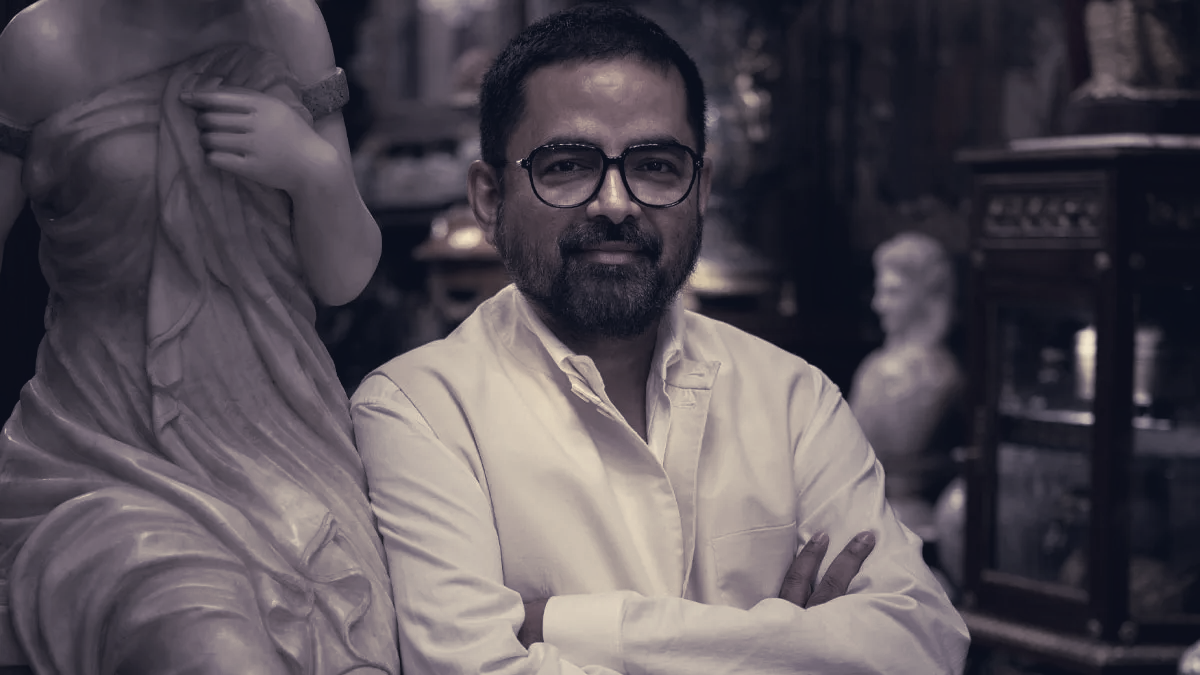
Sabyasachi Mukherjee is using his return to New York Fashion Week as a definitive test of scale, seeking to prove that two decades of domestic consolidation and corporate backing translate into international luxury status. His Spring/Summer 2027 collection, Bengal Byzantine Broadway, will open in Tribeca and serve as the immediate measure of that claim.
The Story in Pictures
The designer has not shown a city runway in New York since the mid-2000s. The house traces its runway origins to a 2002 debut at Lakmé Fashion Week in Mumbai and mounted an artisanal New York presentation called Snail in 2006, a slow-fashion project he still references as a formative lesson about first building authority at home. He framed the return as confident rather than inquisitive: "Today, I am no longer coming to New York asking what Sabyasachi should become. I am coming to show New York what Sabyasachi has become," Mukherjee said.
Corporate support has underpinned the brand’s expansion. In 2021 Aditya Birla Fashion and Retail Limited bought a 51% stake in Sabyasachi, valuing the business at approximately INR 800 ($107 million). The transaction included roughly INR 75 ($10 million) injected into operations to underwrite a US push, while the balance of the purchase went to Mukherjee as a shareholder. Reports state ABFRL paid around INR 400, around $54 million, for its stake.
Physical retail growth has followed. The house now operates six flagships across Mukherjee’s home city, Mumbai, Bengaluru, Hyderabad, Delhi, and New York. The Delhi store, about 2,415 square meters, opened in August and features 120 chandeliers and hundreds of artworks; the Mumbai emporium occupies roughly 2,000 square metres in a heritage building and was named among the World’s Most Beautiful Emporiums by the Prix Versailles in 2024.
Product diversification is central to the strategy. High jewellery, launched in 2017, now contributes roughly a third of revenues, and the brand has added handbags, eyewear and other categories with footwear and further lines planned. Financial filings put Sabyasachi’s revenues at INR 6.45 billion ($68.2 million) for fiscal 2026, placing the house ahead of peers by reported revenue.
Mukherjee frames his goal in cultural, not merely commercial, terms. "No, because my definition of ambition has become much larger. Size is one measurement. What interests me is whether we can build an Indian house with the category breadth, cultural authority, product quality, retail presence, and institutional strength to remain relevant for the next hundred years," he said. He also stressed the brand’s rooted perspective: "The point of view remains Calcutta. But the customer can be anywhere."
Tribeca’s audience will now decide whether Sabyasachi’s domestic strengths and ABFRL’s backing amount to a global luxury proposition, or whether the house’s Calcutta-rooted authority remains primarily an Indian achievement. The show is positioned as the brand’s proof point for moving from national success to sustained international relevance.