
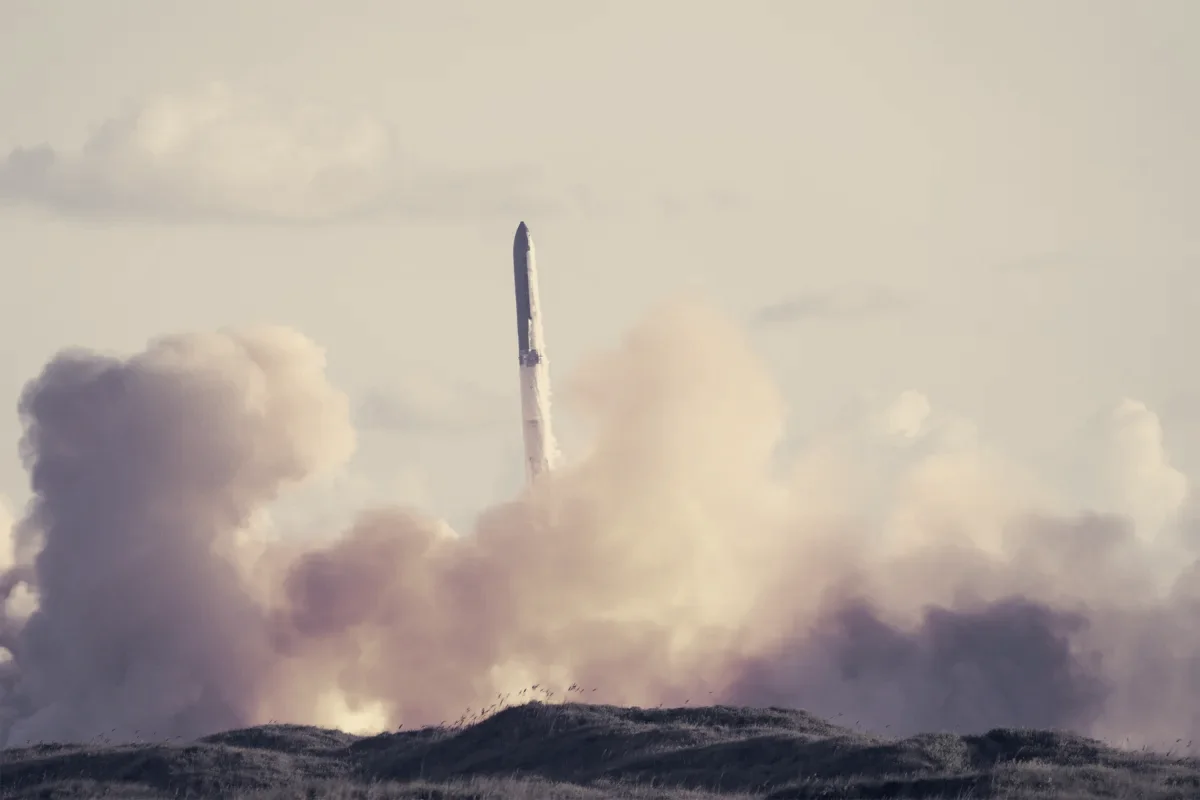
SpaceX stands to generate the first launch revenue from Starship if its upper stage reaches Earth orbit during a test flight scheduled for September 22. The company set a 75-minute launch window opening at 7:15 a.m. CT and plans to deploy 26 third-generation, V3 Starlink satellites as part of the mission.
This will be Starship’s 14th test flight and only the second since SpaceX completed the largest IPO in history in June. If the upper stage attains orbit, SpaceX’s launch division would record revenue from the flight, even though the payment originates with another unit inside the company.
SpaceX has repeatedly framed Starship as a replacement for Falcon 9 and Falcon Heavy, saying the older vehicles will be retired once Starship is flying "reliably several times per week," a cadence the company argues is needed to free up "scarce SpaceX engineering and production resources." Reaching orbit is the first step; SpaceX still needs repeatable return and rapid reuse to meet the launch frequency it promised during the IPO process.
The company will not attempt to catch the Starship upper stage with its launch tower on this mission, nor will it try to recover the Super Heavy booster. Elon Musk said earlier that attempting a tower catch now would risk an explosion that would be too big a setback. SpaceX acknowledged recent booster issues, including engine relight failures after stage separation on Flight 13, and said Tuesday it carried out another round of "several modifications" to the booster’s hardware and software to "address issues seen on the previous flight."
SpaceX had better luck with the Flight 13 upper stage, which did not reach orbit but completed a smooth descent through a simulated ocean landing and survived when it tipped into the water. The intact stage was captured and towed back to Texas, and the company said it made additional changes to Starship’s heat shield after studying the recovered vehicle.
The September test will only check whether Starship can place its upper stage into orbit and deploy satellites. Success would be a major milestone for a programme that has consumed billions of dollars and is central to SpaceX’s long-term plan to scale launches and transition away from its current rockets. The company will press ahead after the test with further development and recovery attempts based on flight outcomes.