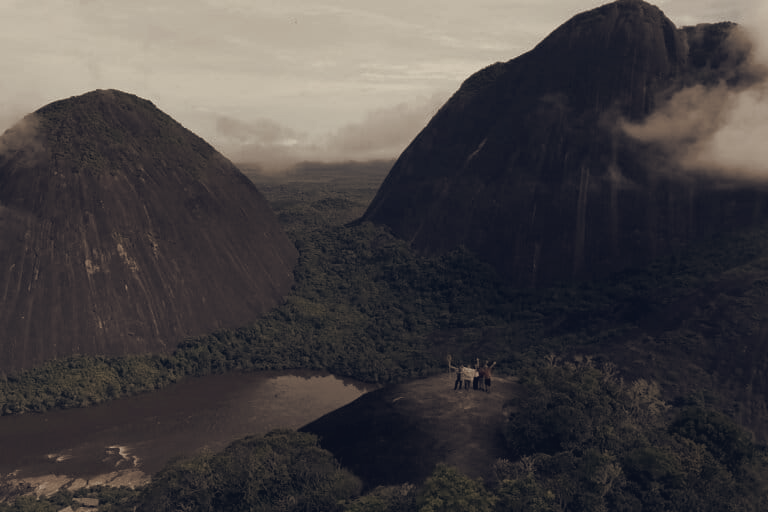
A patch of eastern Colombia that showed up as a footnote in insect surveys now ranks as an odonate hotspot, after field teams documented almost 120 species where only about 10 had been recorded before. That leap came from the Dragones Guainía project, which paired researchers with Indigenous residents to search puddles, streams and rivers across the department.
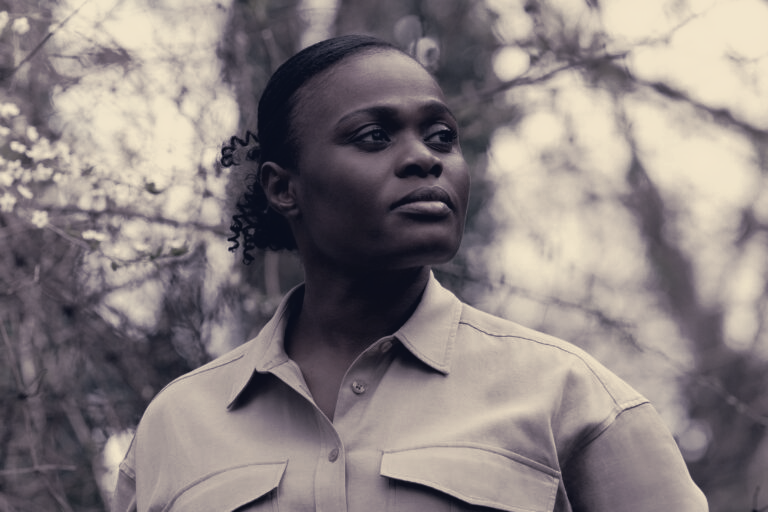
The work changed both scientific records and local vocabularies. Yiselle Cano, the project's biodiversity leader, said the effort revealed how sparse earlier knowledge was. “When we started, very little was known,” Cano said. “I think we must be close to 120 species by now.” Cano described the assemblage as broad, including species typical of the Orinoco and Amazonas, as well as dragonflies endemic to the Guiana Shield.
Survey teams combined traditional field collecting and observation with community workshops designed to share results. Organisers invited children, elders and others who hold ancestral ecological knowledge, including those who do not speak Spanish. As specimens were shown, participants proposed names in their own languages, filling a linguistic gap caused by scientific taxonomies that do not always match how people classify the landscape.
Those local names carry practical value. Dragonflies and damselflies depend on healthy freshwater habitats, and their presence or absence can indicate ecological change. With a far richer species list and active collaboration with knowledge holders, researchers and communities gain tools to monitor water quality and biodiversity trends in Guainía.
The timing matters. The region’s aquatic systems face mounting pressures from mining, deforestation, poorly managed waste and rapidly expanding tourism. The expanded inventory and the ties forged between scientists and Indigenous stewards create an early-warning capacity to detect shifts tied to those threats.
What happens next is continued cataloguing and sustained community engagement, linking specimen records to living knowledge. Project leaders plan to use the new inventory to track environmental threats across rivers and streams that sustain people and wildlife in the Guiana Shield portion of Colombia.