Global freshwater reserves fell sharply in 2025, the World Meteorological Organisation reports, tightening supplies in river systems across wide regions. The WMO’s analysis calculated terrestrial water storage, the combined freshwater in groundwater, lakes, soil moisture, snow, ice and plants, at 42% below normal for the year, and identified 2025 among the warmest years on record.
The Story in Pictures
The assessment merged observed weather records with outputs from 13 global hydrological models to reconstruct river flows, groundwater levels, evaporation and the condition of snow and ice. Only about a third of the world’s rivers remained within their normal flow range in 2025. Thirty-six percent of global river basin area recorded below or much-below-normal flows, while 21% saw above or much-above normal conditions. The WMO notes the past seven years produced the fewest rivers at normal flow since 1991.
Scientists link the pattern to climate-driven extremes and more erratic weather, with river systems swinging between drought and flood. The report highlights repeated low flows across major basins from 2021 to 2025, including parts of the Amazon and La Plata basins, North America, central and east Africa, central Asia and the Middle East. In 2025, below-normal to much-below-normal conditions affected large areas of North America, eastern Europe, the La Plata and São Francisco basins, and parts of the Middle East and central Asia.
Glaciers continued to shrink, losing 400 gigatons of ice in 2025 alone, a mass loss the WMO says contributed about 1.1mm to global mean sea level. The organisation framed the decline in land water stores as a long-term signal. “We are depleting that savings account. Global terrestrial water storage has shown a declining trend since 2014-16, a persistent, decade-long signal,” Celeste Saulo, WMO secretary general, said.
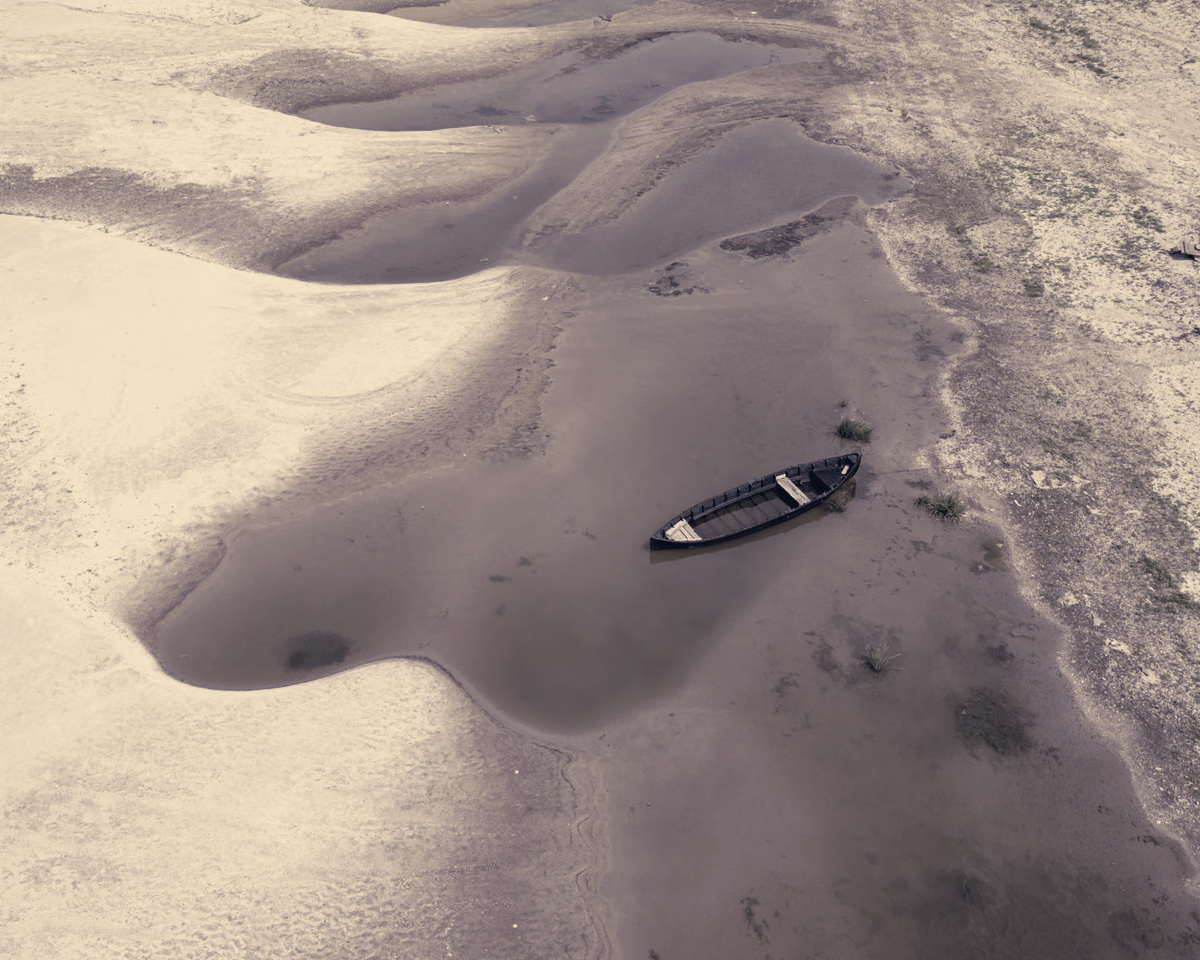
Local impacts are already visible. Exceptionally low Danube flows exposed riverbeds in places such as Rasova, Romania, and forced all but one nuclear reactor in Hungary and Romania to suspend operations because river water was insufficient for cooling, creating an unprecedented energy crisis. The report also flags pressure on the Mississippi, which supplies water to 50 US municipalities, from pollution, sea-level driven wetland loss and intermittent droughts. Major African rivers, including the Nile, Niger and Zambezi, were identified as facing threats from severe pollution and drought-driven lower levels, and England’s rivers were reported to have no river in good ecological and chemical health.
WMO officials urged better monitoring and more cooperation across borders to manage shrinking freshwater stores. “We need to redouble our efforts to improve our understanding of water resources globally. This requires increased data collection and sharing; that is how we increase understanding and protection for people’s lives and wellbeing,” Wayne Jenkinson, director of hydrology at the WMO, said. The organisation recommends expanded data collection and international information sharing as the immediate next step to track and manage ongoing strain on freshwater systems.