
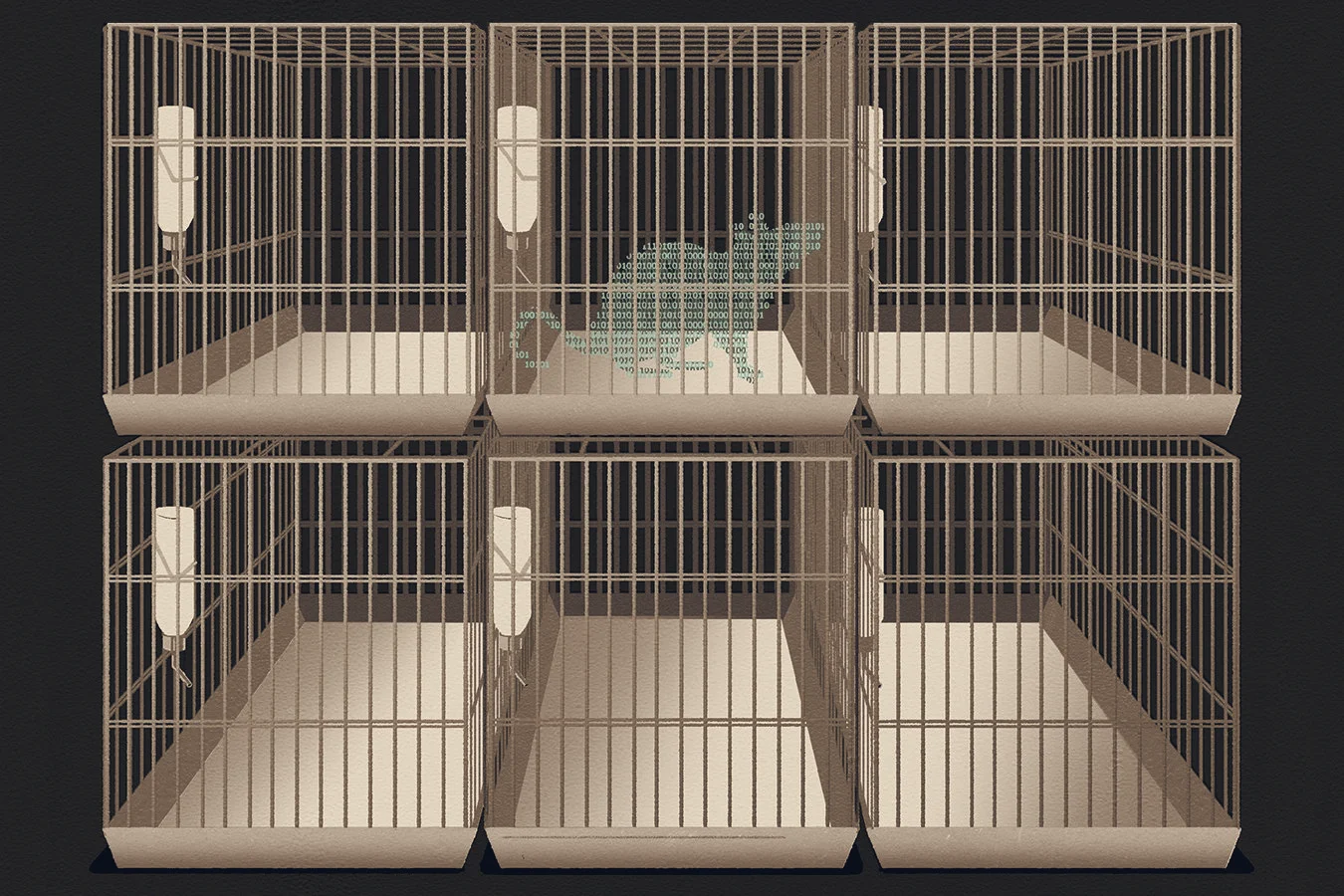
Researcher safety and public health are at risk as the US, the UK and the European Commission roll out road maps aimed at moving beyond animal testing. Those plans reflect real progress: several technological alternatives have matured, and in some cases these methods deliver clearer biological insight than the animal experiments they replace.
That progress is welcome, and reducing animal use where it can be done safely should be a policy priority. But the new documents and many headlines overstate how close society is to ending animal research. Some policy titles even speak of "phasing out" animal testing. That rhetoric flattens a complex reality: there will always be scientific questions and drug-safety checks for which no reliable non-animal substitute currently exists.
The stakes of overstating the case are not abstract. The late 20th and early 21st centuries saw extreme animal-rights activism escalate into violent harassment and intimidation of researchers. Property was set on fire and Molotov cocktails were used. National newspapers reported calls to murder people carrying out animal experiments. If policymakers send a signal that animal testing can be fully eliminated, they risk recasting the scientists who continue necessary work as willfully causing harm, a misunderstanding that could revive violent opposition.
Equally, abandoning certain animal tests too soon could create gaps in safety assessment and undermine public health. The correct path is twofold: accelerate development and deployment of validated alternatives, and at the same time restate and defend why specific types of animal research remain essential, both for fundamental biology and for ensuring drugs are safe before they reach people.
Policymakers should calibrate ambition to technical reality and communicate the limits of current alternatives honestly. The move to reduce animal testing is a scientific and ethical advance, but it must be pursued without rhetoric that risks misleading the public or exposing researchers to renewed hostility, and without compromising the safety checks society depends on.