
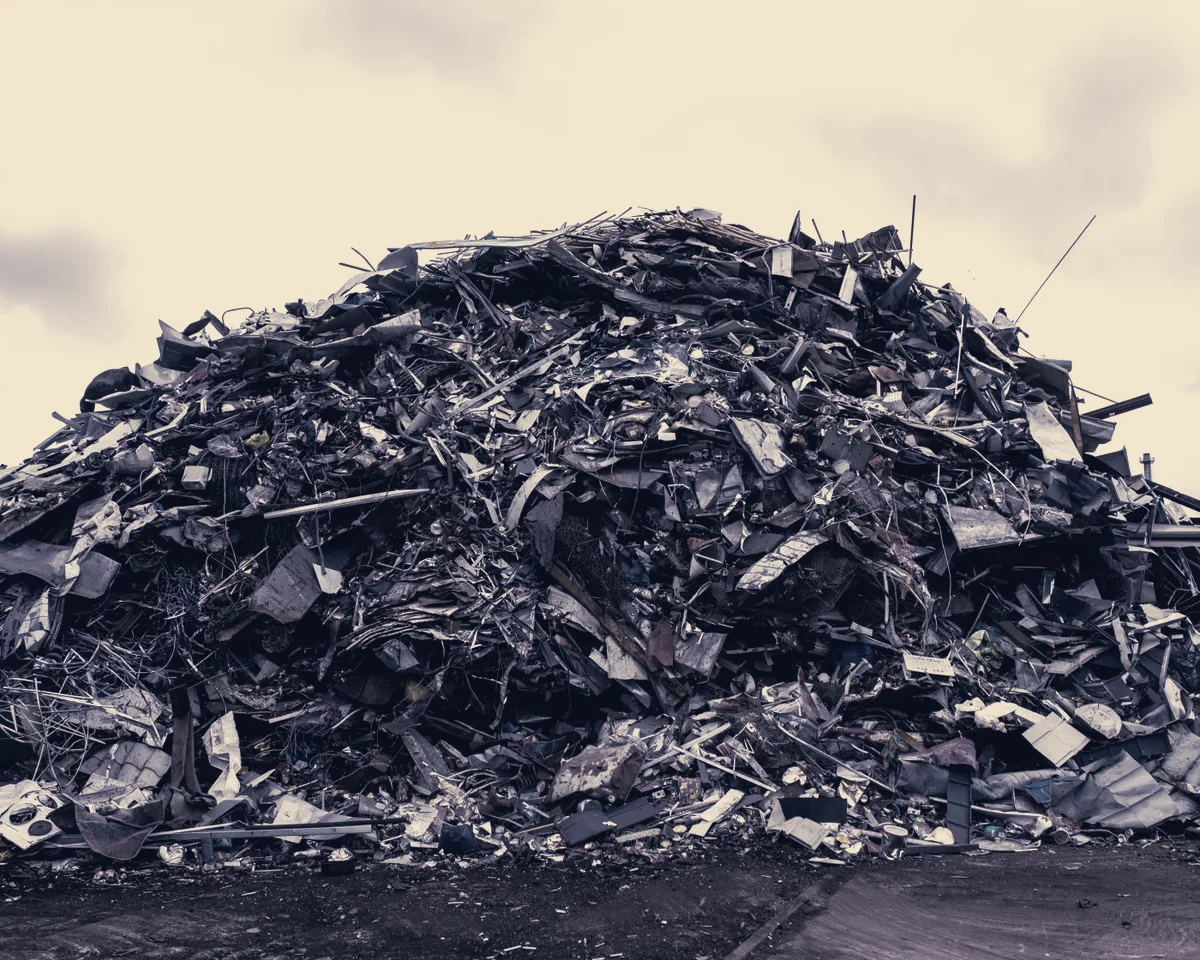
Global volumes of electronic waste could treble within 25 years if the current buildout of datacentres to support AI proceeds unchecked, the Basel Action Network says, creating hazardous volumes that recycling systems and regulators are not prepared to manage. The group projects AI-related equipment retirement could reach 13 million metric tonnes per year by 2030, and that discarded hardware would fill enough shipping containers to circle the planet six times.
BAN derived its projection by tallying the materials and equipment that sustain large datacentres. The organisation counted 4,871 new datacentres in the US construction pipeline and applied analysts’ forecasts of worldwide computing growth, including roughly 100 gigawatts of new capacity by 2030, to estimate the physical kit required. The report lists component weights used in the calculation, for example racks at 1,360 kgs, network switches up to 30 kgs, and hundreds of kilograms of copper cabling per rack.
That inventory multiplies into a waste problem because much of the kit is not designed for repair or reuse and may require full replacement every two to five years, BAN warns. The organisation frames this as both an environmental and a supply-chain issue: lost opportunities to recover hard-to-replace metals will come alongside growing streams of toxic hardware.
BAN co-founder Jim Puckett said, “Already electronic waste is the fastest-growing waste stream on the planet and only one-fifth is properly managed.” Independently, Vince Beiser added, “We’re doing a terrible job of handling e-waste in the US,” and warned that dumping and landfill disposal risks contaminating soil and water while forfeiting recoverable metals.
The report also highlights wider public-health and planning consequences tied to the scale of the buildout. A group of environmental and health experts has urged federal action, citing estimates that air pollution from datacentre electricity demand could cause hundreds of thousands of new asthma cases and as many as 1,300 premature deaths per year in the US. Policy and planning around the construction surge have already prompted bipartisan opposition over land use and energy consumption.
BAN contrasts the infrastructure spending backing the datacentre rush with other global priorities. Citing a 2025 McKinsey report, the white paper notes nearly $7tn in capital outlays will be required worldwide in the next five years to support AI’s planned rollout, a sum the paper equates with the cost of ending world hunger for 75 years if spent differently.
Summing the stakes, the authors write, “We all find ourselves unwitting participants in the AI horserace,” and call for deliberate policy and industrial changes to prevent a rapid escalation of hazardous waste and to preserve recoverable metals. The report warns that, as it stands, there is no comprehensive plan able to manage the scale of e-waste the authors forecast, leaving recyclers, regulators and communities exposed as the buildout continues.