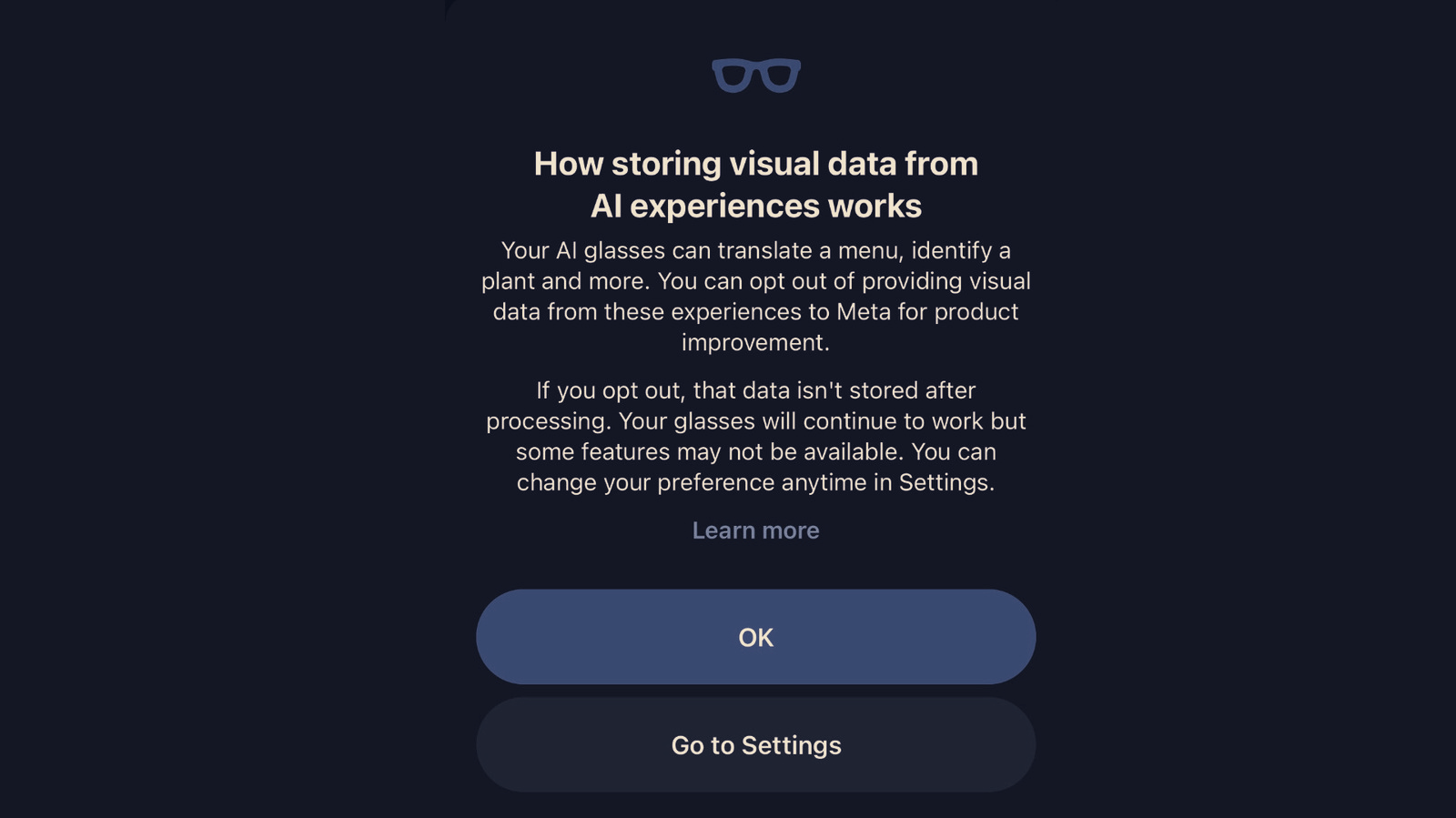
Owners of Meta’s smart glasses can stop their captured images and video from feeding the company’s model‑training processes by changing a review setting. That control determines whether human reviewers are permitted to access photos and videos taken by the device, and switching it off severs that specific reviewer pathway.
The distinction matters because when workers can review visual captures, those materials become visible to people inside the company. If the review permission is enabled, images and clips can be inspected by staff, and that access is the link between users’ raw visual data and the work that contributes to machine learning systems. When the permission is disabled, that human review path is closed.
The practical effect is straightforward: device owners who do not want their recorded visuals to be inspected by staff have a setting that removes that immediate point of human access. That reduces the channels through which collected media might be incorporated into label, audit or training tasks that require people to view content. The setting therefore functions as a privacy control that affects both who can see the media and how it can be used inside model development processes.
This configuration does not speak to other possible flows for sensor data or to how policy and systems beyond reviewer access operate. What is clear from the setting itself is who gains direct control: the person wearing the glasses. Users now have a tangible lever to decide whether their captures are exposed to internal reviewers, and that decision directly influences the visibility of their visual data to the teams that support machine learning work.
Owners of the device who want to limit human access should check and adjust the reviewer permission in their device controls. The choice to allow or deny reviewer access will determine whether captured photos and videos remain available for human inspection and the downstream processes that can follow from that inspection.