
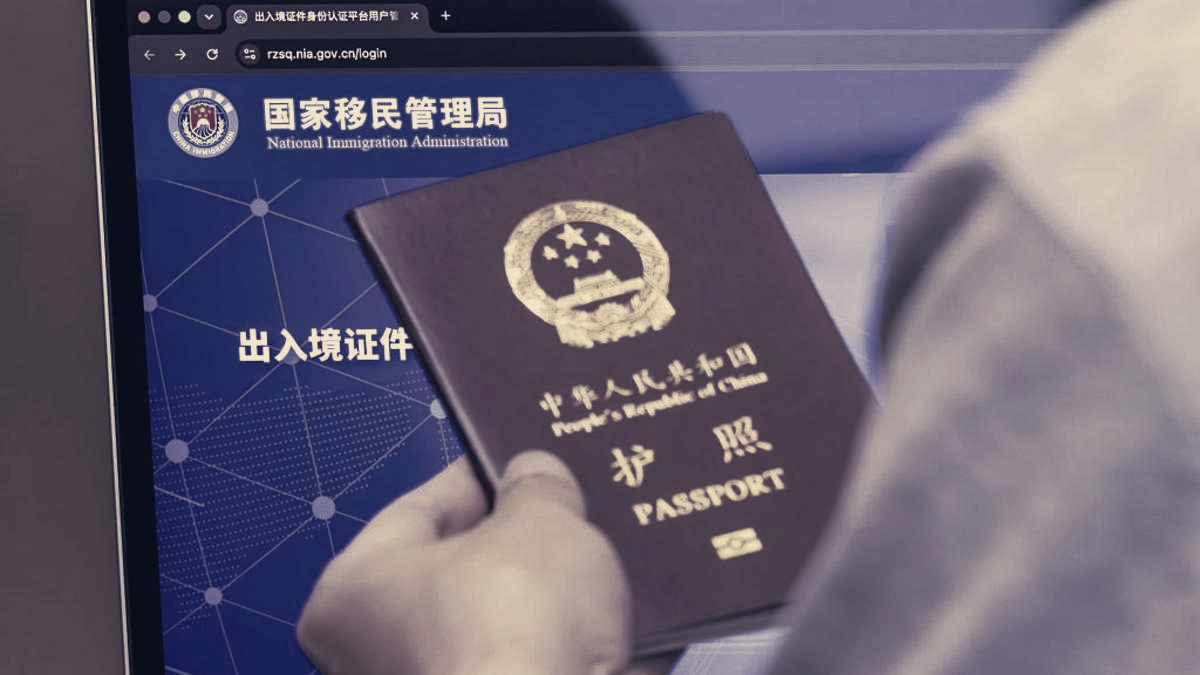
Chinese authorities can now stop citizens leaving the country for up to three years if their conduct abroad is judged to have harmed national security or state interests, a change that tightens official oversight at points of exit. The rules, which took effect on Tuesday, also allow travel restrictions for breaches of technology import and export controls and require border officers to issue warnings about countries and regions labelled "high-risk."
The government platform Piyao framed the measures as aimed at preventing people being lured abroad or becoming involved in illegal gambling and scams, and said they do not target ordinary citizens. Rights researchers and observers say the provisions nevertheless widen Beijing's ability to control nationals' movements and activities overseas.
Professor Tom Kellogg, Executive Director of the Center for Asian Law at Georgetown University, said, "This is another tool designed to control what Chinese citizens do and say overseas." He added, "In some cases, in order to prevent individuals from criticising the Chinese government overseas or to punish their rights advocacy activities, state security authorities directly refuse to issue passports." Those comments underline how the rules shift discretion toward state security and border agencies.
People who have already faced opaque travel limits describe administrative barriers and uncertainty. A man using the name Pipi said his 2023 passport application was rejected after he took part in the 2019 pro-democracy protests in Hong Kong and was later questioned by state security police. He said an immigration official told him he could not get a passport "because of the Hong Kong issue," though the decision was not provided in writing. Pipi added he feared challenging the refusal because it might lead to imprisonment, saying, "I'm just an ordinary person, right? I'm a young man, and I haven't done anything bad."
Workers at state organisations report internal controls on travel. A Beijing-based employee at a state-owned financial institution who used the pseudonym Xiao Wang said colleagues must hand in passports and obtain approval for overseas trips, and that managers verbally warn staff that "sensitive countries such as Japan are definitely off-limits." He said some civil servants, including museum staff, face practical obstacles to securing passports because of their roles.
Data from rights group Safeguard Defenders shows a sharp rise in recorded exit bans in public legal databases, from 89 mentions in 2016 to 188,760 by last year. The share of civil verdicts addressing exit bans rose from about 0.23% in 2019 to 7.3% in 2025, though researchers warn the true total may be higher because an increasing number of judgments are withheld. Under China’s Administrative Licensing Law, authorities should explain refusals in writing, but interviewees report that requirement is often ignored.
China’s foreign ministry and immigration authorities did not respond to requests for comment. For now, the immediate effect is tighter official oversight of outbound travel, with the potential to affect activists, professionals with international duties, and ordinary citizens whose past actions attract scrutiny. The regulation change formalises broader powers at exit points while leaving unresolved questions about transparency and legal recourse for those denied the right to leave.