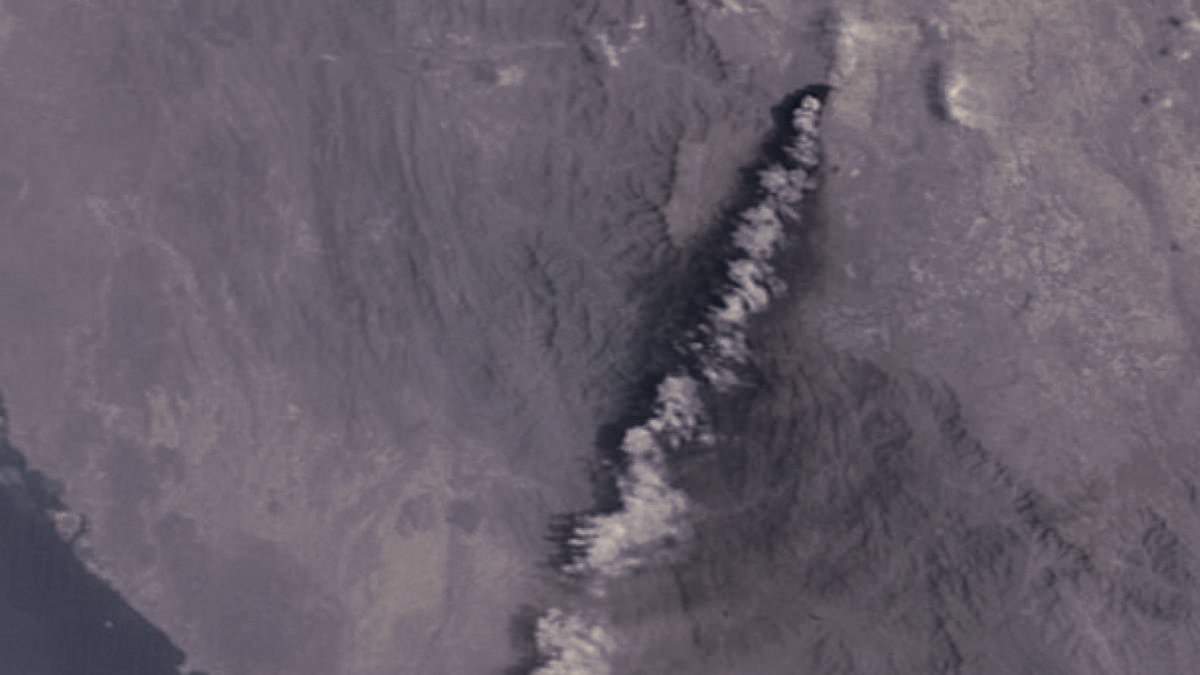

Millions of people in Indonesia and neighbouring countries are breathing hazardous air as widespread fires on Borneo and Sumatra send a thick, toxic haze across the region. The smoke has forced school closures, flooded emergency rooms with respiratory cases, and pushed air quality indices into the worst categories for days at a time.
The Story in Pictures
The blazes are frequently started by slash and burn clearing for oil palm plantations, a cheap but illegal method that can spiral out of control in hot, dry conditions. Authorities and scientists say peatland fires are the most dangerous element. NASA called tropical peatland fires an "apex predator" among blazes, because they burn underground, resurface elsewhere, and are extremely hard to extinguish.
Landscape ecologist David Gaveau, who runs Nusantara Atlas, said the problem is rooted in decades of forest degradation and peat drainage. "These fires are really the legacy of 50 years of forest degradation, deforestation, and particularly on peatland," he said. Nusantara Atlas data show at least 895,657 hectares have burned in Indonesia since January, 34% worse than 2019, and the country is already seeing a markedly worse season than recent years.
Health data underline the human cost. The number of wildfire-related respiratory illnesses in the worst-affected provinces rose to 113,336 by 9 September, up from 50,891 on 1 September. Fire Emissions Watch, part of the EU Copernicus programme, recorded 19.7 million metric tons of fire emissions from Indonesia during the first week of September, more than a third of the global total for that period. In Sampit, central Kalimantan, air quality reached 1,142 on 10 September, a reading far beyond the hazardous threshold.
Residents describe daily life under the haze. "The physical toll is visceral; eyes are left stinging and weeping daily," said Ely Marlina, a 46-year-old schoolteacher and volunteer firefighter. "While we sleep, the whole family is just breathing in the smoke." The smoke has not stayed inside Indonesia; monsoonal winds have carried haze across Malaysia, Singapore, Brunei, and the Philippines, prompting regional concern.
The Indonesian government has opened probes into 19 companies allegedly linked to the fires, and police have arrested 113 people on suspicion of ignition. Authorities have deployed planes, helicopters, drones, and military units to fight the blazes, and Malaysia has urged ASEAN to review the 2003 transboundary haze agreement. With this year's super El Niño likely to amplify dryness, officials face sustained pressure to contain fires, enforce land-use rules, and protect public health.