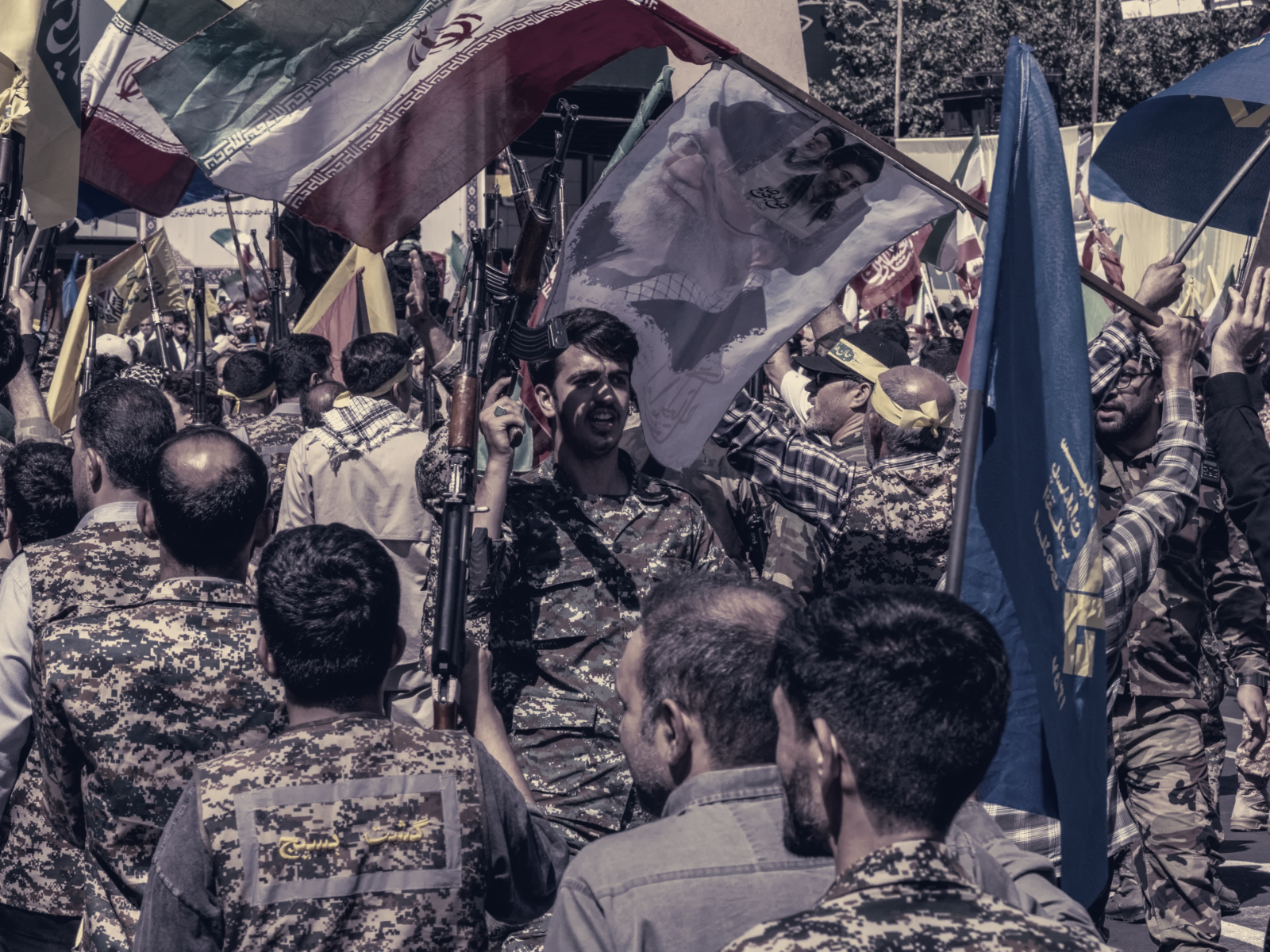
A fresh US campaign of strikes risks direct Iranian reprisals against American bases and regional interests, Iran’s central military coordination body warned on Sunday. The Khatam al-Anbiya Central Headquarters said it had received intelligence suggesting Washington is preparing to resume attacks on Iranian territory, and it warned that any new assault would prompt a response.
The military command added that governments allowing their territory or facilities to be used for US strikes would be "considered complicit" and could face Iranian measures. The statement raised the prospect of an escalation after months of lower-intensity exchanges between Tehran and US forces across the Middle East.
In Washington, President Donald Trump told Fox News he was in a "deciding mode" over Iran and listed further military action, economic pressure or a deal as the options under consideration. He also said he would be open to meeting Iranian President Masoud Pezeshkian on the sidelines of the United Nations General Assembly in New York this week.
Iran’s foreign minister, Abbas Araghchi, departed Tehran on Sunday for the UN gathering, with a planned stopover in Qatar, state media reported. At home, Parliament Speaker Mohammad Bagher Ghalibaf urged lawmakers to press military advantages before turning to diplomacy, reflecting a posture that mixes readiness for force with a willingness to negotiate.
Tehran has told mediators from Qatar and Pakistan it will only resume talks if fighting and US attacks stop, frozen Iranian funds are released, and a US naval blockade on Iranian ports is lifted. Ghalibaf said the Strait of Hormuz would remain closed until Washington met commitments under a previous agreement.
Qatar, which is mediating, said its envoys were shuttling between capitals and exchanging proposals. Majed al-Ansari, a Qatari foreign ministry spokesperson, said Doha had received assurances from US officials that Washington sought an agreement.
The confrontation is already affecting shipping through the Strait of Hormuz. Commercial tracking showed 12 commodity vessels crossed the waterway over the weekend, down from 35 the prior weekend, indicating a sharp short-term drop in traffic.
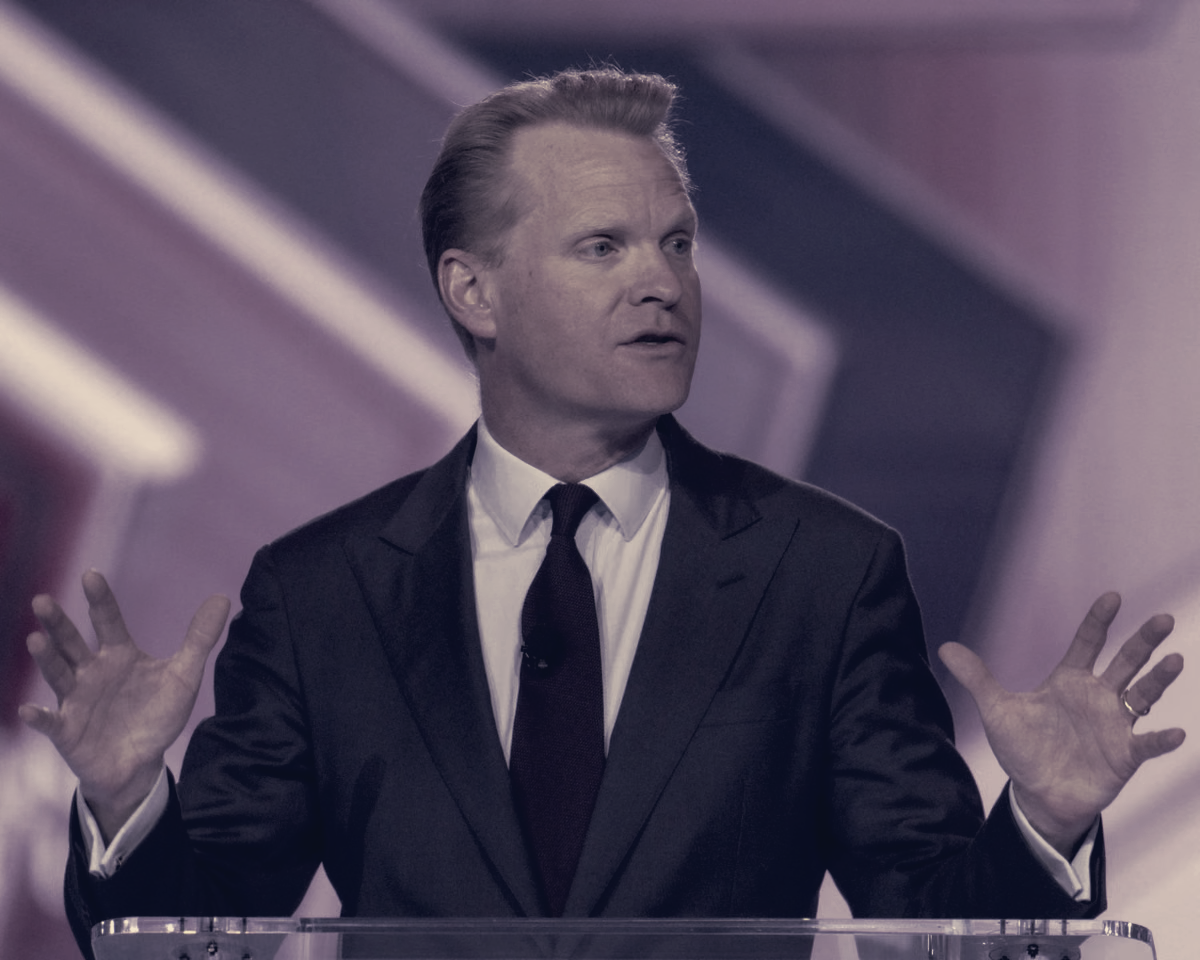
The hostilities trace back to late February, after joint US-Israeli strikes on Iran. A 60-day memorandum reached in June eased full-scale fighting but expired last month, and attacks around Hormuz have increased since then. Republican strategist and former White House national security official Mark Pfeifle said both sides remain "locked in this frozen conflict" and appear to be turning up pressure ahead of possible diplomacy at the UN.
The immediate test will be whether talks in New York, and any meetings at the UN, can convert that pressure into a renewed negotiation process, or instead trigger further military escalation.