North Korea declared its status as a nuclear-armed state irreversible and dismissed an International Atomic Energy Agency resolution this week, a stance that narrows diplomatic options for the United States and South Korea. State media relayed a Foreign Ministry statement saying the country’s standing as a nuclear power is backed by its deterrent and "cannot be undone," and called the IAEA vote ineffective against the Democratic People’s Republic of Korea.
Kim Yo Jong, the leader’s sister, amplified the rebuke with a sharply worded denunciation of the agency, accusing it of a "biased viewpoint and double standards" and calling that bias "the fundamental factor causing the collapse of the international nuclear non-proliferation system." She also said the IAEA ignored what she termed "blatant nuclear proliferation activities" by the United States and criticised Seoul’s plan to introduce nuclear-capable submarines, while pressing a resolution against Pyongyang’s "self-defensive and legitimate nuclear activities."
A Foreign Ministry spokesperson added, "Pitifully, the ‘resolution’ cooked up by the US and the West has no effect on the DPRK’s position as a nuclear weapons state." The comments came as IAEA delegates met at the agency’s general conference, where members debated and voted on measures critical of Pyongyang’s programme.
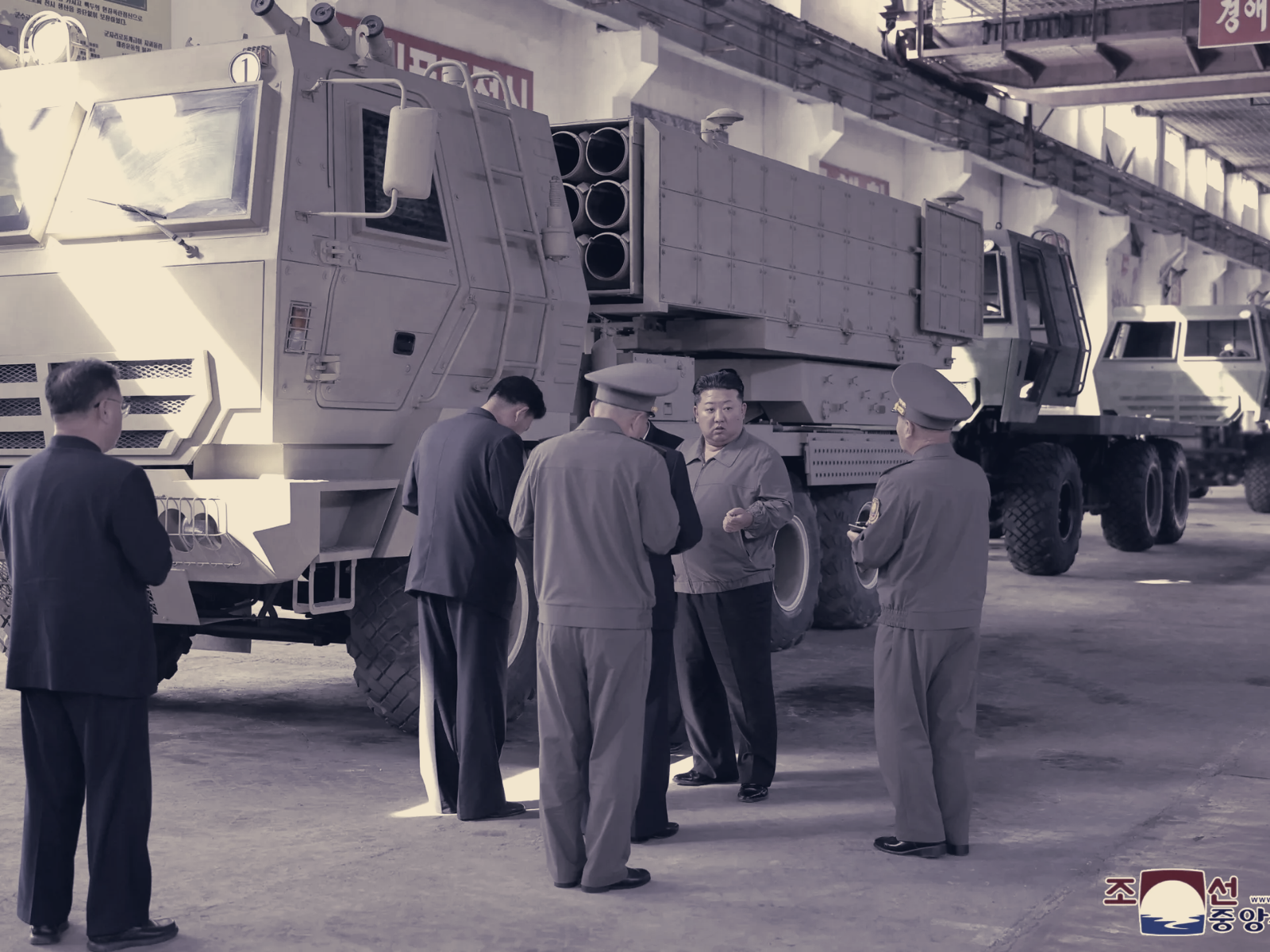
State outlets also reported leader Kim Jong Un inspected major munitions factories during a three-day tour this week and addressed a training session for propaganda workers, urging more innovative and assertive ideological work. Reported analysis in coverage noted North Korea has been modernising its armed forces with Russian assistance since the two countries signed a mutual defence treaty in 2024, and that combat experience from North Korean units deployed to Ukraine has aided those efforts.
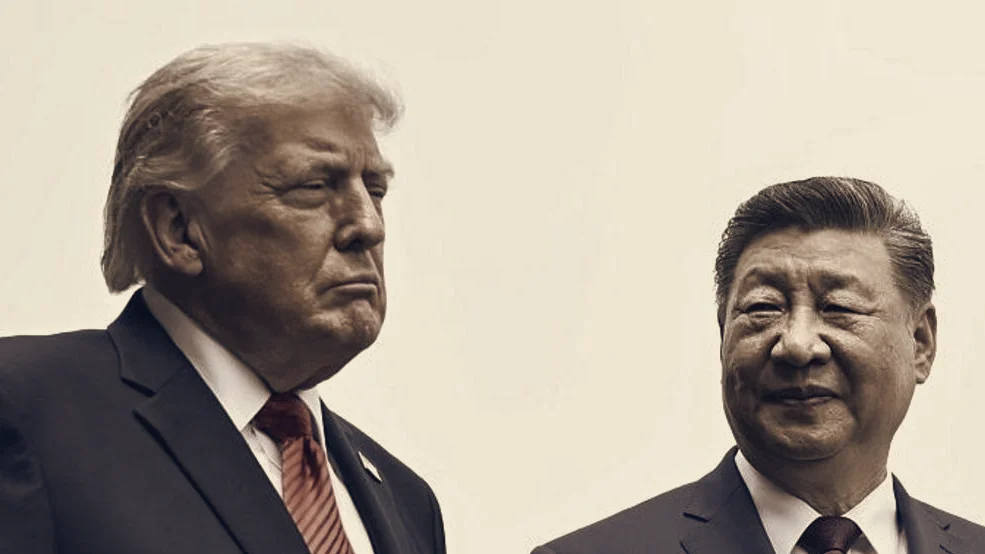
The public rebuke tightens the rhetorical gap between Pyongyang and the IAEA and its Western backers, even as Seoul and Washington signal continued interest in talks. South Korean President Lee Jae Myung said the US president wants dialogue with Pyongyang, and US President Donald Trump has said he plans to meet Kim Jong Un later this year, while also asserting Pyongyang now possesses 57 "very powerful" nuclear weapons. The exchange leaves the path for diplomatic engagement unsettled and highlights competing narratives over proliferation and security in Northeast Asia.