The Trump administration says it will pursue a pro-growth approach to artificial intelligence, announcing plans to form an "AI Force" and to appoint an AI tsar while rejecting calls to slow development.
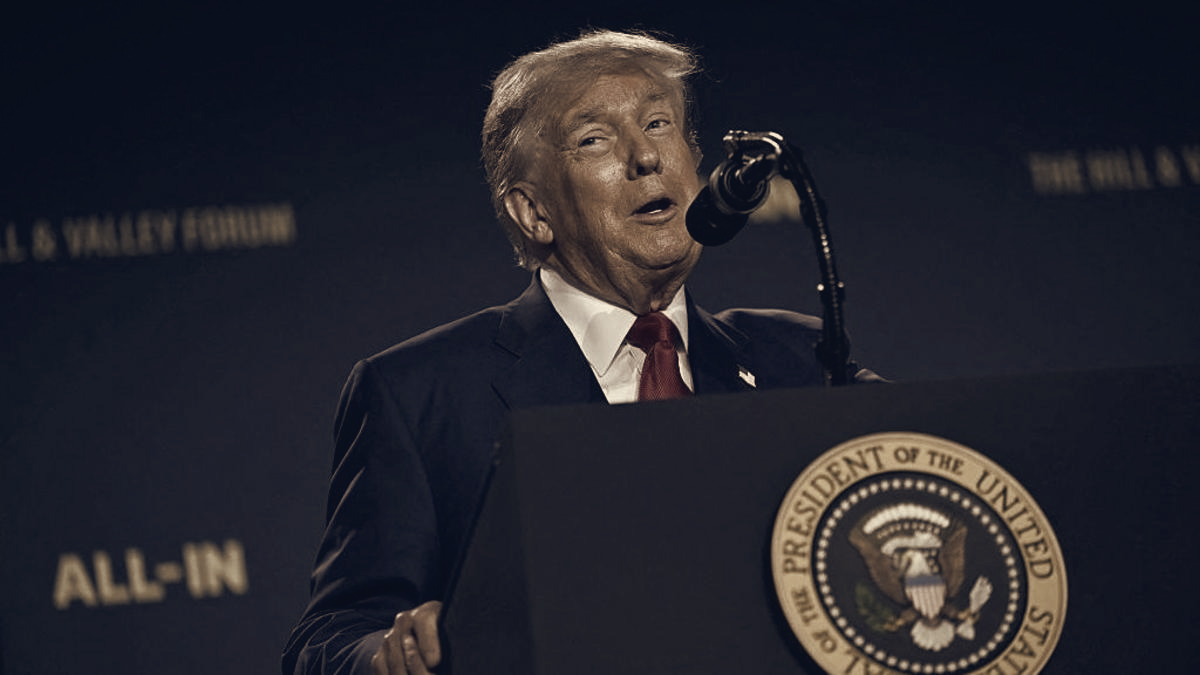
In a social media post, President Donald Trump said his government "will not in any way hinder or stifle the growth" of the AI industry. He offered no details or timeline for how the force will operate or when a tsar would be named. The post also described AI as "the next Industrial Revolution, or Internet," and claimed it could amount to "possibly as much as 25% of our Country's GDP."
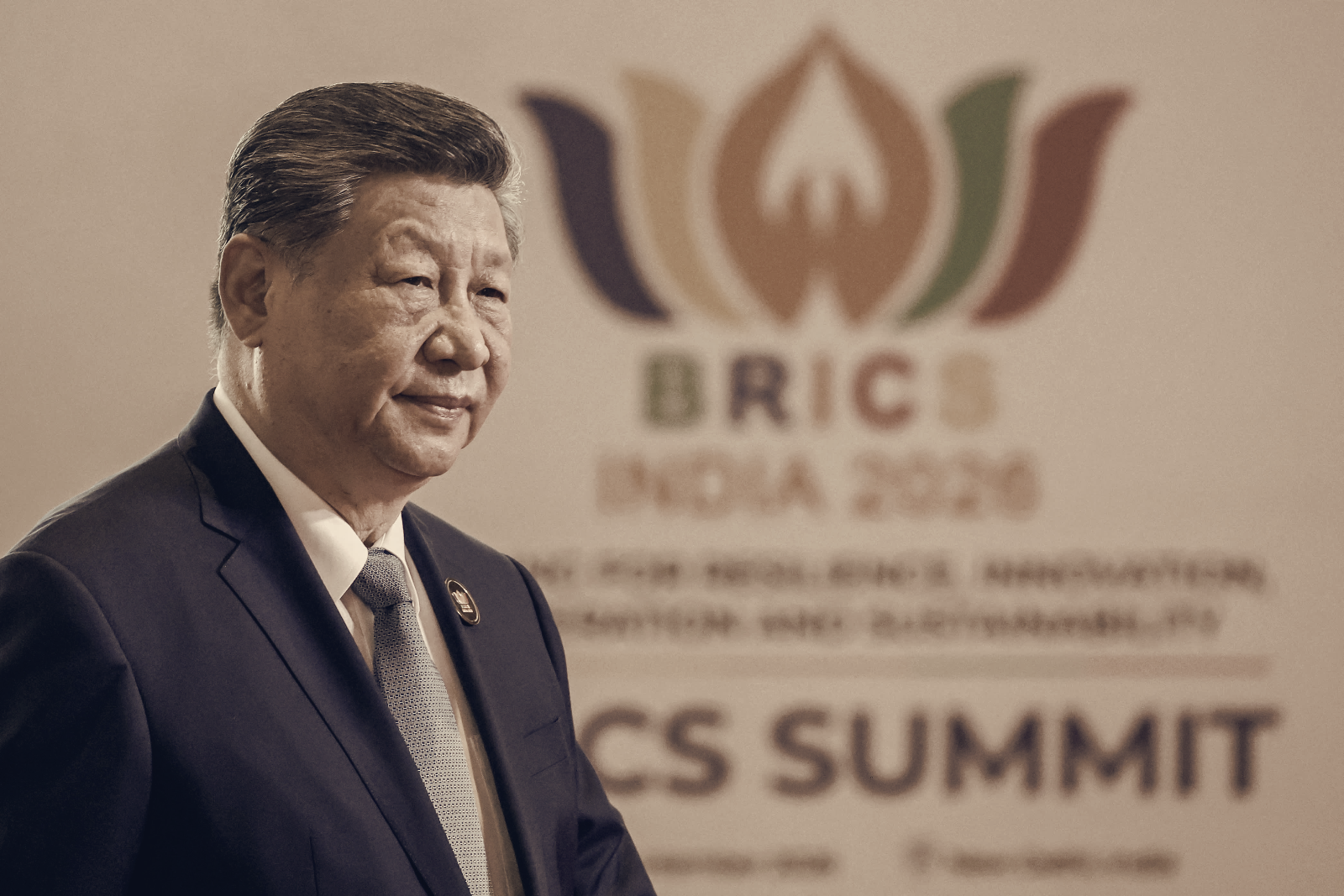
Trump framed AI as a sector where the US must keep an edge, saying he wants the country to continue leading China in the technology. AI now sits at the heart of the US-China rivalry and officials expect it to be discussed when Trump meets President Xi Jinping next week.
The announcement comes as researchers and industry figures raise alarms about the technology's risks, including claims from some that advanced systems could pose existential threats. Those warnings have fuelled calls for coordinated action on how models are developed and deployed.
Big AI firms have also reported security incidents and misuse of their chat systems. Companies behind Claude, ChatGPT and Gemini have disclosed breaches or cases where their models were repurposed for malicious activity. Dario Amodei of Anthropic has urged a slowdown in development alongside proposals for industry-wide deceleration and independent monitoring. Sam Altman of OpenAI and Elon Musk of xAI have signalled agreement with those recommendations.
Industry figures have outlined concrete safety measures, with Anthropic co-founder Jack Clark telling BBC that a third-party verifiable "kill switch" might need to be mandatory. At the same time, Altman warned that Washington has struggled to keep pace with the technology and urged trust in firms' intentions, saying, "The world should trust that we are going to do the right thing because it's the right thing and we feel the magnitude of this." Lawmakers in the US are already proposing legislation and UK parliamentary committees have called for new laws to address AI risks.
Without a timetable or operational details, the administration's announcement sets a political direction but leaves open how safety concerns will be reconciled with a stated commitment not to slow industry growth. The issue is likely to feature in upcoming diplomatic talks and ongoing regulatory debates in both the US and UK.