
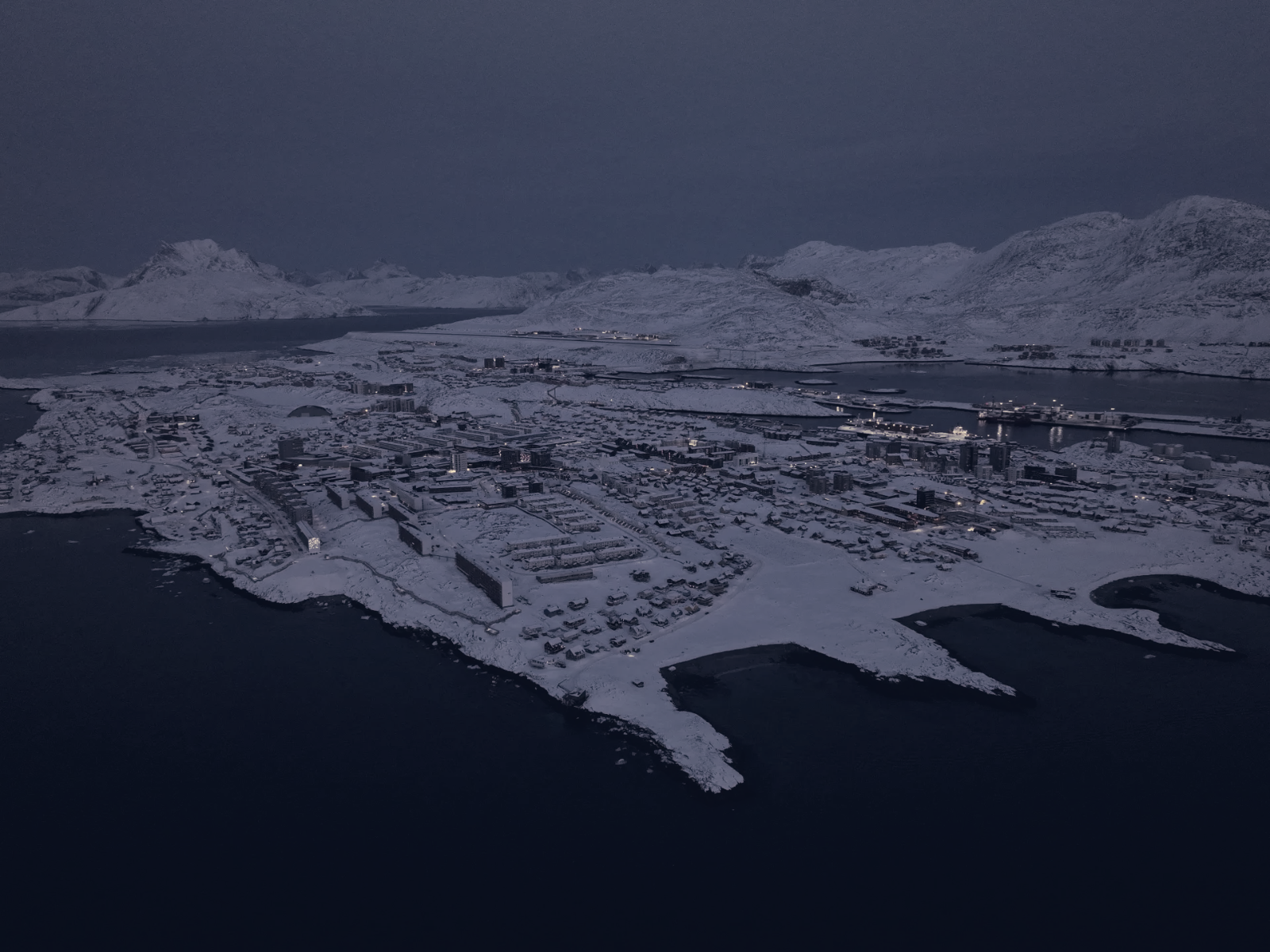
The new security arrangement appears to transfer formal control over foreign military access and sensitive investments in Greenland to the United States, a shift that gives President Donald Trump a clear political win even as negotiators say Greenland’s sovereignty protections remain in place. The full treaty text has not been published, but the emerging outline places decision rights over rival powers’ presence on the island with Washington rather than leaving them to an open, public dispute.
President Trump posted the deal’s broad terms on Truth Social, calling it an "'Infinite Life' Agreement, there is no end!" and asserting, "No U.S. adversary can EVER have a base in Greenland, have a military presence in Greenland, or make sensitive investments in Greenland without our express written approval." He also claimed, "There will be NO COST to the United States." Taken at face value, those statements suggest the pact may remove a fixed expiration tied to the 1951 defence framework and give the United States an explicit veto over foreign bases and sensitive investments.
On paper those changes strengthen Washington’s control. In practice the difference from earlier arrangements may be modest. The 1951 defence pact, amended in 2004 to include Greenland’s Home Rule Government, already granted the United States extensive military rights. During the Cold War the US operated 17 installations on the island and hosted more than 10,000 personnel. Today the American presence is largely limited to Pituffik Space Base, which hosts about 150 service members.
Denmark has previously intervened to block unwanted foreign involvement in Greenland, rejecting a 2016 Chinese bid to buy a decommissioned naval station at Kangilinnguit and preventing a Chinese construction firm from joining a major airport project in 2018. Those precedents support Copenhagen’s continued ability to curb foreign access in practice, a point cited by officials in the high-level working group as evidence that Greenlandic sovereignty is preserved under the new deal. Critics, however, characterise the strengthened paper rights for the United States as largely symbolic.
Beyond legal control, practical questions remain. The White House’s claim of no cost raises doubts about financing and fiscal responsibility, issues the public cannot assess until negotiators release the treaty text. For now the result is tentative relief in Nuuk and Copenhagen and a near-term political boost for the White House, with the strategic and fiscal implications to be clarified only when the agreement is published and implemented.