Removing or fitting a removable hard top could become less awkward for Hyundai buyers if the automaker adopts magnetic fasteners for the roof. The change, as described in reporting on the design, swaps conventional fastening work for a magnetic-assisted interface intended to simplify assembly.
The Story in Pictures
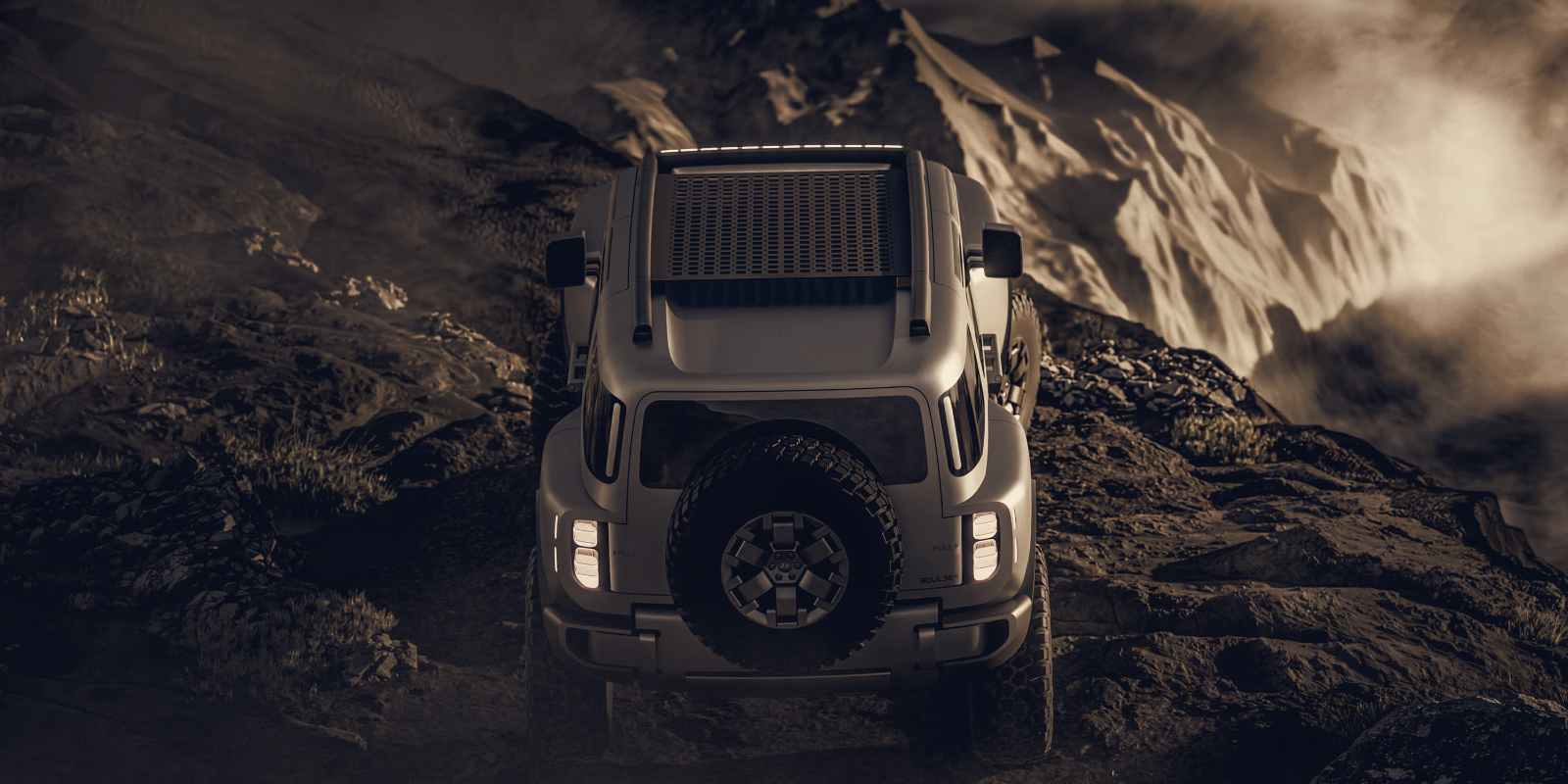
The proposal is notable because the improved top appears linked to a vehicle positioned against the Wrangler and Bronco. That placement transforms what might otherwise be a detail of convenience into a potential selling point for an off-road oriented model, where ease of removing a roof matters to buyers who value open-air driving.
Adopting magnets for a removable roof shifts the conversation from torque and clip locations to usability. If the design reaches production, owners who regularly take roof panels on and off would likely find the routine less fiddly. That could matter for purchase decisions within the niche of removable-top SUVs, where practical headaches over assembly have long been part of the ownership experience.
For Hyundai, the move would package a small engineering fix into marketable differentiation against established rivals. For competitors, the magnetic approach would present a new benchmark for removable-top convenience to match or counter. The broader design choice also raises straightforward questions for Hyundai's product planning: whether the company will carry the concept into a production vehicle, and whether that vehicle will indeed be the Korean entrant aimed at Wrangler and Bronco buyers.
What happens next will be visible in Hyundai's production announcements and the rollout of any new off-road model. Until then the idea stands as a compact example of how a modest design change can be framed as a strategic advantage in a crowded segment.