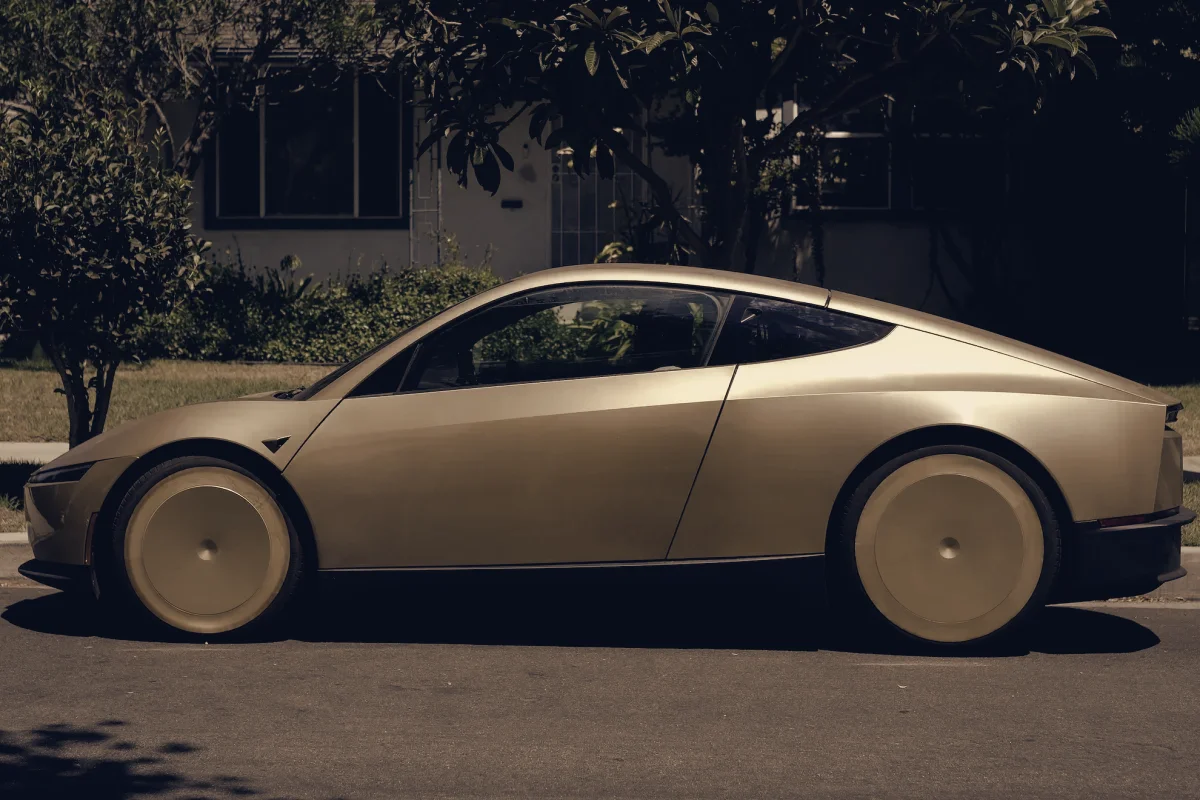

Tesla’s plan to run steeringless Cybercabs on public roads in Austin is at risk after federal regulators opened an investigation into the vehicles. The inquiry began hours after Tesla placed its first Cybercabs into service, and it directly challenges the company’s decision to self-certify cars that lack a steering wheel and pedals.
The launch in Austin was low-key compared with past Tesla events, and CEO Elon Musk did not attend. The muted public debut failed to move markets, and rivals and critics cast the moment as pivotal. Senior reporter Sean O’Kane framed the stakes bluntly, calling the Cybercab "Tesla’s fork in the road. This is either the moment the company begins to transform urban transportation as we know it, or the moment that reveals that, despite its many efforts, Tesla really is just an automaker after all."
Federal vehicle-safety regulations still require manual controls such as brake pedals, although the Department of Transportation has proposed lifting those mandates for true self-driving designs. Tesla chose the common industry path of self-certification, but NHTSA’s probe signals regulators are prepared to intervene when a vehicle design departs from long-standing assumptions about driver controls.
Tesla’s own public documentation adds operational detail, flagging that the Cybercab is not suitable for children and stating the company intends to market the vehicle to fleet operators. State records show 45 Cybercabs registered in Texas on the automated vehicle tracker, a modest fleet compared with competitors that already operate at scale with larger, sensor-diverse vehicles.
The investigation does not automatically stop Tesla from running Cybercabs, and the company may continue service while the inquiry proceeds. Still, the probe raises immediate questions about regulatory risk, public-safety oversight, and whether Tesla can move beyond demonstrations to a safely scaled robotaxi service. The coming weeks will determine if regulators pursue enforcement and whether Tesla can resolve safety concerns without ceding ground to competitors that have already established broader fleets.