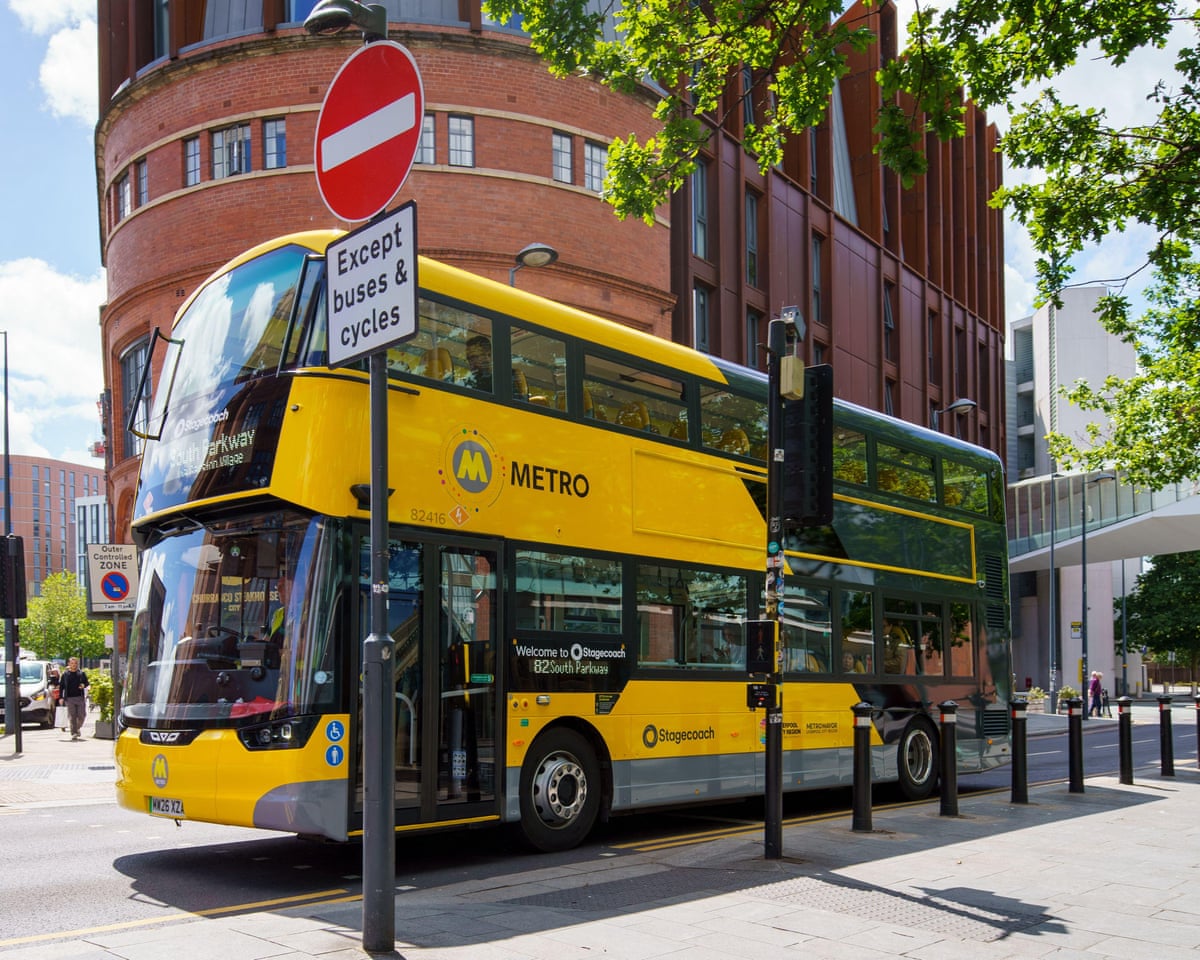

Passengers across the Liverpool city region stand to gain immediate improvements after the combined authority began returning bus services to public control, starting in St Helens. The change hands power over key decisions from private companies to the regional authority, which will now set routes, fares and service standards.
Under the new franchising arrangement, private firms will continue to operate buses, but the authority will decide where and when services run and hold operators to account for delivery. The administration has preserved a £2 cap on single fares and has already launched a direct express link from St Helens to Liverpool John Lennon airport, a practical benefit for holidaymakers and local workers alike.
The case for the shift is framed around social value as much as efficiency. Regional leaders argue that some routes matter for reasons beyond profit: they connect people to jobs, education and healthcare in ways commercial calculations can overlook. That argument underpins a wider transport agenda in the region, which includes the purchase of a £500m fleet of new trains and a plan to bring Merseyrail services into public ownership in 2028. A new ferry, the Royal Daffodil, built locally, is due to make its maiden voyage in the weeks ahead.
Campaigning for greater local control has been a feature of recent regional politics, and the move follows national shifts that give mayors and combined authorities more say over transport. Local leaders point to London’s long-running publicly managed bus network as a model for delivering higher frequency and more reliable services. In Liverpool, officials say the first practical outcomes of franchising will be more frequent buses, extended evening and weekend timetables, better links to hospitals and rail stations, and simpler fares for riders.
If the roll-out continues as planned, residents across the rest of the city region can expect the franchising model to expand beyond St Helens. The authority presents this as the most significant transport change in generations for the area, and says its objective is a public transport system that supports daily life, employment and independent living for vulnerable residents as well as convenience for commuters and visitors.