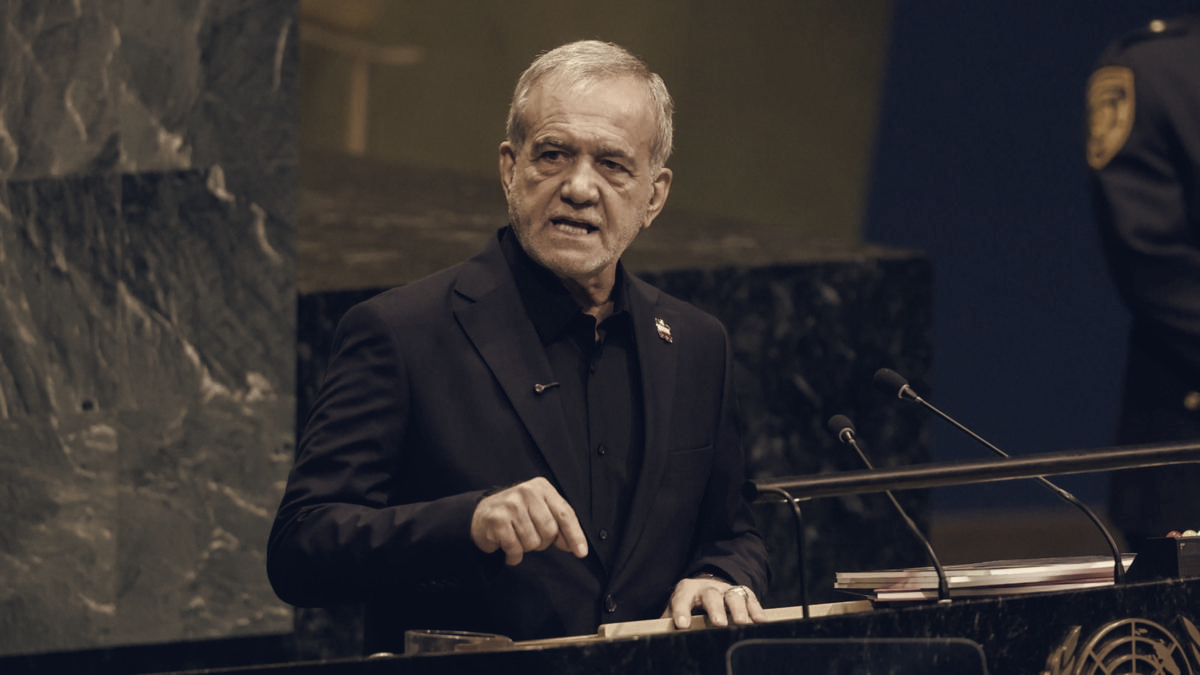
The immediate consequence is a tighter diplomatic squeeze between Tehran and Washington. Iran's president, Masoud Pezeshkian, used a United Nations speech to tell the US president that Iran will not "bend the knee", a public refusal that follows a US warning that it could "annihilate" Iran if a peace deal is not reached soon. Those two blunt formulations, delivered on the international stage, leave little room for quiet negotiation.
Addressing the UN moves the confrontation into global view, increasing the pressure on third parties and international institutions to respond or mediate. A defence expressed as categorical refusal on one side and an ultimatum framed as potential annihilation on the other harden positions and invite scrutiny from allies, neutral states and international organisations monitoring the situation. The tone and setting make it harder for negotiators to reset the conversation behind closed doors.
What follows is likely to be a contest over interpretation as much as substance. Iran's public stance signals to domestic and regional audiences that its leadership intends to resist demands it sees as coercive. The US president's stark warning, described as conditional on progress toward a peace accord, signals that Washington is positioning its threats as leverage tied to a specific outcome. Together, those moves shift bargaining leverage into the realm of global opinion and diplomatic signalling.
For now, the most immediate effect is reputational and diplomatic, not military. The exchange raises the stakes around any forthcoming talks by hardening public commitments on both sides. It also increases the importance of third-party mediators and UN members who may be called on to calm the rhetoric or to facilitate talks. How quickly that happens and whether either side changes posture will determine whether the standoff deepens or if a channel for negotiation can be reopened.