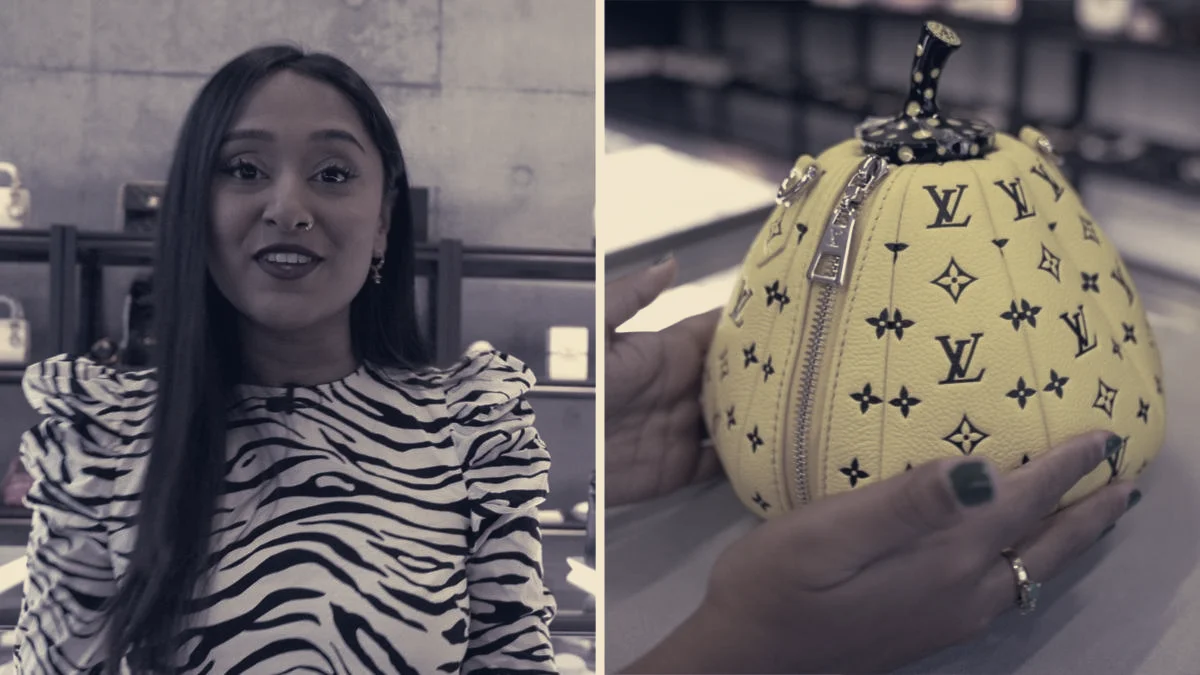
The items on offer include handbags, watches and jewellery that were confiscated during the probe that dominated headlines across the city state in 2023. Officials have stored the goods at Le Freeport, a heavily secured storage facility, underlining both the value and sensitivity of the stockpile.
A reporter was granted access inside the facility to view the inventory, which officials now plan to sell through public auction. The sales mark a visible next step in the long process of tracing, seizing and disposing of assets tied to complex financial crime investigations.
The auctions follow an investigation that authorities described as expansive, and they put seized luxury goods into a formal, market-driven process rather than indefinite forfeiture. Holding the items at a fortified facility before sale also aims to protect provenance and chain of custody ahead of legal and commercial transactions.
Making the inventory public through auction can narrow the gap between seizure and recovery of value, but it also exposes high-end goods to public scrutiny and market forces that will determine their final worth. For observers of money-laundering enforcement, the sales provide a tangible outcome from a case that centred on large-scale illicit finance.
What happens next is the auctions themselves; organisers and law enforcement will oversee the sales and the transfer of goods to winning bidders. The process closes an enforcement chapter begun in 2023 by converting visible, seized items into proceeds that may be returned to the public purse or handled according to legal rulings.