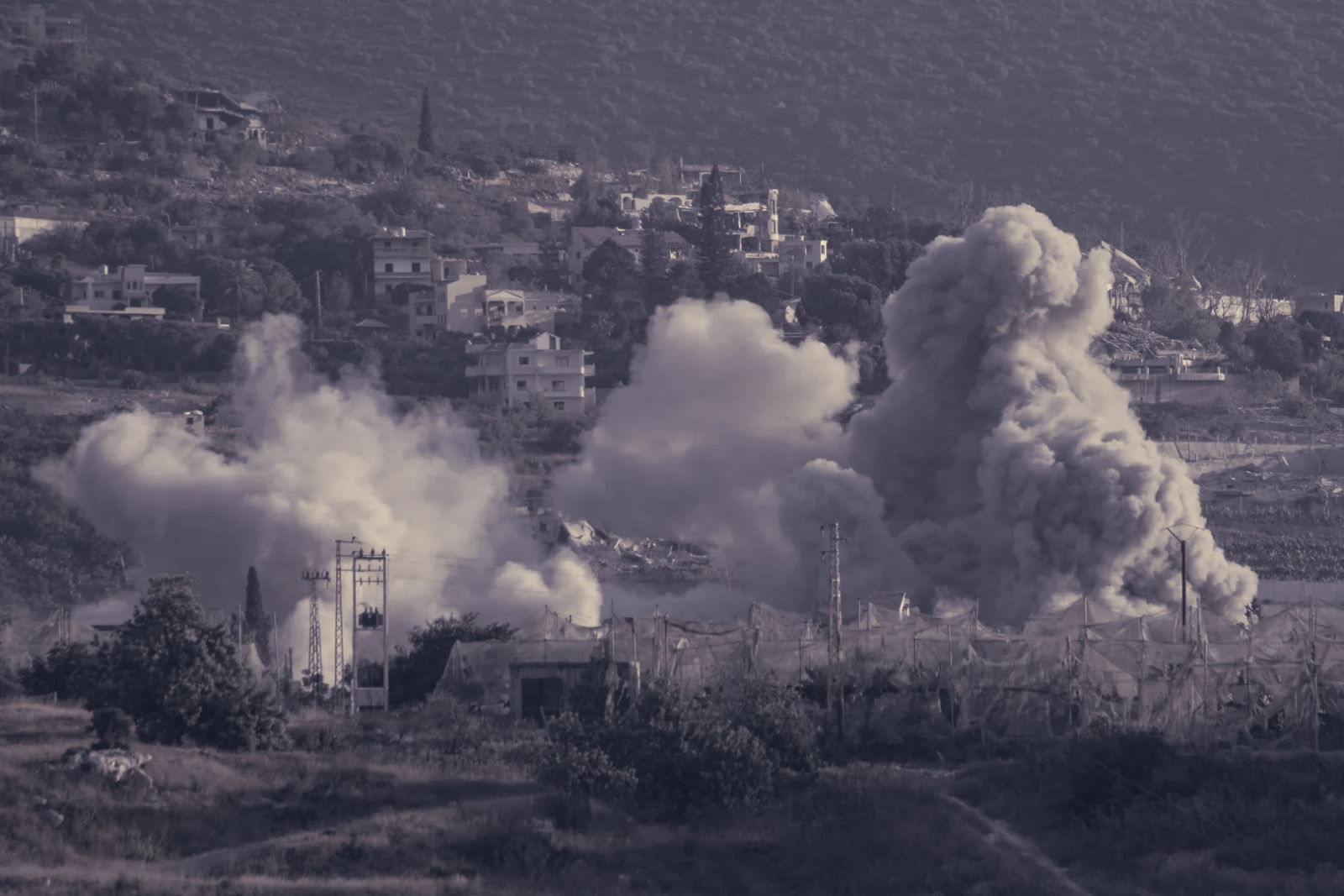
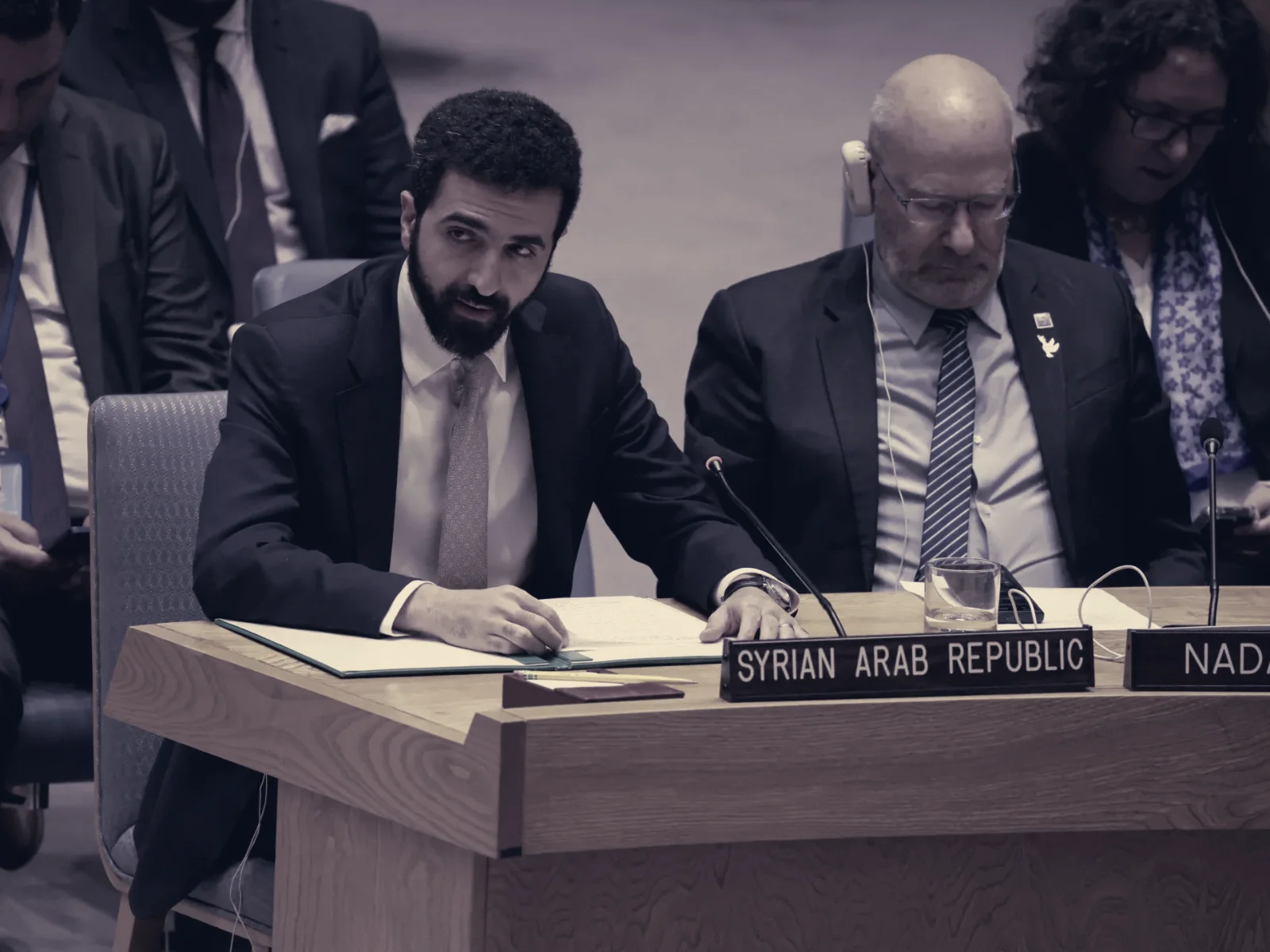
Ibrahim Olabi, Syria's permanent representative, said he had wanted the meeting to focus on domestic progress but felt compelled to reply to what he called repeated Israeli violations. He accused Israel of entering villages, displacing civilians and striking facilities, and he warned the council those moves endangered more than Syria alone.
Olabi invoked an emergency declaration issued outside the council by 44 nations, which called Israel's September 9 visit to Jabal al‑Sheikh unlawful and a blatant violation of international law, using the statement to press for scrutiny of Israeli operations.
Israel's ambassador to the UN, Danny Danon, rejected the characterisation of his country's role and shifted attention towards Turkiye. Danon warned that Ankara planned to expand its military footprint and effectively seize control of Syrian territory, and he asked whether a foreign power with a larger presence should be viewed as a greater threat than Israel's buffer. He gave figures, saying Turkiye has 20,000 troops and over 100 bases in Syria and controls 5 percent of its territory, and he accused Ankara of now following the Iranian proxy playbook.
Turkey's ambassador, Ahmet Yildiz, pushed back, saying Turkish forces operate at Damascus' invitation and rejecting Israel's attempt to smear Turkiye's role. "We categorically reject Israel's attempts to smear Turkiye's legitimate cooperation with Syria and portray it as a threat in an effort to justify its own violations of international law," he told the council, and he called on Israel to de‑escalate and withdraw its forces while accusing it of reckless attacks and incursions.
The session closed with Syria's representative urging the council to stop treating Syrian meetings as venues for proxy disputes. "Syria's meetings should not be talking about proxy issues any more. That was the case during the regime era. It should no longer be the case. It's frankly traumatising," he said.
The exchanges underscored sharp divisions among council members over foreign military presences in Syria and set a tense backdrop for forthcoming discussions on the country's transition.